
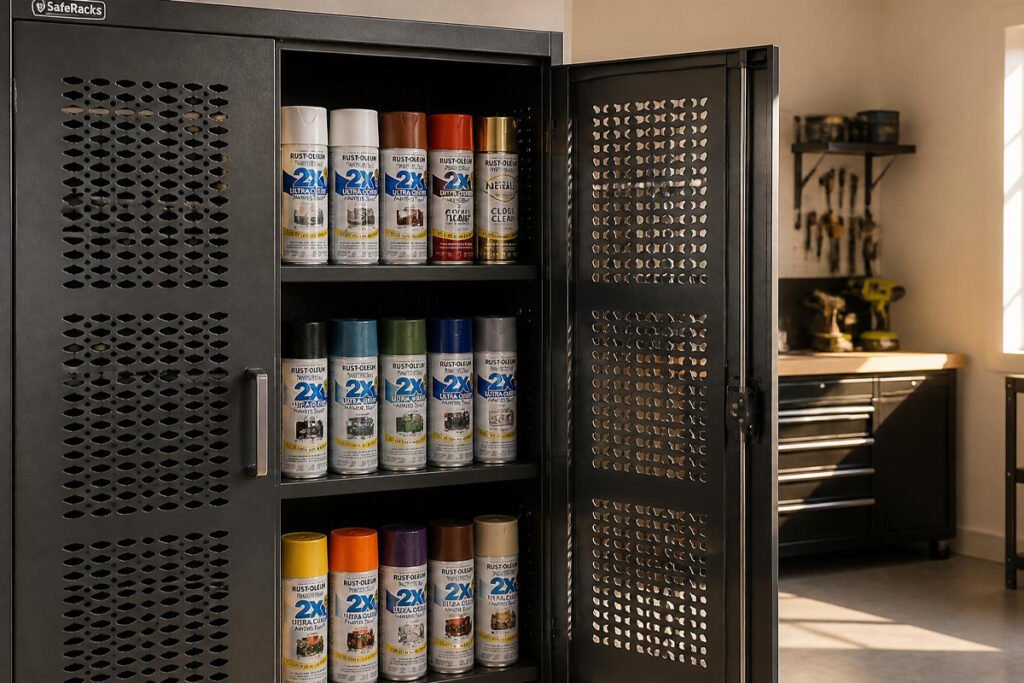
A half-used can of spray paint rolling around on a garage shelf feels harmless — until it sits next to a water heater through a July heatwave, or ends up crushed in a curbside trash bin where it isn’t legally allowed to go. Spray paint cans are pressurized, contain flammable propellants, and in most US states are classified the same way as other household hazardous waste. That means the rules for storing and throwing them away are stricter than most people realize, and the consequences for getting it wrong range from a kitchen fire to a fine from your local waste authority.
Most of the risk comes from two common habits: tossing a can in the regular trash the moment it feels light, and storing open or partially used cans somewhere hot, like a garage wall that gets direct summer sun. Both mistakes are covered in our guide to common spray paint mistakes, but storage and disposal deserve a dedicated, step-by-step breakdown — which is exactly what this guide covers.
By the end of this article you’ll know exactly how to store spray paint safely between projects, how to tell when a can is truly empty, and where partially full cans legally need to go. If you haven’t already read our complete spray paint safety guide, it’s a good companion piece covering fumes and VOC exposure while you’re actively painting.
Quick Answer
Store spray paint cans upright in a cool, dry, ventilated cabinet or bin, away from heat sources, direct sunlight, and anything that sparks or flames — most cans are safe between 50°F and 80°F. A can is only safe for regular trash once it’s been sprayed until it makes no sound and releases no mist (the “rattle test”); regulations vary, so check local rules first. Any can with paint still inside counts as household hazardous waste and must go to a certified HHW drop-off or paint take-back program — never in curbside trash, a storm drain, or an incinerator. Rags and applicators soaked in spray paint or solvent need their own disposal protocol because they can spontaneously combust if bunched up while still wet.
Table of Contents
- How Spray Paint Storage & Disposal Rules Work
- How to Choose the Right Storage & Disposal Method
- Best Storage & Disposal Practices
- Comparison Table
- Storage & Disposal for Different Situations
- How to Store and Dispose of Spray Paint Correctly (Step-by-Step)
- Common Mistakes
- Expert Tips
- Final Thoughts
- Frequently Asked Questions
How Spray Paint Storage & Disposal Works
Spray paint cans are pressurized aerosols: a liquid pigment/resin mixture sits above a compressed propellant gas, usually propane, butane, or a similar hydrocarbon blend. That propellant is what makes the can dangerous to store carelessly — it’s flammable, it expands when heated, and a can left somewhere hot enough can rupture or ignite. This is also why spray paint storage and disposal is treated differently from a can of wall paint: the container itself is the hazard, not just the contents.
In most US jurisdictions, any aerosol can that still contains product residue is legally classified as household hazardous waste (HHW), the same category as motor oil, pesticides, and old batteries. Fully discharged, completely empty cans are usually exempt and can go in regular recycling or trash — but “empty” has a specific legal meaning (covered in the step-by-step section below), not just “feels light.” For a broader look at exposure risks while painting, see our spray painting safety overview.
How to Choose the Right Storage & Disposal Method
Before deciding how to handle a can, ask yourself three quick questions:
- Is the can completely empty, or is there still visible paint or audible liquid inside it?
- Does your city or county run a household hazardous waste drop-off day, permanent HHW facility, or paint take-back program (many hardware stores also participate)?
- Are you storing this can for a few weeks until the next project, or for several months in a garage that swings from freezing to over 90°F?
For state-specific hazardous waste rules, the U.S. Environmental Protection Agency’s household hazardous waste page is the most reliable starting point — it links out to state and local program finders, which is where the actual legal requirements live.
Best Storage & Disposal Practices
1. Ventilated Storage Cabinet Setup
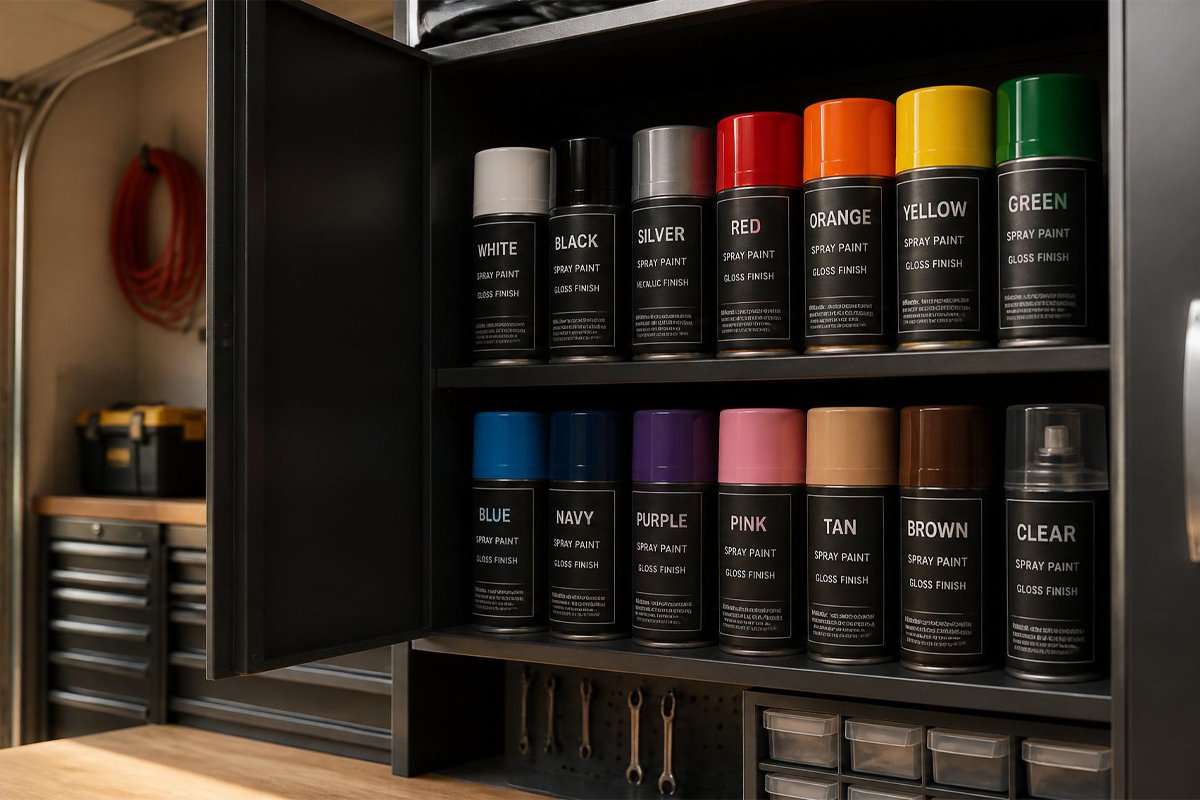
A dedicated metal or heavy-duty plastic cabinet, kept out of direct sunlight and away from any heat source, is the single best upgrade for anyone who keeps more than a couple of cans on hand between projects.
Key Features:
- Metal cabinets contain a rupture better than cardboard or open shelving
- Keep the cabinet in a spot that stays roughly 50–80°F year-round
- Store cans upright, not on their side, to reduce nozzle clogging and leak risk
- Add a physical distance of at least 3 feet from any water heater, furnace, or outlet
Best For: Garages, workshops, and anyone storing 5+ cans at a time.
Pros: ✅ Contains leaks and reduces fire spread ✅ Extends usable shelf life of paint ✅ Keeps cans organized by color/project
Cons: ❌ Upfront cost for a proper cabinet ❌ Takes up dedicated floor or wall space
Our Verdict: If you’re a repeat DIYer working through projects like the ones in our bike frame respray guide or car rims guide, a $30–$80 cabinet pays for itself the first time it prevents a leak onto a concrete floor or a heat-related swell.
2. The Full-Discharge (“Rattle Test”) Method
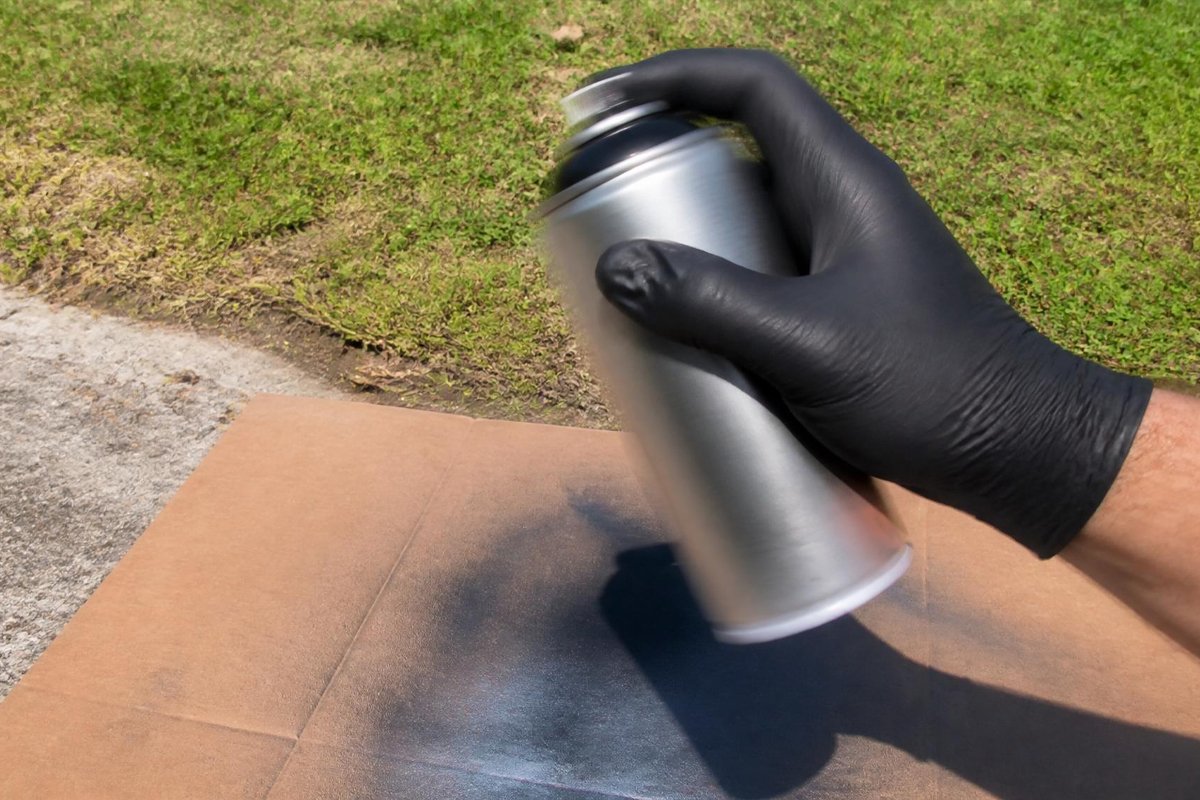
This is how you legally convert a can from hazardous waste into ordinary trash: spray it, outdoors or in a well-ventilated space, until the nozzle produces no more mist and shaking the can produces no liquid sound.
Key Features:
- Point the nozzle into a disposable surface like cardboard, not open air, to avoid overspray
- Shake and test again after the spray stops — trapped paint can still be inside the dip tube
- Wear a respirator rated for organic vapors while doing this outdoors
- Puncturing a can yourself is not recommended or required in most areas — full discharge is the standard method
Best For: Anyone with a can they know is nearly finished and want to dispose of at the next regular trash pickup.
Pros: ✅ Free ✅ Converts hazardous waste into legal household trash in most areas
Cons: ❌ Wastes any remaining usable paint ❌ Still produces fumes, so ventilation matters
Our Verdict: If you’re already dealing with overspray or drips, pair this with our guide on how to remove spray paint from skin, clothes, and concrete since a full discharge outdoors often means some cleanup afterward.
3. Household Hazardous Waste (HHW) Drop-off
Any can with paint still inside — even a small amount — should go to a certified HHW facility or a scheduled community collection event rather than the trash.
Key Features:
- Most counties list HHW facilities and collection dates on their public works or environmental services website
- Many national hardware chains also run paint take-back programs, sometimes for house paint only, so confirm aerosols are accepted
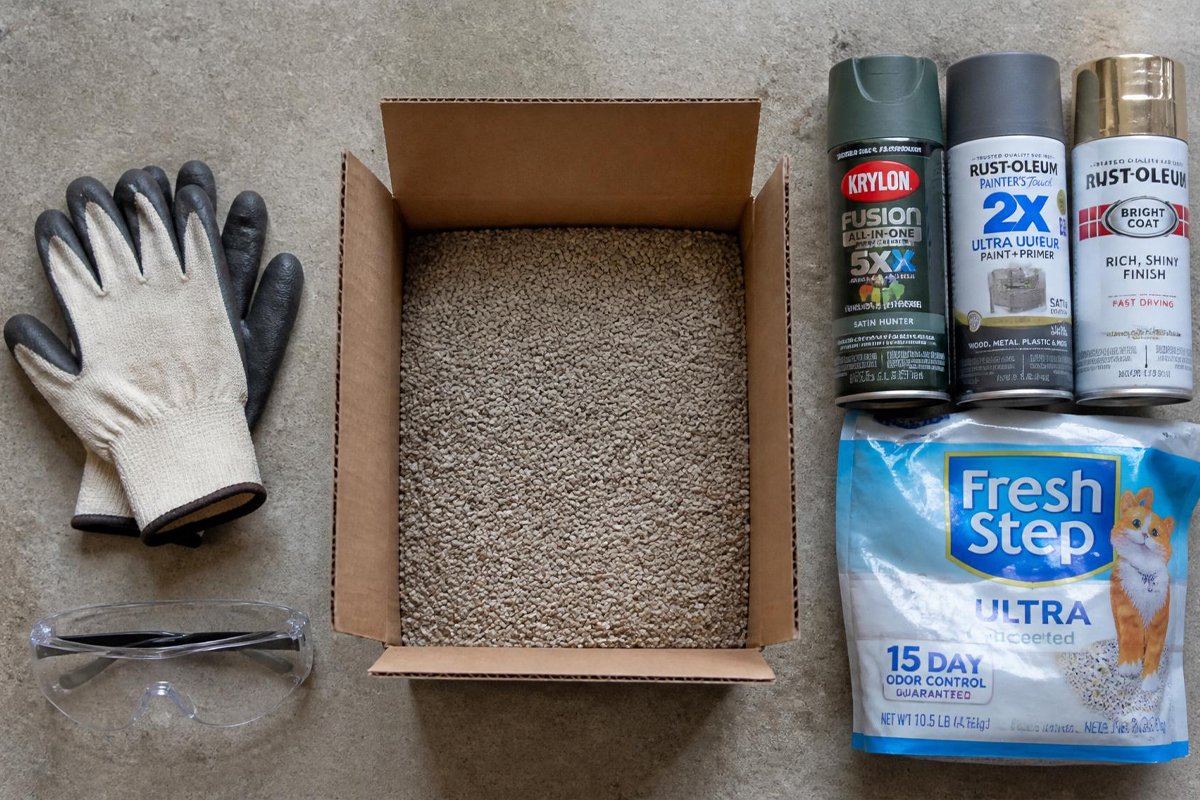
- Transport cans upright in a box lined with an absorbent material like cat litter in case of a leak
- Keep original labels visible so facility staff can identify the contents quickly
Best For: Partially full cans, cans of unknown status, and anyone without a garage to fully discharge a can outdoors.
Pros: ✅ Fully compliant with state and local hazardous waste law ✅ Prevents landfill contamination
Cons: ❌ Requires a trip, sometimes only available on specific dates ❌ Some rural areas have limited access
Our Verdict: This is the only fully risk-free option for a can you’re not sure about — when in doubt, treat it as hazardous waste rather than guessing.
4. Rag & Absorbent Material Disposal Protocol
Rags, paper towels, and cardboard used to catch overspray or wipe up spray paint can spontaneously combust if left balled up while still wet with paint or solvent, because the drying (oxidation) process generates heat.
Key Features:
- Lay used rags flat outdoors to dry completely before throwing them away
- Alternatively, submerge them in a sealed metal container of water until trash day
- Never pile multiple wet rags together in a bin or box
- Treat solvent-soaked rags (mineral spirits, acetone) with the same caution as the paint itself
Best For: Anyone doing surface prep or cleanup, including projects like our furniture spray painting guide and outdoor furniture guide, both of which involve heavy rag use during prep and cleanup.
Pros: ✅ Prevents a genuine fire risk that many DIYers don’t know about ✅ Costs nothing
Cons: ❌ Requires an extra step most people skip out of habit
Our Verdict: This is the most overlooked rule in this entire guide — and one of the few spray-painting mistakes that can start a fire hours after you’ve finished for the day.
Comparison Table
| Method | Best For | Cost | Effort Level | Legal Risk If Skipped |
| Ventilated Storage Cabinet | Active DIYers, garages | $25–$80 | Low (one-time setup) | Low, but fire risk if skipped |
| Full-Discharge (Rattle Test) | Emptying a can before trash | Free | Low | Medium — fines for premature disposal |
| Household Hazardous Waste (HHW) Drop-off | Partially full or unknown-status cans | Free–low cost | Medium (requires a trip) | High if skipped — illegal dumping fines |
| Rag/Absorbent Disposal Protocol | Solvent-soaked rags and wipes | Free | Low | High — spontaneous combustion risk |
Storage & Disposal for Different Situations
Apartment Renters and Small Spaces
Without a garage, a small lockable plastic bin kept in a closet away from any heater works as a substitute for a full cabinet — just keep it under 80°F and away from windows with direct sun. Renters doing balcony or small furniture projects, like those in our beginner’s guide to spray painting furniture, should plan to drop off partially used cans at a community HHW event rather than storing them long-term in a small unit.
Frequent DIYers and Hobbyists
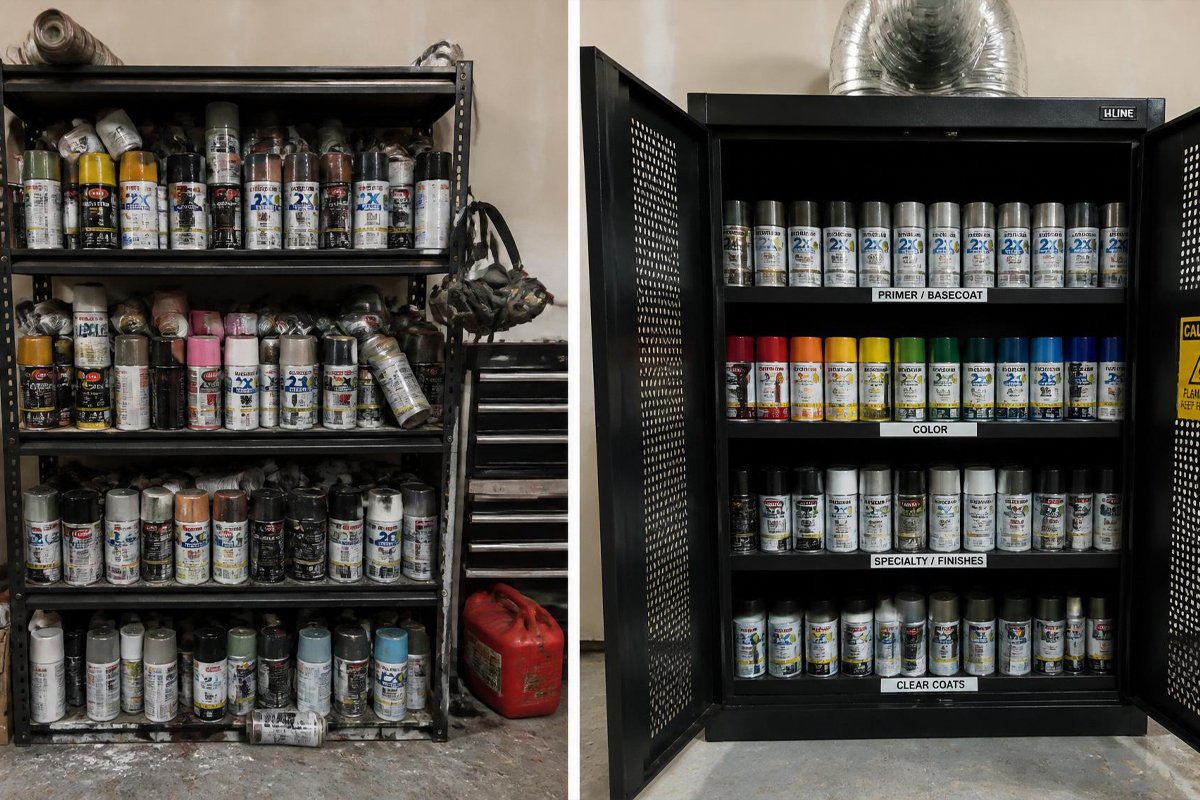
If you’re regularly working through projects like our wicker and rattan furniture guide or guitar respray guide, a labeled cabinet organized by finish type (primer, color, clear coat) saves time and reduces how often cans sit half-used for months. Rotate older cans to the front so nothing is forgotten until it’s rusted or expired.
Contractors and Small Businesses
Higher volume changes the math — many states require businesses generating hazardous waste above a certain threshold to register as a waste generator, track disposal manifests, and use a licensed hazardous waste hauler rather than a consumer HHW drop-off. If you’re doing volume work similar to our car rims and wheels guide or car at home guide on a commercial scale, check with your state environmental agency before assuming residential rules apply to you.
How to Store and Dispose of Spray Paint Correctly
Step 1: Prepare
Gather gloves, safety glasses, a cardboard box lined with an absorbent material like cat litter, and confirm your local HHW facility’s hours or next collection date before you start.
Step 2: Sort by Status
Separate cans into three piles: clearly full or nearly full, partially used, and cans you believe are empty but haven’t tested yet.
Step 3: Test or Discharge
For any can you plan to trash, complete the full-discharge method outdoors described above. For everything else, keep cans upright and labeled for HHW drop-off. The EPA’s hazardous waste guidance outlines what most local programs require at intake.
Step 4: Store Short-Term Safely
Anything not going out immediately goes into your ventilated cabinet, upright, away from heat, until your next project or your next HHW trip.
Step 5: Drop Off or Discard
Take hazardous cans to the facility or event you confirmed in Step 1. Fully discharged, empty cans can go in regular trash or recycling only if your local program confirms aerosol cans are accepted curbside.
Common Mistakes
Mistake 1 — Assuming “light” means empty: Shaking a can and hearing nothing isn’t the same as a full discharge test; residual paint can still be trapped in the nozzle or dip tube. This is one of the 10 common spray paint mistakes worth reviewing before your next project.
Mistake 2 — Storing cans near a water heater or furnace: Garages are notorious for this, since utilities and paint supplies often end up sharing the same wall. If a can has already warped or bulged, do not attempt to use it — see our spray paint safety guide for handling damaged aerosol cans.
Mistake 3 — Balling up wet rags in a trash can: As covered above, this is a genuine fire risk, not just a theoretical one. If you’ve had paint mishaps needing cleanup, our guide on how to remove spray paint from skin, surfaces, and mistakes covers safe cleanup methods that won’t leave solvent-soaked rags sitting around.
Expert Tips
Label cans with the purchase date when you buy them. Aerosol paint typically stays usable for 2–3 years, and a date makes the “should I keep or dispose” decision much faster months later.
Buy only what you need for a project. Overbuying is the single biggest driver of long-term storage risk, since cans that sit for years are far more likely to be forgotten in a hot corner of a garage.
Check for local paint take-back events seasonally. Many counties run HHW collection days only a few times a year — mark the date on a calendar rather than waiting until you have a garage full of cans to deal with.
Final Thoughts
Best overall: a ventilated metal cabinet paired with the full-discharge method for anything you’re ready to throw away. Best budget: a lidded plastic bin in a cool closet, with regular trips to your local HHW drop-off for partially used cans. Best for beginners: start with the rattle test on your very next finished can — it takes two minutes and immediately tells you which disposal path applies. For related reading, see our complete safety guide, our spray paint mistakes guide, and our guide to removing spray paint safely.
Frequently Asked Questions
Do I need to empty a spray paint can before throwing it away?
Yes, in most areas. A can with any paint left inside is classified as household hazardous waste and can’t legally go in curbside trash. Fully discharging it (spraying until no mist or liquid sound remains) converts it into ordinary trash in most jurisdictions.
How long can I store spray paint before it goes bad?
Most aerosol spray paint stays usable for about 2–3 years if stored upright in a cool, dry place. Heat exposure shortens that significantly, sometimes to under a year, which is another reason temperature-controlled storage matters.
Spray paint disposal vs. house paint disposal — is it different?
Yes. Liquid house paint can often be air-dried or solidified with cat litter and then thrown away in many states, but pressurized aerosol cans are handled differently because of the propellant, and any with residue inside are treated as hazardous waste regardless of how little paint is left.
Why won’t my full trash can accept my spray paint cans?
Waste haulers are legally required to reject visibly hazardous materials, and pressurized cans with residue are a common trigger. If a can was rejected, it likely still has paint inside and needs an HHW drop-off instead.
Is it safe to store spray paint in a hot garage?
Not ideal. Most manufacturers recommend keeping cans between roughly 50°F and 80°F. A garage that regularly exceeds 90°F in summer increases the risk of pressure buildup and can shorten the paint’s usable life.
Can I recycle empty spray paint cans with regular metal recycling?
Only once a can is fully discharged and empty — check with your local recycling program first, since some only accept aerosols with a specific symbol or require you to remove the plastic nozzle.
What do I do with a can that’s rusted, bulging, or damaged?
Don’t attempt to use or empty it yourself. A bulging or rusted-through can should go directly to an HHW facility, since attempting a full discharge on a compromised can increases rupture risk.
Are solvent-soaked rags actually a fire hazard?
Yes — this is a well-documented cause of garage and shop fires. The oxidation process in drying oil-based residue generates heat, and a tightly bunched pile of rags can trap that heat until it ignites.
Does every city have a household hazardous waste program?
Most counties do, though access varies — some have a permanent drop-off facility, others only run seasonal collection events. Check your county’s public works or environmental services website for the nearest option.
Can I just spray out the rest of a can outdoors instead of taking it to HHW?
Yes, this is the standard, legal way to convert a partially used can into ordinary trash, as long as you do it in a well-ventilated outdoor space, away from ignition sources, and wear a respirator rated for organic vapors.
Author: Rodney Shiner
Last Updated: July 2026