
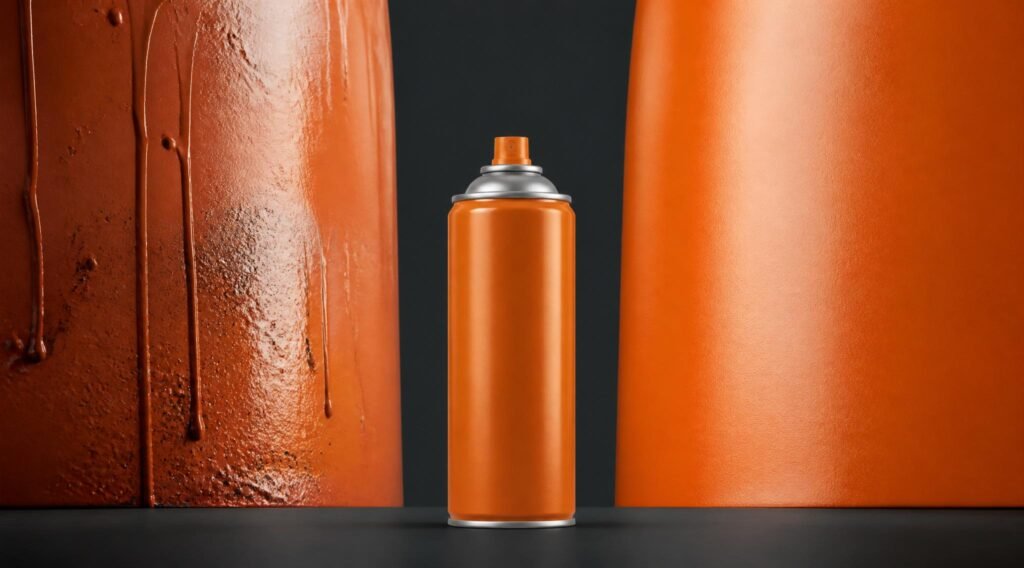
Spray painting looks simple — pick up a can, press the nozzle, and walk away with a smooth, professional finish. But anyone who has actually done it knows the reality is a little different. Drips appear out of nowhere. The surface peels a week later. The color comes out patchy and uneven. You step back, and what looked promising ends up looking amateur.
The good news? Every single one of these problems has a cause — and once you know the cause, the fix is straightforward.
This guide breaks down the 10 most common spray paint mistakes, explains exactly why they happen, and tells you how to fix them before, during, or after they occur. Whether you’re a complete beginner or someone who has painted dozens of projects and keeps running into the same issues, this is the troubleshooting resource you’ve been looking for.
Why Most Spray Paint Problems Happen in the First Place
Spray painting mistakes almost never come from bad paint. They come from skipping preparation, misunderstanding technique, or working in the wrong conditions. The paint itself is rarely the culprit — it’s almost always what happened before or during the application.
Understanding this is the first step to getting consistently great results. Let’s go through each mistake in detail.
Mistake #1: Skipping Surface Preparation
What happens: The paint peels, chips, or refuses to adhere within days or weeks of application — even if it looked perfect when you finished.
Why it happens: Paint needs a clean, stable surface to bond to. Dust, grease, oil, moisture, and wax all act as barriers between the paint and the surface. When you spray over a contaminated surface, the paint sits on top of that layer instead of bonding properly — and eventually, it lifts away.
The Fix — Before You Paint:
- Wipe the surface down with a degreaser or rubbing alcohol before doing anything else
- Sand glossy surfaces lightly (220-grit) to give the paint something to grip
- Remove any old paint that is flaking or peeling — paint applied over failing old paint will fail too
- Let the surface dry completely before applying primer or paint
If you’re working with plastic, the prep process is especially critical — bonding primer is often non-negotiable.
→ Read: How to Spray Paint Plastic: The Complete Guide
→ Read: How to Spray Paint Wood: Complete Guide to a Smooth, Professional Finish
Mistake #2: Not Using Primer
What happens: The finish looks uneven, patchy, or shows the base material color bleeding through. On porous surfaces, the paint gets absorbed unevenly, creating a blotchy appearance.
Why it happens: Primer serves two jobs that paint alone cannot do: it seals the surface so paint absorbs evenly, and it creates a bonding layer that dramatically improves adhesion.
The Fix:
- Always apply at least one coat of primer before your topcoat
- Choose a primer designed for your surface — plastic primer is chemically different from metal primer
- Let the primer cure completely (usually 30–60 minutes) before applying topcoat
- Sand lightly between primer and topcoat with 320-grit sandpaper for ultra-smooth results
→ Read: How to Spray Paint Metal: The Complete Guide
Mistake #3: Holding the Can Too Close or Too Far Away
What happens: Too close — you get drips, runs, and an overly wet, heavy finish. Too far away — the paint dries before it hits the surface, creating a rough, dusty, speckled texture called “dry spray.”
Why it happens: Spray cans are calibrated to atomize paint properly at a specific distance — typically 10 to 12 inches from the surface.
The Fix:
- Hold the can 10 to 12 inches from the surface at all times
- If you’re getting drips, you’re too close — back up and let the wet coat dry before attempting again
- If you’re getting a rough, sandy texture, you’re too far — move slightly closer
- Keep the distance consistent throughout each pass
→ Read: Best Spray Paint Techniques for a Professional Finish
Mistake #4: Applying Too Much Paint at Once (Causing Drips and Runs)
What happens: Thick, sagging lines of paint (runs) or teardrop-shaped drips appear on vertical surfaces. The finish looks uneven and unprofessional.
Why it happens: Drips and runs happen when too much paint is applied to a surface before the previous wet coat can support it. Gravity pulls the excess down.
The Fix (wet paint): Immediately back up and apply a quick, light pass to redistribute the paint before it sets.
The Fix (dried paint): Sand the drip flat with 400-grit sandpaper, feather the edges, and reapply thin coats over the repaired area.
Prevention:
- Apply multiple thin coats instead of one heavy coat
- Move the can in steady, even passes at moderate speed
- Overlap each pass by about 50% to avoid gaps
→ Read: How to Fix Spray Paint Drips and Runs (Complete Step-by-Step Guide)
Mistake #5: Painting in Wrong Weather or Temperature
What happens: The paint wrinkles, bubbles, takes forever to dry, or produces a dull, milky finish (called “blushing”). In some cases it simply won’t adhere at all.
Why it happens: Most aerosol paints require temperatures between 50°F and 90°F (10°C–32°C) for proper atomization and curing. High humidity (above 70%) also causes major issues.
The Fix:
- Check the temperature before you start — aim for 65–85°F (18–30°C)
- Don’t paint on humid days or when rain is expected within a few hours
- Avoid painting in direct midday sun — the surface gets too hot
- Store spray cans at room temperature before use — cold cans produce coarser spray
→ Read: How to Spray Paint Outdoors: Tips for Weatherproof Results
Mistake #6: Not Shaking the Can Long Enough
What happens: The paint comes out unevenly — sometimes watery and thin, sometimes thick and spitting. Colors may look wrong. The finish is blotchy.
Why it happens: Spray paint pigment, binder, and propellant separate over time. The standard recommendation is 2 full minutes of vigorous shaking after you first hear the ball rattling.
The Fix:
- Shake for a minimum of 2 minutes before each session
- Re-shake for 30–60 seconds every 2 minutes during use
- If the paint is spitting inconsistently, stop and shake again immediately
- Warm cold cans in warm (not hot) water for 5 minutes before shaking
Mistake #7: Not Doing a Test Pass First
What happens: The first pass on your actual project reveals a problem — clogged nozzle, wrong spray pattern, incorrect distance — and now the damage is on your finished piece.
Why it happens: Beginners go straight from the can to the project. Professionals always do a quick test pass on cardboard or scrap material first.
The Fix:
- Always test on scrap cardboard before starting any project
- Check the spray pattern is consistent and fan-shaped (not spitting, not circular blobs)
- Confirm the color and finish look as expected
- Use the test pass to find your ideal distance and stroke speed
→ Read: Spray Painting for Beginners: The Complete Starter Guide
Mistake #8: Using the Wrong Paint for the Surface
What happens: The paint doesn’t adhere, peels almost immediately, reacts with the surface (crazing, wrinkling), or produces the wrong finish for the intended use.
Why it happens: Spray paint formulations are engineered for specific surfaces and uses. Using the wrong type leads to paint failure.
Match Your Paint to the Surface:
| Surface | Recommended Paint Type |
| Bare metal | Rust-inhibiting enamel or direct-to-metal paint |
| Plastic | Plastic-specific or flexible paint (look for “fusion” or “flexibond” labels) |
| Wood (indoor) | Acrylic or enamel; primer required |
| Wood (outdoor) | Exterior-rated paint with UV inhibitors |
| Masonry / concrete | Masonry-specific spray paint |
| Glass | Specialty glass paint for permanent results |
→ Read: How to Choose the Right Spray Paint for Any Project
Mistake #9: Spraying in Windy Conditions
What happens: Paint drifts away from the target, lands on surrounding surfaces, produces uneven coverage, and creates a rough, dry-spray texture on the intended surface.
Why it happens: Aerosol particles are extremely light. Even a light breeze disrupts the spray pattern and causes some paint to partially dry mid-flight.
The Fix:
- Avoid painting outdoors on days with wind above 5 mph (8 km/h)
- Set up a windbreak using cardboard sheets, a pop-up canopy, or the shelter of a building corner
- If you must work in breezy conditions, stand so the wind is at your back
- Work in a garage with the door open — ventilation without wind exposure
- Keep sessions short and reassess wind conditions between coats
Mistake #10: Ignoring Safety Precautions
What happens: Short-term: headaches, dizziness, nausea, and respiratory irritation. Long-term with repeated unprotected exposure: potential neurological and respiratory damage.
Why it happens: Spray paint produces fine airborne particles and VOCs. Many people treat it casually because the can looks small and familiar.
The Non-Negotiable Safety Basics:
Ventilation: Never spray in a fully enclosed space without active ventilation (open windows + a fan pushing air out). Outdoors is always preferable.
Respiratory Protection: A basic dust mask does nothing against spray paint fumes — you need a respirator with organic vapor cartridges (P100 rated).
Eye & Skin Protection: Safety glasses prevent corneal damage. Nitrile gloves protect your skin from solvent absorption.
Fire Safety: Aerosol propellants are highly flammable — keep away from open flames, sparks, and heat sources.
Storage: Store cans at room temperature, away from sunlight and heat — never in a hot car or near radiators.
→ Read: Spray Painting Safety: Everything You Need to Know to Stay Safe
Quick-Reference: Spray Paint Mistake Fix Table
| Mistake | Main Cause | Quick Fix |
| Paint peeling | Poor surface prep | Degrease, sand, prime before painting |
| Patchy / blotchy finish | No primer on porous surface | Apply primer first; sand lightly |
| Drips and runs | Too close, too much paint | Sand flat when dry; apply thinner coats |
| Bubbling surface | Heat, moisture, or incompatible layers | Strip affected area and start over |
| Rough / sandy texture | Too far away, or too cold | Move closer; warm the can |
| Streaky finish | Inconsistent stroke speed | Maintain even speed; overlap 50% each pass |
| Wrong color / blotchy tone | Can not shaken enough | Shake 2 minutes; test on cardboard |
| Paint won’t stick | Wrong paint type | Match paint to surface; use bonding primer |
| Uneven overspray | Wind or inconsistent distance | Windbreak; maintain 10–12 inch distance |
| Paint wrinkling | Over-applied or incompatible layers | Strip and restart with compatible products |
Pre-Paint Checklist (Run This Before Every Project)
Surface:
- Cleaned and degreased
- Sanded if glossy
- Dry and dust-free
Conditions:
- Temperature 65–85°F (18–30°C)
- Humidity below 70%
- No wind (or windbreak in place)
Materials:
- Paint matches the surface type
- Primer selected for the surface
- Safety gear ready (respirator, gloves, glasses)
Technique:
- Can shaken for 2 full minutes
- Test pass done on cardboard
- Distance confirmed at 10–12 inches
Final Thoughts
Every spray paint mistake covered in this guide is fixable — and more importantly, every one of them is preventable. The pattern across all 10 mistakes is the same: problems come from rushing, skipping preparation steps, or painting in the wrong conditions. Slow down, prepare properly, test first, and apply thin coats. These habits will transform your results.
Continue Building Your Skills:
- New to spray painting? → https://spraypainterguide.com/spray-painting-for-beginners-complete-guide/
- Working on furniture? → https://spraypainterguide.com/how-to-spray-paint-furniture-without-streaks/
- Dealing with bubbles specifically? → https://spraypainterguide.com/why-your-spray-paint-is-bubbling/
- Ready to tackle a car? → https://spraypainterguide.com/how-to-spray-paint-car-at-home-diy-guide/