
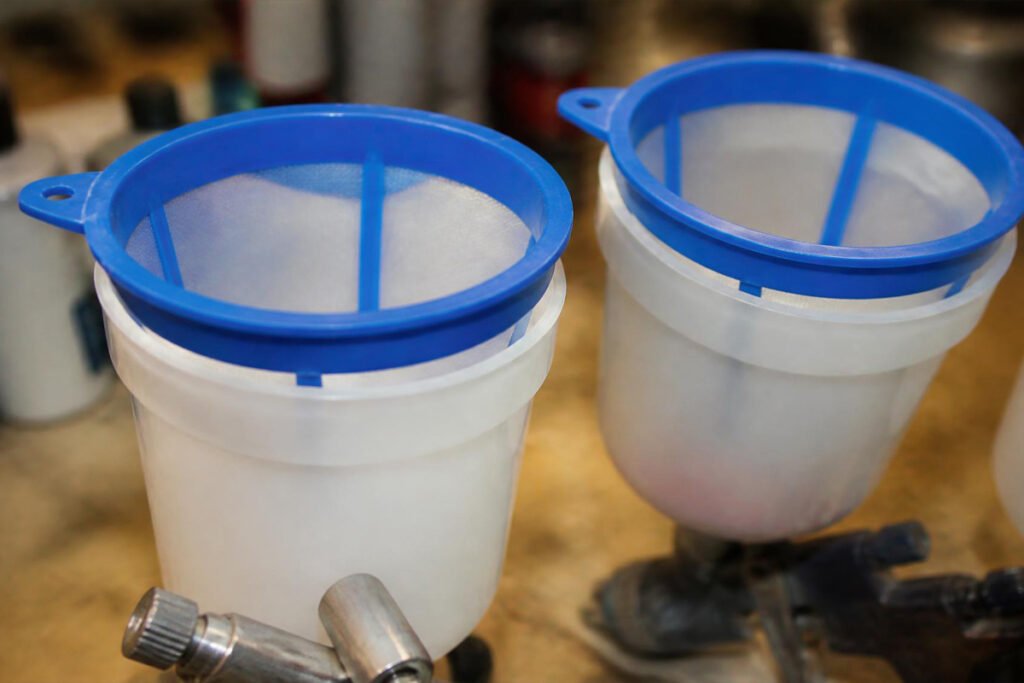
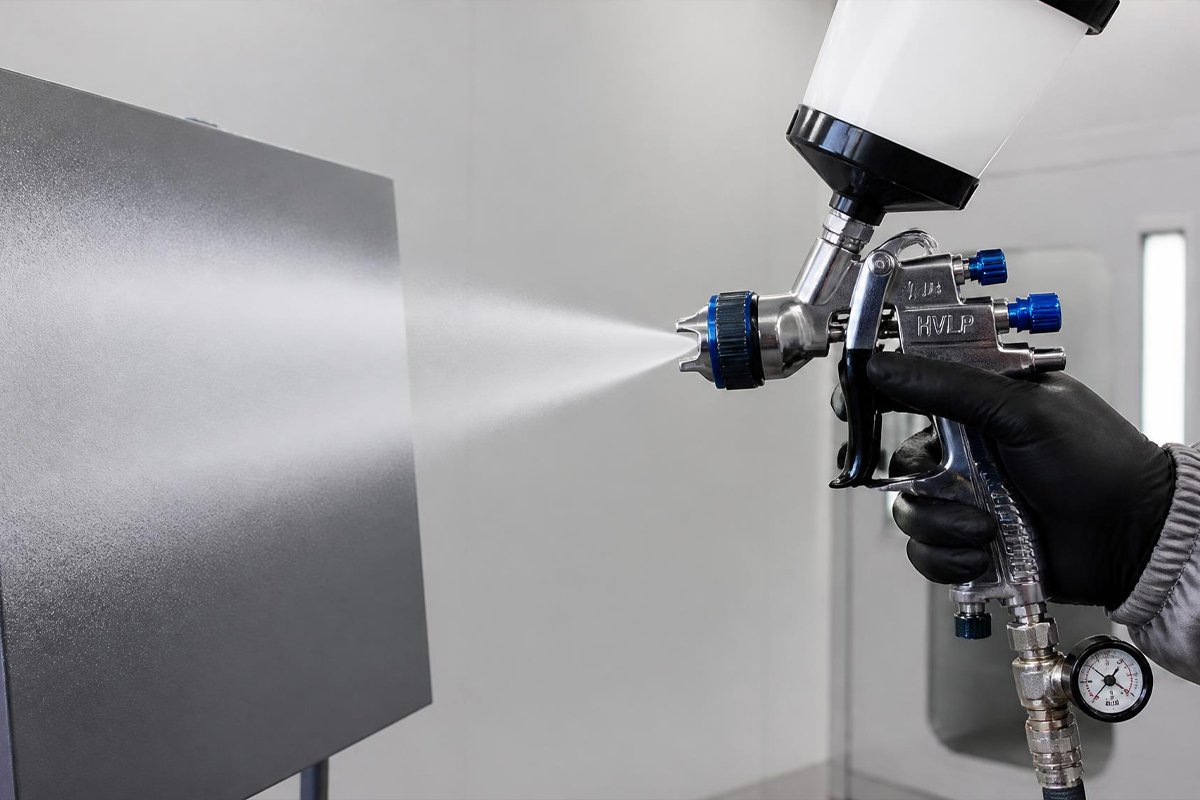
You mixed your paint carefully, checked your air filtration, confirmed conditions with a hygrometer, and loaded your HVLP gun. Then, halfway through your first pass, the spray pattern suddenly turns lopsided, spits, or stops entirely — and when you pull the trigger apart to check, there’s a tiny clump of dried paint or a speck of debris wedged directly in the nozzle. That’s not a gun malfunction. That’s exactly what happens when paint goes into a gun unfiltered.
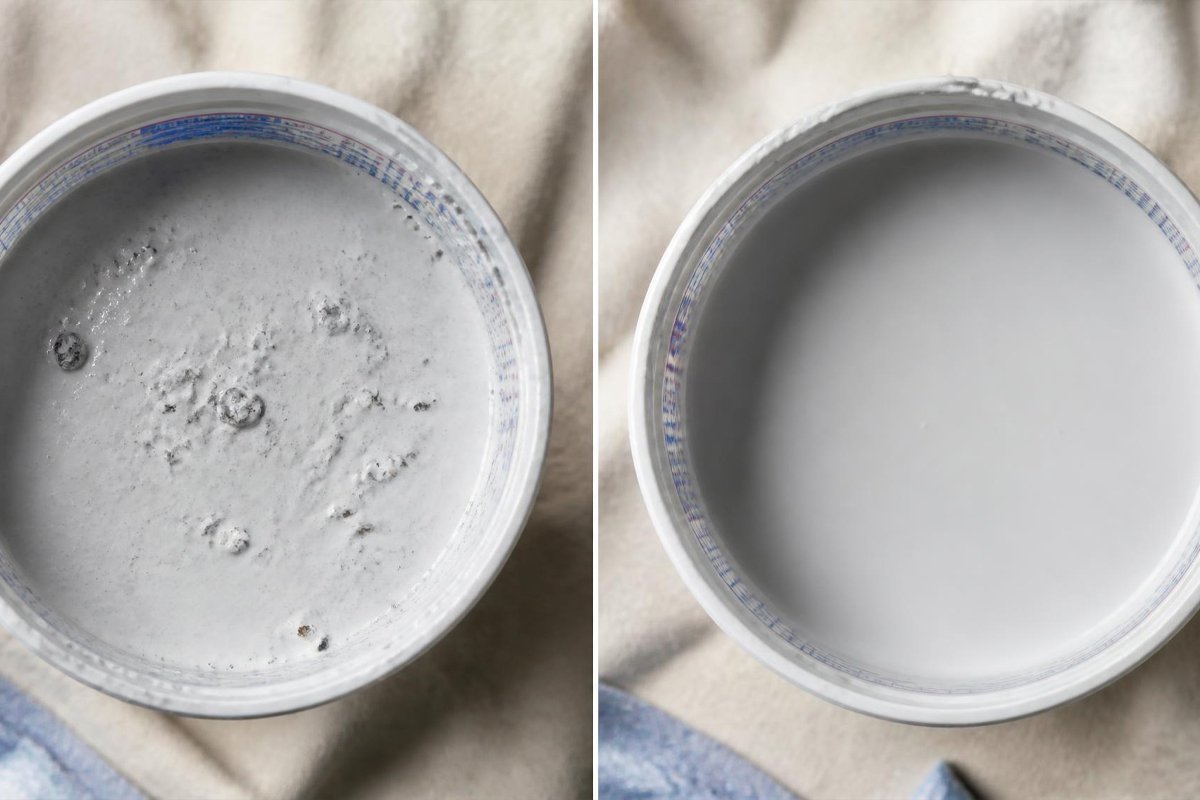
Paint — even paint straight from a fresh, sealed can — almost always contains some amount of skin, sediment, dried clumps from the rim, or manufacturing debris too fine to see at a glance but plenty big enough to jam an HVLP nozzle’s tiny orifice. Old or partially used cans are worse, often developing a thin dried skin on top that breaks into flakes the moment you stir. None of this is something you can reliably catch by eye before pouring paint into your gun’s cup.
A paint strainer solves this with almost no effort or cost — a simple cone-shaped mesh filter that sits in your gun’s cup or a mixing container while you pour, catching debris before it ever has a chance to reach the nozzle. This guide covers what actually matters when choosing one — mesh size, material, and pack quantity — and reviews five real options that cover everything from ultra-fine automotive clear coats to thicker latex house paint.
Quick Answer
The best paint strainer for spray guns depends on your paint type and how fine your gun’s nozzle is. For automotive-grade clear coats, base coats, and anything sprayed through a tight HVLP nozzle, TCP Global’s “Pure Blue” 190 Micron Nylon Mesh Strainers are a trusted, widely used default. For extremely fine automotive work where even tiny particles matter, the TCP Global 125 Micron (Ultra-Fine) version filters more aggressively. If you’re spraying thicker latex or house paint that clogs less easily but still needs debris removed, the coarser Harbor Freight 60–70 Mesh Strainers let paint flow faster without unnecessary fine filtration. For general all-purpose use across most paint types, Terberl 100 Micron Paint Cones offer a solid middle ground in bulk. And if you’re just starting out and want a strainer plus a pouring funnel in one kit, MAQIHAN Paint Strainers with Funnel is the beginner-friendly bundle.
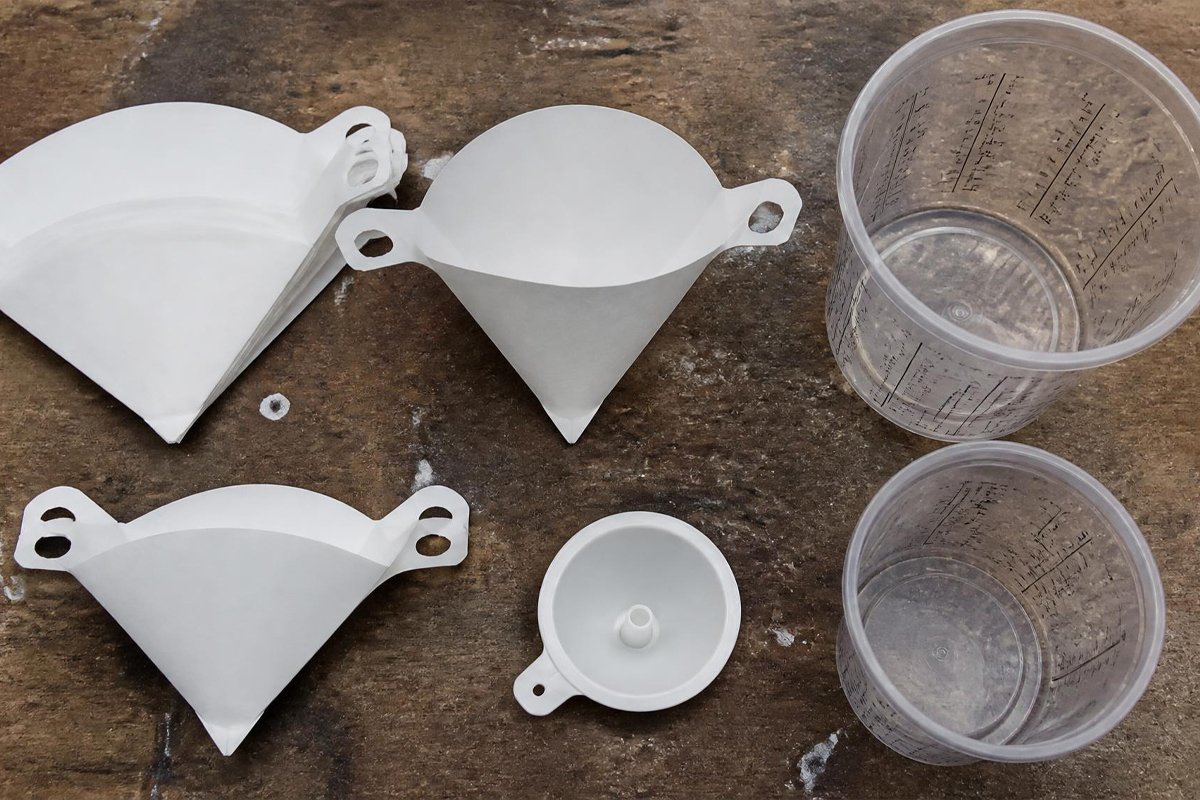
Table of Contents
- Why Straining Paint Actually Matters
- How to Choose the Right Paint Strainer
- Best Paint Strainers for Spray Guns in 2026
- Comparison Table
- Best Strainers for Different Paint Types
- How to Strain Paint Correctly
- Common Mistakes
- Expert Tips
- Final Verdict
- FAQ
Why Straining Paint Actually Matters {#why-it-matters}
An HVLP spray gun’s nozzle orifice is a tiny, precisely machined opening — often well under a millimeter — designed to atomize paint into a fine, even mist. Anything larger than that opening, whether it’s a dried paint skin fragment, a speck of rust from an old can, or a bit of dust that settled in during storage, gets stuck right at the tip and disrupts the spray pattern, usually mid-project rather than conveniently before you start.
Straining removes this risk almost entirely, and it’s genuinely one of the cheapest, fastest steps in the entire painting process — most strainers cost only a few cents each and take seconds to use. It pairs naturally with the other environmental and equipment-side steps already covered in our guides on inline air filtration and tack cloths for dust-free surfaces — all three are about controlling contamination at different points in your process, and skipping any one of them tends to show up as an unexplained finish or spray-pattern problem later.
How to Choose the Right Paint Strainer {#how-to-choose}
Ask yourself these three questions before buying:
1. What paint am I spraying? Automotive base coats and clear coats generally benefit from finer mesh (125–190 microns); thicker latex or house paints can use a coarser mesh without meaningfully slowing your pour.
2. How fine is my gun’s nozzle? Detail and touch-up guns with very small tips benefit more from fine filtration than larger production guns with wider orifices.
3. How often am I painting? Occasional painters do fine with a small pack; anyone doing regular automotive or furniture work benefits from buying in bulk to avoid running out mid-project.
If you haven’t sorted your gun setup yet, our HVLP spray gun guide covers nozzle sizing in more detail before you worry about filtration on top of it.
Best Paint Strainers for Spray Guns in 2026 {#best-strainers}
1. TCP Global “Pure Blue” 190 Micron Nylon Mesh Paint Strainers — Best Overall
Overview: TCP Global’s Pure Blue line is one of the most widely recognized names in automotive and hobby paint straining, and the 190-micron version strikes a practical balance — fine enough to catch nearly all problematic debris, without slowing down the pour the way ultra-fine filters can with thicker paints.
Approximate Price: Typically listed around $8–$12 for a 50-pack, with bulk options up to $60–$90 for a case of 1,000.
Key Features:
- 190-micron fine blue nylon mesh filter tip
- Cone shape designed to sit securely in most gun cups and mixing containers
- Compatible with solvent- and water-based paints, stains, varnishes, and epoxy
- Available in multiple pack sizes from 50 up to a case of 1,000
Best For: General automotive work, furniture refinishing, and most home spray painting projects where a dependable, well-known brand matters.
Pros: ✅ Genuinely trusted brand with a long track record in automotive and hobby painting communities ✅ 190-micron mesh handles most paint types without excessive pour resistance ✅ Wide range of pack sizes fits both occasional and frequent painters
Cons: ❌ Not the finest filtration available if you’re chasing an ultra-premium automotive clear coat standard ❌ Bulk case sizes are more than most home painters need unless bought to share or resell
Our Verdict: Based on manufacturer specifications and its established reputation across automotive and hobby painting communities, this is the strainer most people should default to unless they have a specific reason — either a very thick paint or an ultra-fine automotive standard — to choose something else.
2. TCP Global “Pure Blue” 125 Micron Ultra-Fine Strainers — Best for Automotive Clear Coats
Overview: This is the finer-mesh sibling to TCP Global’s standard 190-micron strainer, built for painters who want the tightest practical filtration before spraying automotive-grade base coats and clear coats where even small particles are visible under a glossy finish.
Approximate Price: Typically listed around $9–$14 for a 50-pack.
Key Features:
- Extremely fine 125-micron filter tip
- Same durable blue nylon mesh material and cone design as the 190-micron version
- Available in 50-, 250-, and 1,000-count pack sizes
- Marketed specifically toward high-performance automotive finishing
Best For: Automotive clear coats, base coats, and any project where the final finish will be closely inspected under direct light.
Pros: ✅ Tighter filtration than the standard 190-micron version for extra peace of mind on critical top coats ✅ Same reliable brand and cone design, so nothing changes about how it’s used ✅ Available in the same range of pack sizes as the standard version
Cons: ❌ Finer mesh filters slightly slower than the 190-micron version, particularly with thicker paints ❌ Overkill for general furniture or craft projects where the standard mesh is already sufficient
Our Verdict: For anyone whose top coats get inspected up close under direct light — automotive panels especially — the extra filtration margin here is a small, inexpensive way to rule out particulate as a cause of any finish imperfection.
3. Harbor Freight 60–70 Mesh Paint Strainers — Best for Thicker or Latex Paint
Overview: This coarser mesh strainer is built around a different priority than the automotive-grade options above — instead of maximizing filtration fineness, it prioritizes fast, unrestricted flow for thicker paints that don’t need micron-level filtration to spray cleanly.
Approximate Price: Typically listed around $6–$9 for a 100-pack.
Key Features:
- 60–70 mesh nylon filtration, coarser than automotive-grade cones
- Nylon mesh extends fully to the tip of each cone
- Designed to fit standard paint cups
- Sold in economical 100-count packs
Best For: Latex house paint, thicker primers, and general-purpose projects where fine automotive-level filtration isn’t necessary.
Pros: ✅ Noticeably faster flow-through than fine-mesh automotive strainers with thicker paint ✅ Reviewers specifically note these hold up well without saturating or falling apart mid-use ✅ Very affordable per-unit cost in the 100-pack
Cons: ❌ Coarser mesh isn’t fine enough for automotive base coats or clear coats where finer particulate matters ❌ Less widely available than TCP Global’s line at some retailers
Our Verdict: For anyone mainly spraying latex or thicker house paints through an airless sprayer or larger-orifice gun, this coarser mesh gets debris out without unnecessarily slowing down your pour the way an ultra-fine automotive filter would.
4. Terberl 100 Micron Paint Cones — Best General Bulk Value
Overview: Terberl’s paint cones sit in a practical middle ground between the ultra-fine automotive options and the coarser latex-oriented strainer, using a 100-micron mesh with a notably large opening diameter that makes pouring easier for bigger batches.
Approximate Price: Typically listed around $10–$15 for a 100-pack.
Key Features:
- 100-micron fine nylon mesh bottom
- Roughly 7.5-inch opening diameter, wider than many competing cones
- Heavyweight paper construction for durability during pouring
- Suitable for automotive, general painting, and craft use
Best For: Painters who want solid all-purpose filtration without committing to either the finest automotive mesh or the coarsest latex-oriented option.
Pros: ✅ Wide opening diameter makes pouring larger quantities noticeably easier than narrower cones ✅ 100-micron mesh is fine enough for most general paint types without being excessive ✅ Heavyweight paper construction holds up well without tearing
Cons: ❌ Not marketed with the same automotive-specific reputation as TCP Global’s line ❌ Single mesh size means you’re not getting the fine/coarse options a two-tier system like TCP Global’s offers
Our Verdict: This is a sensible general-purpose pick for anyone who doesn’t want to think too hard about matching mesh size to paint type — the 100-micron rating and wide opening cover most common projects reasonably well.
5. MAQIHAN Paint Strainers with Funnel — Best Beginner Bundle
Overview: MAQIHAN’s kit bundles paper cone strainers together with a pouring funnel, which is a genuinely useful combination for anyone just getting their painting supplies together and not wanting to buy the two separately.
Approximate Price: Typically listed around $10–$15 for a 100-pack with funnel included.
Key Features:
- Fine mesh filter cones, standard cone shape
- Included pouring funnel for cleaner transfers between containers
- Disposable, single-use design
- Suitable for automotive mixing cups and general body-repair paint work
Best For: First-time painters building out a basic supply kit, or anyone who doesn’t already own a dedicated pouring funnel.
Pros: ✅ Bundling a funnel in with the strainers is a genuinely practical starting-kit combination ✅ Straightforward, no-frills design with no learning curve ✅ Reasonable price for what amounts to two tools in one purchase
Cons: ❌ Standard mesh fineness, without the automotive-specific ultra-fine option some competitors offer ❌ Funnel is a basic accessory, not a premium or heavy-duty piece on its own
Our Verdict: For anyone assembling their first real spray painting kit, getting a funnel bundled with strainers removes one more small purchase decision, and the combination covers straining and pouring in a single, inexpensive product.
Comparison Table {#comparison-table}
| Strainer | Best For | Mesh Size | Pack Sizes | Approx. Price |
|---|---|---|---|---|
| TCP Global Pure Blue 190 Micron | General automotive & hobby use | 190 micron | 50 to 1,000 | $8–$12 (50-pack) |
| TCP Global Pure Blue 125 Micron | Automotive clear coats | 125 micron | 50 to 1,000 | $9–$14 (50-pack) |
| Harbor Freight 60–70 Mesh | Thicker/latex paint | 60–70 mesh | 100-pack | $6–$9 |
| Terberl 100 Micron Cones | General bulk value | 100 micron | 100-pack | $10–$15 |
| MAQIHAN with Funnel | Beginner starter kit | Standard fine mesh | 100-pack + funnel | $10–$15 |
Prices fluctuate by retailer and current promotions — treat these as general ranges rather than fixed figures.
Best Strainers for Different Paint Types {#by-paint-type}
Automotive Base Coats & Clear Coats
Stick with TCP Global’s 190- or 125-micron Pure Blue strainers here — the fine mesh and established reputation matter most on finishes that get inspected closely under direct light.
Furniture & General Craft Projects
Terberl’s 100-micron cones or the standard TCP Global 190-micron strainer both cover this range well, paired naturally with our furniture painting guide.
Latex House Paint & Thicker Coatings
The coarser Harbor Freight mesh avoids unnecessarily slowing down thicker paint, while still catching the debris that actually causes clogs.
How to Strain Paint Correctly {#how-to-strain}
Step 1: Stir Paint Thoroughly Before Straining
Straining doesn’t replace proper mixing — stir first so pigment and additives are evenly distributed, then strain to catch physical debris.
Step 2: Position the Cone Securely
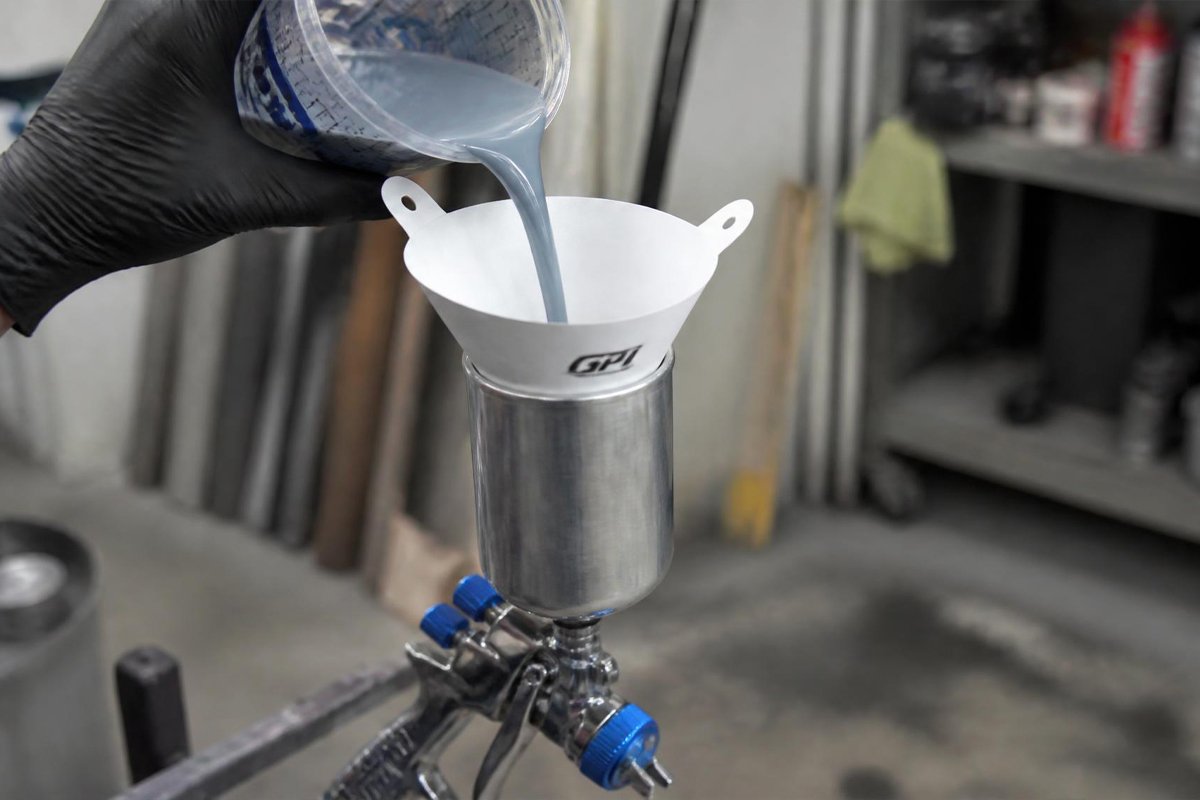
Make sure the strainer’s cone sits snugly in your gun’s cup or mixing container opening before you start pouring, so it doesn’t collapse under the weight of the paint.
Step 3: Pour Slowly and Steadily
Pouring too quickly can cause paint to overflow around the strainer’s edge rather than through the mesh — a slow, steady pour keeps everything going through the filter as intended.
Step 4: Discard and Replace Between Batches
Don’t reuse a strainer that’s caught a meaningful amount of debris — they’re inexpensive enough that a fresh one for each new batch or color change is the safer default.
Step 5: Double-Check Old or Partially Used Cans
Cans that have been opened and resealed before are far more likely to have developed skin or debris — these are exactly the situations where skipping straining causes the most problems.
Common Mistakes {#common-mistakes}
1. Skipping straining on “clean-looking” paint. Debris fine enough to clog an HVLP nozzle is often too small to spot with a casual glance into the can — this is exactly the kind of setup pitfall covered in our common spray paint mistakes guide.
2. Reusing a strainer across multiple pours. A strainer that’s already caught debris is partially clogged itself, slowing your next pour and potentially pushing trapped particles through once it’s overloaded.
3. Using too fine a mesh for thick paint. An overly fine strainer with heavy latex or primer can slow pouring dramatically without meaningfully improving results over a moderate mesh size suited to that paint’s thickness.
Expert Tips {#expert-tips}
Keep a small stack of strainers right next to your mixing station. Having them immediately on hand removes any temptation to skip the step because reaching for one feels like extra effort mid-project.
Strain directly into your gun’s cup whenever the cone fits. This avoids an extra transfer step between a separate mixing container and the gun, reducing the chance of introducing new debris in between.
Combine straining with clean, moisture-free compressed air for the best results. Straining solves particulate contamination; a proper inline air filter solves a separate moisture and oil contamination risk — together they cover most of what causes unexplained spray pattern and finish problems.
Final Verdict {#final-verdict}
- Best Overall: TCP Global Pure Blue 190 Micron Strainers — a trusted default for most projects.
- Best for Automotive Clear Coats: TCP Global Pure Blue 125 Micron Strainers — extra filtration margin for critical top coats.
- Best for Thicker/Latex Paint: Harbor Freight 60–70 Mesh Strainers — fast flow without unnecessary fine filtration.
- Best General Bulk Value: Terberl 100 Micron Paint Cones — a solid middle-ground pick with an easy-pour wide opening.
- Best Beginner Bundle: MAQIHAN Strainers with Funnel — two tools in one for anyone building a first kit.
Whichever you choose, it’s one of the cheapest habits in this entire hobby that consistently prevents real problems — pair it with our guides on inline air filtration and tack cloths to cover contamination at every stage from surface prep to the paint itself.
Frequently Asked Questions {#faq}
Do I really need to strain paint straight from a new, sealed can? Yes — even new cans can contain manufacturing debris, and a fresh can that’s been on a shelf for a while can develop a thin skin that breaks apart when stirred, which straining catches before it reaches your gun.
What micron size should I use for automotive clear coats? Most automotive painters use somewhere in the 125–190 micron range for base coats and clear coats, with finer mesh offering extra peace of mind on critical top coats.
Can I reuse a paint strainer for a second pour? It’s not recommended — a used strainer is already partially loaded with debris, which slows flow and risks pushing trapped particles through once the mesh is overloaded.
Will straining slow down my paint pour noticeably? A properly matched mesh size for your paint’s thickness shouldn’t slow things down much; using an overly fine mesh with thick paint is what typically causes a frustratingly slow pour.
Do I need a different strainer for latex versus automotive paint? Generally yes — thicker latex paints flow better through a coarser mesh, while automotive base coats and clear coats benefit from finer filtration given the closer inspection those finishes typically get.
Can a paint strainer remove old, cured paint chunks, or just fine debris? Strainers are effective at catching both fine particulate and small chunks or skin fragments, though very large clumps are better broken up or discarded from the can entirely rather than relying on the strainer to catch everything.
Is a paper cone or a reusable mesh filter better? Disposable paper cones are the standard for most home and automotive painters due to convenience and low cost; reusable mesh filters exist but require cleaning between uses, which most painters find less practical than a fresh disposable cone each time.
Do I need to strain water-based paints, or just solvent-based ones? Both — debris and particulate contamination happen regardless of paint chemistry, so straining is worth doing for water-based acrylics and latex paints just as much as solvent-based automotive coatings.
Author: Rodney Shiner Last Updated: July 2026