
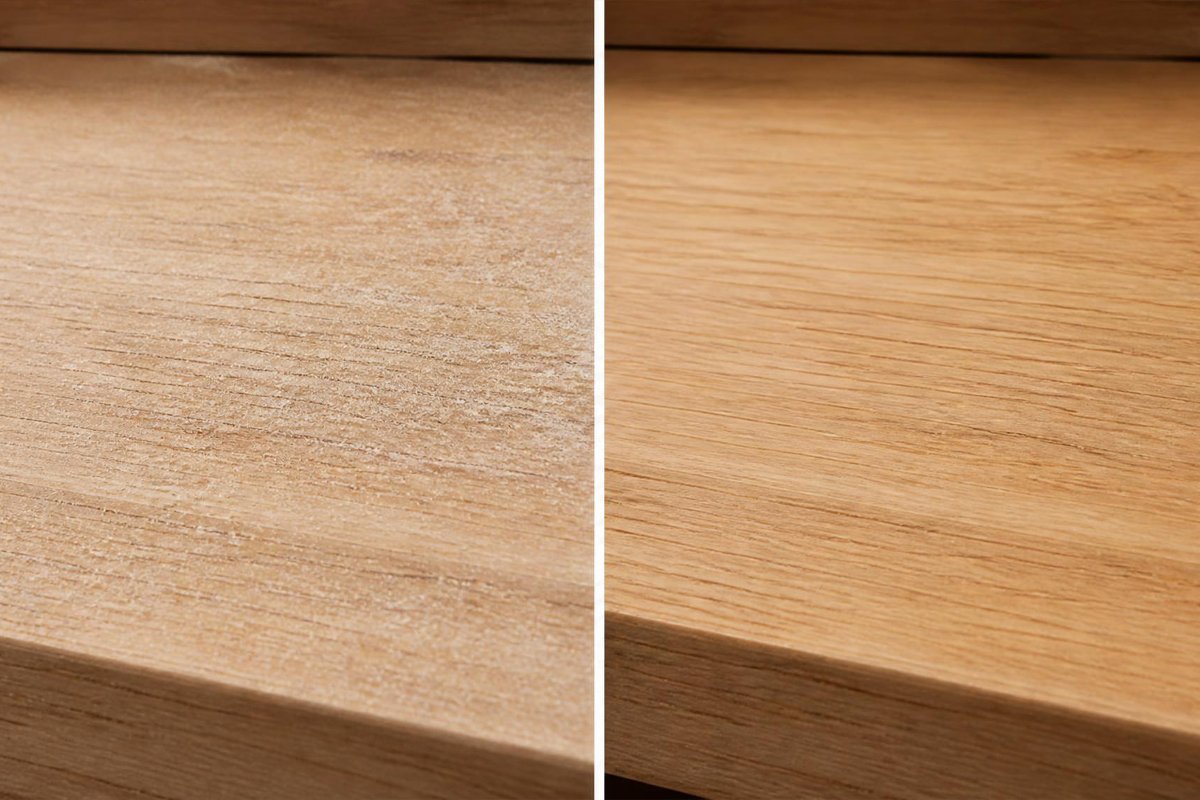
You sanded the surface until it felt glass-smooth, wiped it down with a rag from the shop drawer, and sprayed your first coat feeling confident. Then the light hits it at an angle once it’s dry, and you see them — dozens of tiny bumps and specks trapped under the clear coat, permanently baked into a finish that looked perfect while it was wet. Nothing about your spraying technique was wrong. The problem happened before you ever picked up the gun.
Sanding dust doesn’t just brush away with a regular cloth. Regular rags — even ones that look clean — redistribute fine dust across a surface instead of actually lifting it off, and static charge on freshly sanded wood or plastic actively attracts loose particles right back onto the surface seconds after you wipe it down. This is exactly the problem a tack cloth is built to solve: a slightly sticky, resin-impregnated cloth that physically grabs and holds dust rather than just pushing it around.
It’s a small, inexpensive step that gets skipped constantly, usually because a shop rag feels like it should do the same job. It doesn’t. This guide covers what actually matters when choosing a tack cloth or prep wipe — material, tack level, and compatibility with your paint type — and reviews five real options that cover everything from general woodworking to automotive-grade finish work.
Quick Answer
The best tack cloth for painting depends on what you’re finishing and what you’re spraying over it. For general all-purpose use across wood, metal, and plastic with both water- and solvent-based paints, the 3M Tack Cloth (10-pack) is the safe, versatile default. For automotive panels and clear coats where any residue risk is unacceptable, TCP Global Pure Blue Superior Tack Cloths are built specifically for that standard. Woodworkers doing furniture and cabinetry get excellent results from Dura-Gold Pure Gold Superior Tack Cloths, which are widely used in professional finishing shops. If you need genuinely anti-static, wax-and-silicone-free wipes for sensitive finishes, LAUCO Prep-Wipes Tack Rags are purpose-built for that. And for anyone going through tack cloths in volume — busy shops, frequent DIYers — the bulk Gramos Tak Rags (50-pack) keeps cost per cloth low without sacrificing basic performance.
Table of Contents
- What Does a Tack Cloth Actually Do?
- How to Choose the Right Tack Cloth
- Best Tack Cloths for Painting in 2026
- Comparison Table
- Best Tack Cloths for Different Projects
- How to Use a Tack Cloth Correctly
- Common Mistakes
- Expert Tips
- Final Verdict
- FAQ
What Does a Tack Cloth Actually Do? {#what-it-does}
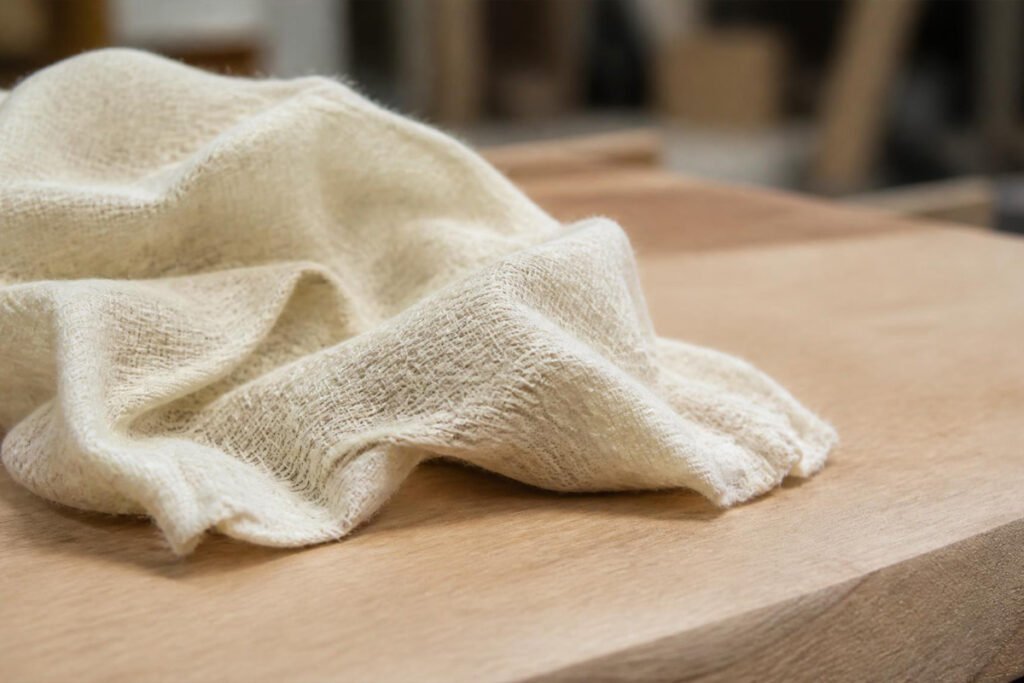
A tack cloth is a piece of open-weave cheesecloth-style fabric impregnated with a slightly sticky resin. Instead of just brushing dust off a surface the way a dry rag does, the tack cloth’s surface physically grabs fine particles — sanding dust, lint, and airborne debris — and holds onto them rather than redistributing them somewhere else on the piece or into the air where they can resettle.
The “right amount of tack” matters more than it sounds like it should. Too little tack and it behaves like a regular rag, missing fine particles; too much tack and it can leave a faint invisible residue behind that causes adhesion problems or fisheyes in your next coat. This is why purpose-made tack cloths, rather than improvised alternatives, consistently produce better results — the resin formulation is balanced specifically for this job.
It’s the same underlying idea as making sure your compressed air is clean before it reaches your gun — see our guide on inline air filters and moisture traps — except here the contamination risk is dust on the surface itself rather than moisture in the air.
How to Choose the Right Tack Cloth {#how-to-choose}
Ask yourself these three questions before buying:
1. Am I spraying water-based or solvent-based paint? Some tack cloths contain wax or silicone additives that are fine under solvent-based finishes but can cause fisheyes or adhesion problems under water-based paints — look specifically for “wax-free, silicone-free” labeling if you’re using waterborne coatings.
2. What surface am I prepping? Wood, metal, plastic, and automotive panels all pick up and hold dust slightly differently, and higher-tack cloths that work great on wood can occasionally be too aggressive on delicate or already-finished surfaces.
3. How often am I finishing projects? Occasional hobby painters do fine with a small pack; anyone running a regular workflow of multiple projects benefits from buying tack cloths in bulk rather than repurchasing small packs constantly.
If your prep routine also includes sanding, our guide on common spray paint mistakes covers several surface-prep issues that show up as paint problems but actually start at the sanding stage.
Best Tack Cloths for Painting in 2026 {#best-cloths}
1. 3M Tack Cloth (10-Pack) — Best Overall
Overview: The 3M Tack Cloth is one of the most widely used general-purpose tack cloths on the market, and it earns that reputation by working reliably across a wide range of surfaces and paint types without needing project-specific selection.
Approximate Price: Typically listed in the $10–$18 range for a 10-pack.
Key Features:
- Solvent-free formulation, safe for both water-based and solvent-based paint systems
- Effective on wood, metal, plastic, and fiberglass surfaces
- Light, well-balanced adhesive minimizes drag marks during wipe-down
- Stays dry and soft-feeling even with repeated handling
Best For: General DIY furniture, trim, cabinetry, and craft projects where you don’t want to think too hard about compatibility.
Pros: ✅ Genuinely versatile across surface types and paint chemistries ✅ Well-balanced tack level avoids the residue problems some cheaper cloths cause ✅ Trusted, widely available brand with consistent quality between packs
Cons: ❌ Not marketed specifically for automotive-grade work, where some painters prefer a dedicated automotive line ❌ Standard pack size may be excessive for a single small project
Our Verdict: Based on manufacturer specifications and widely echoed feedback across DIY and finishing communities, this is the tack cloth most people should default to unless they have a specific reason to choose something more specialized. It solves the core problem — dust removal without residue — reliably enough to be the safe first purchase for almost any project.
2. TCP Global Pure Blue Superior Tack Cloths — Best for Automotive Work
Overview: Built and marketed specifically for automotive refinishing, this tack cloth line is designed around the tighter tolerance for contamination that clear coats and base coats demand, where even a small amount of trapped dust is far more visible than on a matte furniture finish.
Approximate Price: Typically listed in the $12–$25 range for a box of 6.
Key Features:
- Professional-grade formulation aimed at automotive painters
- Designed to remove dust and sanding particles without leaving residue
- Soft cotton mesh material that contours to curved panel shapes
- Available in multiple box sizes for shop-volume use
Best For: Automotive panels, clear coat prep, and any project where a visible speck under the finish is unacceptable.
Pros: ✅ Purpose-built for the tighter standard automotive finishing demands ✅ Mesh material conforms well to curved body panels, not just flat surfaces ✅ Available in larger box sizes for shops going through cloths quickly
Cons: ❌ Priced higher than general-purpose options for a comparable pack size ❌ More capability than most furniture or craft projects actually need
Our Verdict: For anyone doing serious automotive work where a single dust speck under a clear coat means redoing an entire panel, the extra confidence this line is built specifically for that standard is worth the modest price premium over a general-purpose cloth.
3. Dura-Gold Pure Gold Superior Tack Cloths — Best for Woodworking & Furniture
Overview: Dura-Gold’s tack cloths are a professional-grade staple in woodworking and furniture finishing shops, positioned similarly to the TCP Global line but with a formulation and following specifically built around wood finishing rather than automotive panels.
Approximate Price: Typically listed in the $10–$20 range for a box of 6, with larger 12- and 36-count boxes available at a lower per-cloth cost.
Key Features:
- Professional-grade formulation for woodworking and painting
- Removes dust and sanding particles effectively across wood grain and joinery
- Available in multiple box sizes (6, 12, or 36-count) to match shop volume
- Consistent quality across batches, a common complaint point for cheaper alternatives
Best For: Cabinet doors, furniture refinishing, trim work, and any project with wood grain or joinery where dust likes to hide in crevices.
Pros: ✅ Purpose-suited to wood finishing where grain and joints trap more dust than flat panels ✅ Multiple box sizes make it easy to buy at the right volume for your project scale ✅ Strong reputation specifically within woodworking and furniture-refinishing communities
Cons: ❌ No particular advantage over general-purpose cloths on non-wood surfaces ❌ Higher per-cloth cost than bulk generic options if you only need a handful
Our Verdict: This is the sensible pick for anyone whose projects are primarily wood-based — cabinet doors, furniture, trim — where the reputation this line has built specifically in woodworking circles reflects real fit for the material, not just general marketing.
4. LAUCO Prep-Wipes Tack Rags — Best Anti-Static / Sensitive Finish Option
Overview: LAUCO’s tack rags are built around a micro-aperture fabric structure specifically engineered to trap fine particles, with an explicit anti-static claim that matters most on plastic and freshly sanded surfaces, which tend to attract dust right back after a standard wipe-down.
Approximate Price: Typically listed in the $12–$20 range for a 12-pack.
Key Features:
- Micro-aperture fabric designed to trap and hold fine contaminants
- Explicitly wax-free and silicone-free
- Anti-static properties to reduce dust re-attraction after wiping
- Compatible with waterborne and solvent paints, lacquers, and finishes
Best For: Plastic parts, freshly sanded surfaces prone to static buildup, and painters specifically concerned about residue risk under waterborne finishes.
Pros: ✅ Anti-static claim addresses a real, specific problem other cloths don’t market directly ✅ Explicit wax/silicone-free labeling removes guesswork for waterborne paint compatibility ✅ Micro-aperture design is built around fine-particle capture rather than general dust
Cons: ❌ Smaller brand with a shorter track record than 3M or TCP Global ❌ Premium positioning means a higher per-cloth cost than bulk generic alternatives
Our Verdict: If static-attracted dust has been a recurring, specific frustration — especially on plastic parts or in a dry climate — this is the option purpose-built to address that exact issue rather than general dust removal alone.
5. Gramos Tak Rags (50-Pack) — Best Budget Bulk Pick
Overview: The Gramos Tak Rag is a general-purpose tack cloth sold in large bulk-slab packaging, aimed at shops and frequent painters who go through cloths quickly and don’t want to keep repurchasing small boxes.
Approximate Price: Typically listed in the $25–$40 range for a 50-pack, working out to a noticeably lower per-cloth cost than boxed alternatives.
Key Features:
- Compatible with all modern paint finishes
- Resin-impregnated for standard dust and contamination capture
- Bulk slab packaging designed for quick, repeated grab-and-use access
- Lower cost per individual cloth than smaller boxed options
Best For: Busy home shops, frequent hobby painters, and anyone tired of running out mid-project.
Pros: ✅ Lowest per-cloth cost of any option on this list by a meaningful margin ✅ Bulk packaging means you’re not rationing cloths across a big project ✅ General-purpose compatibility covers most common paint types
Cons: ❌ Doesn’t offer the automotive- or wood-specific formulation refinements of the specialized picks above ❌ Bulk-slab packaging is less protective long-term than individually wrapped cloths if stored for extended periods
Our Verdict: For anyone who treats tack cloths as a routine consumable rather than a specialty product, buying in this kind of bulk quantity meaningfully cuts cost per project without giving up the core function.
Comparison Table {#comparison-table}
| Tack Cloth | Best For | Pack Size | Approx. Price | Wax/Silicone-Free |
|---|---|---|---|---|
| 3M Tack Cloth | General all-purpose use | 10-pack | $10–$18 | Yes |
| TCP Global Pure Blue | Automotive panels & clear coats | Box of 6 | $12–$25 | Yes |
| Dura-Gold Pure Gold | Woodworking & furniture | Box of 6/12/36 | $10–$20 | Yes |
| LAUCO Prep-Wipes | Anti-static, sensitive finishes | 12-pack | $12–$20 | Yes |
| Gramos Tak Rags | High-volume/bulk use | 50-pack | $25–$40 | Yes |
Prices fluctuate by retailer and current promotions — treat these as general ranges rather than fixed figures.
Best Tack Cloths for Different Projects {#by-project}
Furniture & Cabinetry
Dura-Gold or the general-purpose 3M cloth both handle wood grain and joinery well — pair either with a proper drying rack once the piece is prepped and sprayed.
Automotive Panels & Clear Coats
TCP Global’s automotive-specific line is worth the small premium here, especially combined with the inline air filtration covered in our compressed-air guide — clean air and a clean surface solve two different halves of the same fisheye problem.
Plastic Parts & Static-Prone Surfaces
LAUCO’s anti-static formulation directly addresses the recurring problem of dust re-settling on plastic parts seconds after wiping, which standard cloths don’t fully solve.
How to Use a Tack Cloth Correctly {#how-to-use}
Step 1: Sand and Remove Bulk Dust First
Vacuum or blow off loose sanding dust before reaching for the tack cloth — it’s designed for fine residual particles, not bulk debris.
Step 2: Unfold and Air Out the Cloth
Fully open a new tack cloth and let it air out for a minute or two before use; this activates the tack level as intended rather than using it straight from tight packaging.
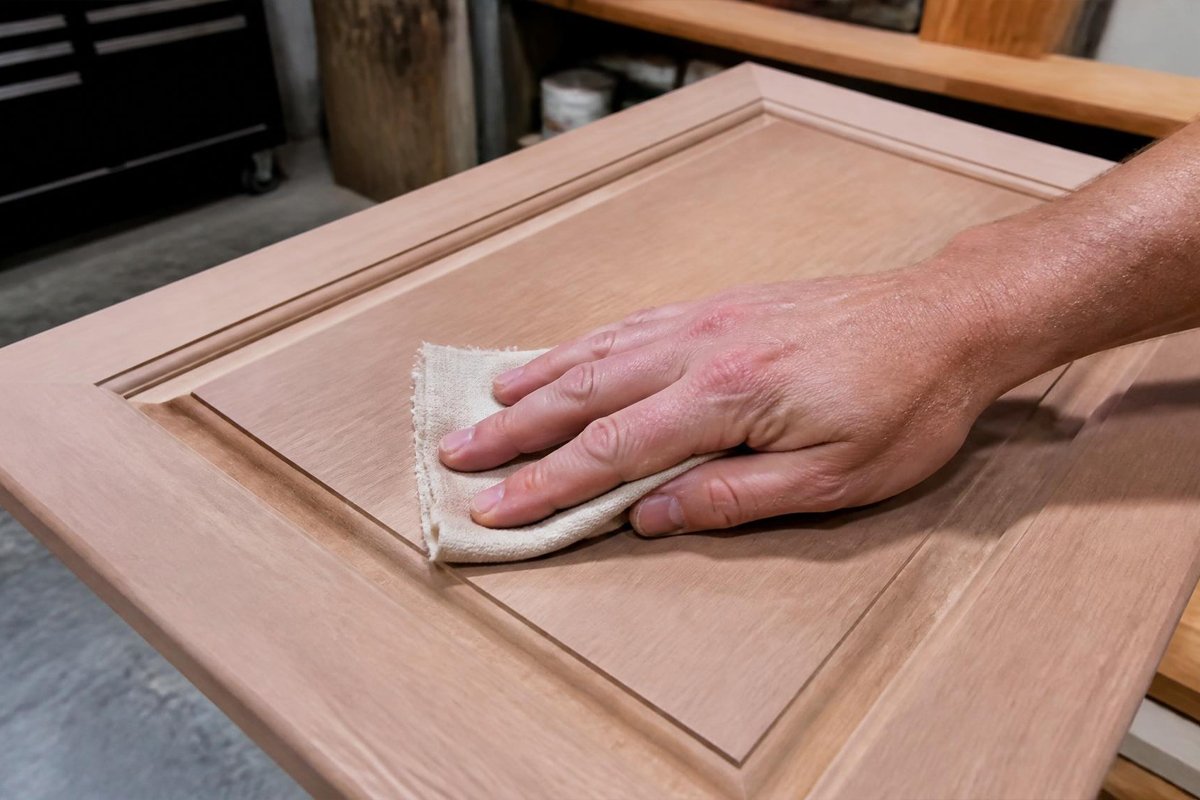
Step 3: Wipe with Light, Sweeping Motions
Use gentle, sweeping strokes rather than heavy pressure — excessive pressure can transfer resin residue onto the surface instead of lifting dust off it.
Step 4: Rotate to a Clean Section as It Soils
Turn the cloth to a fresh section once an area becomes visibly dusty, rather than continuing to use an already-loaded section.
Step 5: Wipe Immediately Before Spraying
Do this step as close to spray time as practical — a surface wiped down hours earlier can pick up new dust before you actually spray it.
Common Mistakes {#common-mistakes}
1. Using a regular rag instead of a tack cloth. A standard cloth mostly redistributes fine dust rather than removing it, and static charge on freshly sanded surfaces actively pulls loose particles right back.
2. Wiping down too far ahead of spray time. Prepping a surface and then waiting hours before spraying gives ambient dust time to resettle — treat tack-cloth wipe-down as the very last step before you pick up the gun.
3. Using excessive pressure or a saturated section of the cloth. Both can leave faint resin residue behind, which shows up later as adhesion issues or subtle finish defects, similar to other setup pitfalls covered in our common spray paint mistakes guide.
Expert Tips {#expert-tips}
Store opened tack cloths in a sealed bag between uses. An exposed cloth left out in open air collects ambient dust itself and loses effectiveness faster than one kept sealed.
Wipe in the direction of any wood grain, not across it. This reduces the chance of pushing dust into open grain lines rather than lifting it out, particularly relevant on open-grain woods before staining or clear coating.
Don’t skip the tack cloth between coats, not just before the first one. Dust settles on drying coats too, and a quick wipe between coats — once fully dry and before the next application — prevents the same nib and speck problems mid-project.
Final Verdict {#final-verdict}
- Best Overall: 3M Tack Cloth (10-Pack) — the safe, versatile default for almost any project.
- Best for Automotive Work: TCP Global Pure Blue Superior Tack Cloths — built for the tighter tolerance clear coats demand.
- Best for Woodworking & Furniture: Dura-Gold Pure Gold Superior Tack Cloths — a genuine favorite in furniture-refinishing circles.
- Best Anti-Static Option: LAUCO Prep-Wipes Tack Rags — purpose-built for plastic and static-prone surfaces.
- Best Budget Bulk Pick: Gramos Tak Rags (50-Pack) — the lowest per-cloth cost without giving up core function.
Whichever you choose, it’s a five-minute step that protects everything else in your process — check our guides on inline air filtration, booth ventilation, and drying racks to make sure the rest of your workflow supports a genuinely dust-free finish from prep through cure.
Frequently Asked Questions {#faq}
Do I really need a tack cloth, or is a damp microfiber cloth enough? A damp cloth can help with larger debris but doesn’t have the resin-based grip that lifts fine sanding dust the way a tack cloth does, and introduces moisture onto a surface right before painting, which brings its own risks.
How many times can I reuse a tack cloth? Most tack cloths are designed to be used until visibly saturated with dust, then discarded — they’re generally treated as a low-cost disposable rather than a long-term reusable tool.
Can a tack cloth leave residue that causes fisheyes? Yes, if too much pressure is used or a cloth with excessive tack is chosen for a sensitive finish — this is why wax-free, silicone-free labeling and light wiping pressure both matter.
Do I need a different tack cloth for water-based versus solvent-based paint? Not necessarily a different cloth, but you do need to confirm wax-free and silicone-free labeling specifically for water-based paints, since some older or lower-quality tack cloths contain additives that cause adhesion problems under waterborne finishes.
Should I use a tack cloth between coats, or just before the first coat? Between coats too — dust settles on a drying surface just as easily as an unfinished one, and a light wipe before each subsequent coat prevents the same dust-nib problem from recurring layer after layer.
Can I use a tack cloth on metal or plastic, or is it just for wood? Most general-purpose tack cloths work across wood, metal, and plastic; the difference between product lines is more about tack level and finish sensitivity than surface material compatibility.
Is a more expensive tack cloth actually better, or is it marketing? For general furniture and craft work, a mid-range general-purpose cloth performs fine; the premium in automotive- or wood-specific lines reflects a genuinely tighter tolerance for residue and consistency that matters more as the finish standard gets higher.
How long does an unopened tack cloth stay usable in storage? Most tack cloths have a reasonably long shelf life if kept in original sealed packaging, though tack level can diminish over very long storage periods — check the specific product’s packaging guidance.
Author: Rodney Shiner Last Updated: July 2026