
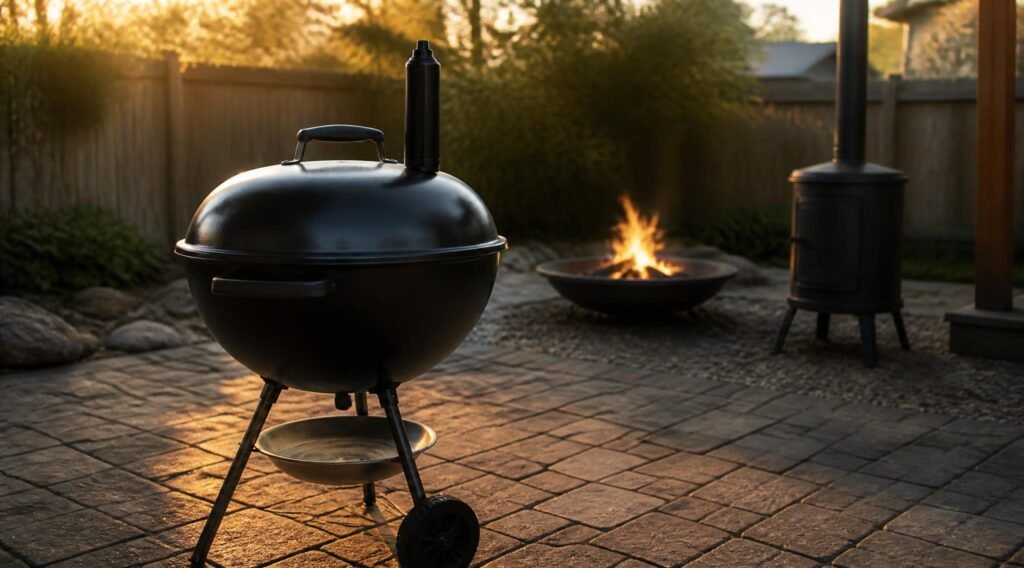
Picking the right high heat spray paint is not the same as picking a normal can of spray paint. Regular enamel will blister, discolor and flake off the first time a grill, stove or engine part gets properly hot. A true high heat spray paint is built to survive that temperature, but the products on the shelf vary a lot. Some are rated for 500°F, some for 1200°F, and a few for 2000°F, and each one asks for a different cure schedule.
In this guide we compare the 5 best high heat spray paint options for grills, fire pits, wood stoves, radiators, engine bays and exhaust parts. We went through manufacturer technical data, product labels and real buyer feedback to see where each can fits best, and where it does not. If you only need a fast answer, the comparison table below will point you to the right can in about a minute.
What You Will Find in This Guide
- Quick picks and comparison table
- How to choose the best high heat spray paint
- The 5 best high heat spray paints, reviewed
- How to apply high heat spray paint
- Common mistakes that ruin the finish
- High heat spray paint FAQs
- Final verdict
Quick Comparison: Best High Heat Spray Paint (2026)
Here is how the five picks stack up. Temperature figures come from the manufacturers. “Intermittent” means short exposure to peak heat, not constant exposure.
| Product | Max Temperature | Best For | Dry to Touch |
| Rust-Oleum Specialty High Heat Ultra | 1200°F | Best overall, grills and stoves | About 30 minutes |
| Krylon High Heat Max | 1200°F intermittent, 600°F continuous | Grills, fire pits, fireplace screens | 10 minutes or less |
| VHT FlameProof Coating | Up to 2000°F intermittent | Exhaust headers and manifolds | Needs a full heat cure |
| Rust-Oleum Specialty High Heat (Flat) | 1200°F | Budget flat finish on metal | About 30 minutes |
| Dupli-Color Engine Enamel with Ceramic | 500°F intermittent | Engine blocks and under-hood parts | About 30 minutes |
Quick takeaways: pick Rust-Oleum High Heat Ultra if you want one dependable can for most home projects, Krylon High Heat Max if you want the fastest dry time, VHT FlameProof if the part gets extremely hot, and Dupli-Color if you are only painting an engine bay.
How to Choose the Best High Heat Spray Paint
Before you buy any high heat spray paint, it helps to understand four things: the temperature rating, the surface, the finish and the cure. Getting these right matters more than the brand name on the can.
1. Match the Temperature Rating to the Part
Every high heat spray paint has a maximum temperature, and the number only makes sense when you know how hot your part actually gets. As a general guide:
- Engine blocks, valve covers and brackets: usually stay below 500°F, so an engine enamel is enough.
- Grill exteriors, fire pits, wood stoves, radiators and fireplace screens: need a 600°F to 1200°F rated paint, depending on how close they sit to the flame.
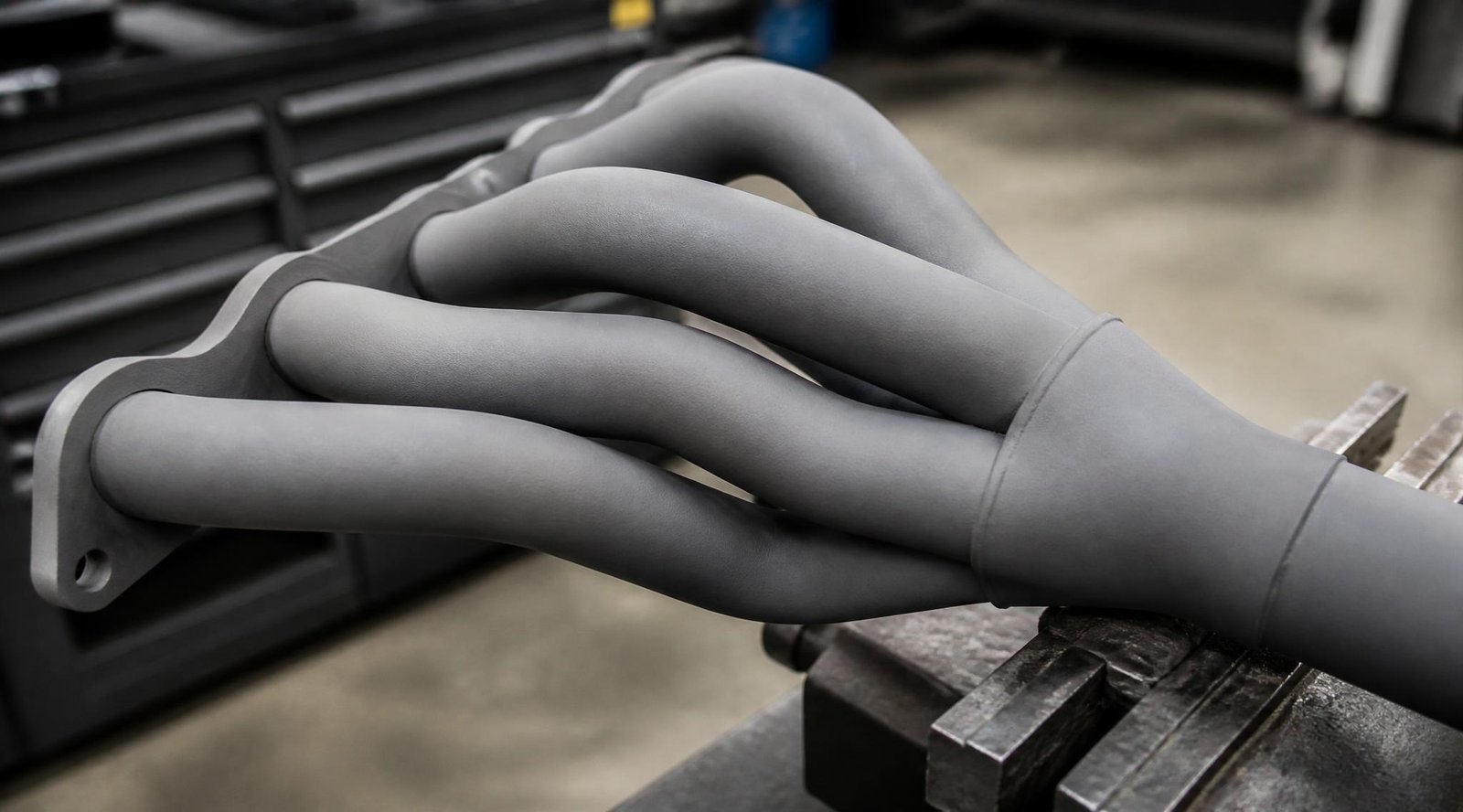
- Exhaust headers, manifolds and turbo housings: can climb well past 1000°F, which is where a ceramic-based coating rated up to 2000°F makes sense.
Also read the fine print. Krylon, for example, rates its High Heat Max line at 1200°F intermittently but 600°F continuously. That difference matters on a part that stays hot for hours, such as a wood stove body. Rated temperature is a ceiling, not a recommendation to run at that ceiling every day.
2. Check the Surface
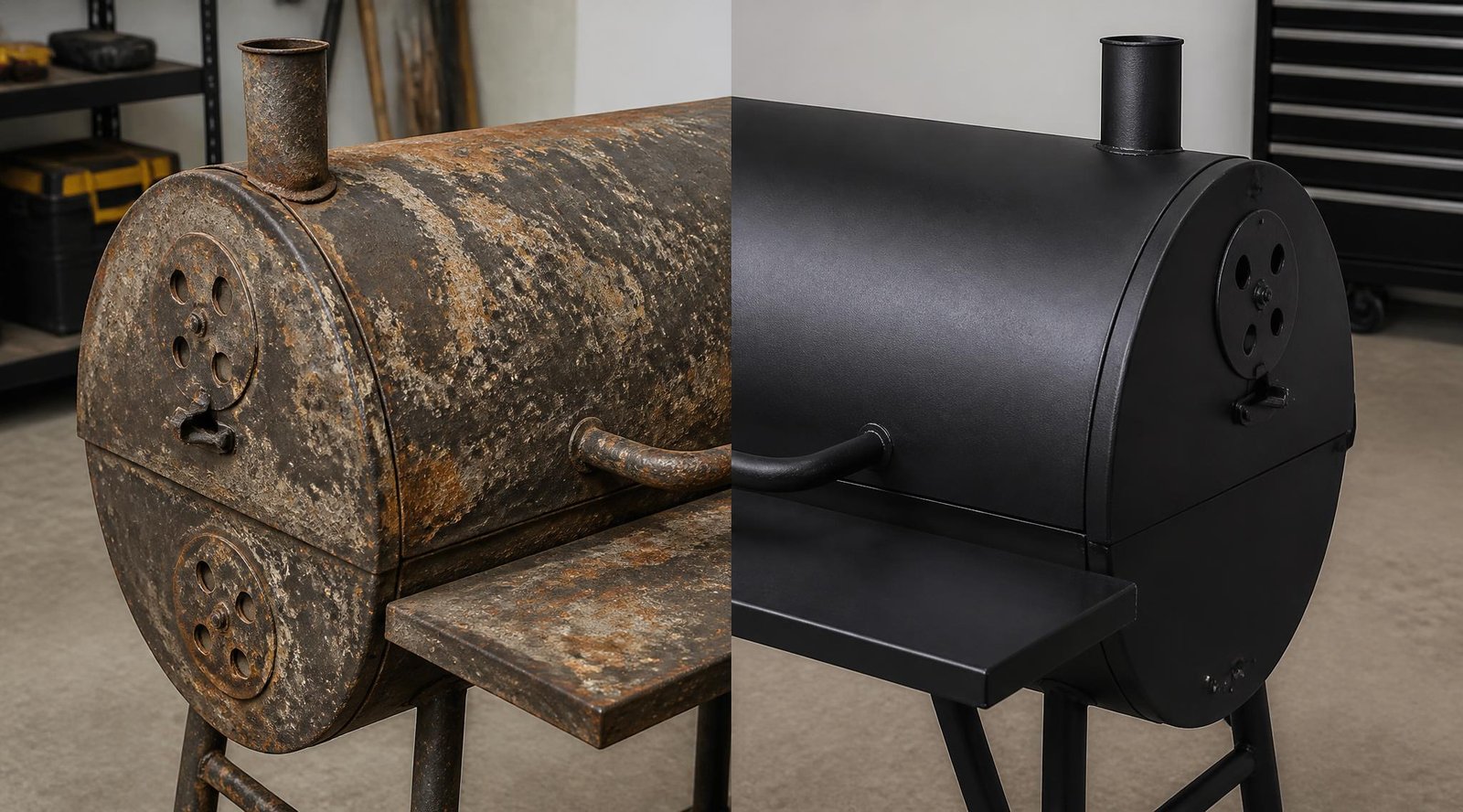
Almost all high heat spray paint is designed for bare or well-prepared metal. Cast iron, steel and aluminum are the most common surfaces. Rust, grease and old flaking paint are the main reasons high heat coatings fail early, so plan on cleaning and scuffing the surface before you spray. If you are also painting other metal items around the house, our guide to the best spray paint for metal covers the standard options. High heat coatings are made for metal, so for plastic trim, handles or other non-metal parts near your project, use our guide to the best spray paint for plastic instead.
3. Pick the Right Finish
Most high heat spray paint dries to a flat or satin finish, because gloss tends to show heat marks and surface flaws faster. Flat black is the classic choice for grills and stoves. Aluminum and copper are popular for decorative fire pits and fireplace screens. Engine enamels are usually glossier because they are meant to look like a restored engine bay.
4. Understand Curing
This is the step most people skip, and it is the biggest reason a good high heat spray paint fails. Many of these products only reach their full heat resistance after a heat cure, where you warm the painted part in stages. Rust-Oleum recommends curing High Heat Ultra at 450°F for one hour. VHT has a multi-step schedule that steps up to 650°F. Always follow the instructions printed on your specific can, because cure temperatures differ between product lines.
5. Remember the Safety Limits
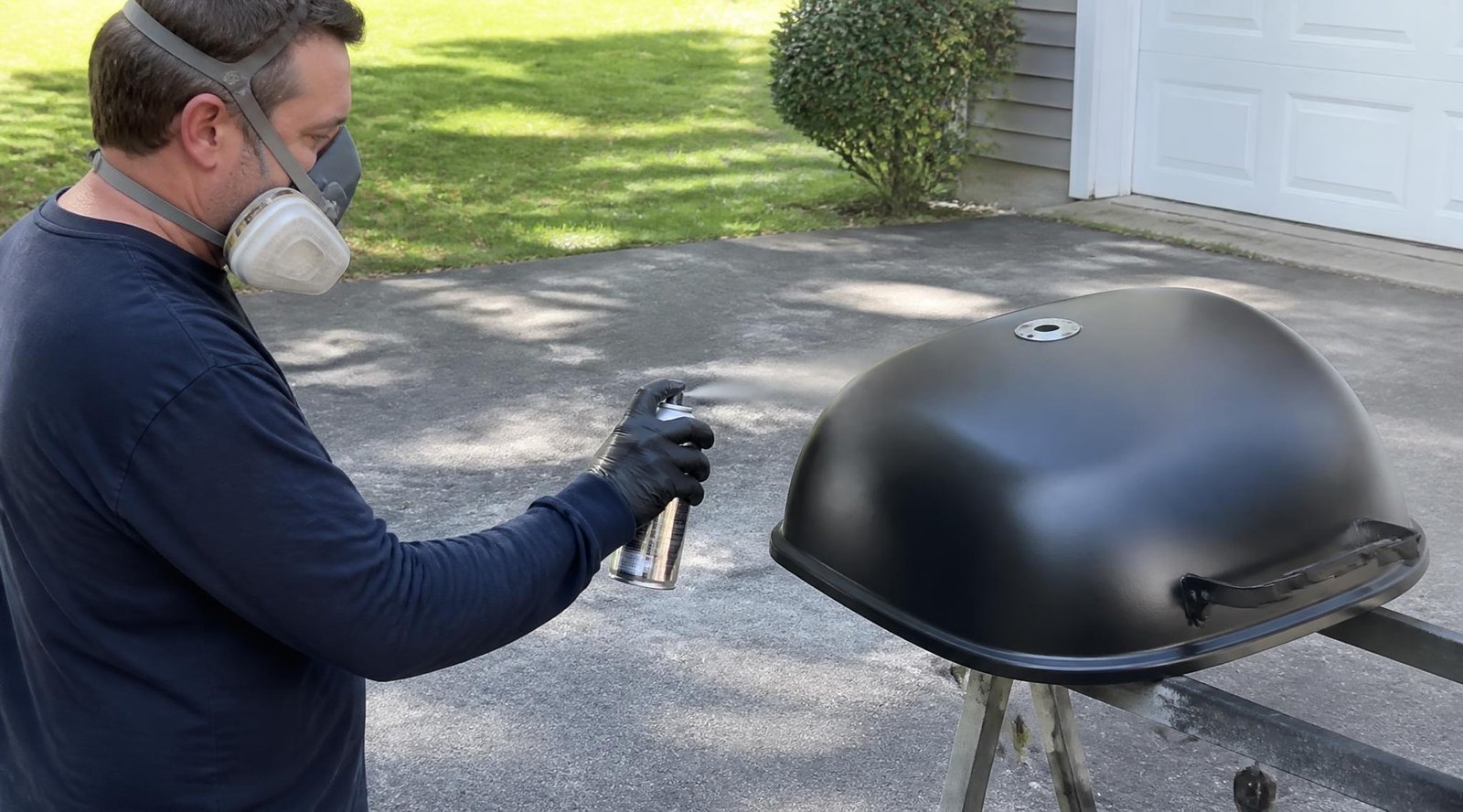
High heat spray paint is not food safe. Krylon states plainly that its High Heat Max is not for use on cooking surfaces, so never paint cooking grates or the inside of a cooking chamber where food touches. Spray outdoors or in a well-ventilated space and wear a proper respirator, since these are solvent-based paints.
The 5 Best High Heat Spray Paints, Reviewed
1. Rust-Oleum Specialty High Heat Ultra: Best Overall High Heat Spray Paint
Rust-Oleum High Heat Ultra is the can we would reach for first on most home projects. It is a rust-preventive enamel made for both indoor and outdoor high-temperature surfaces, and it is rated for temperatures up to 1200°F. The finish is a durable semi-gloss with deep color, which looks better on a refreshed stove or fireplace insert than a dead-flat coat.
According to the product information, it dries to the touch in about 30 minutes and is ready to handle in one to two hours. The technical data sheet asks you to let the paint dry for one hour before any heating, and Rust-Oleum recommends a heat cure at 450°F for one hour for the best performance. Buyer feedback follows that pattern. People who cured it properly report good adhesion and long wear on fire boxes and fireplace doors, while a few note that a lightly cured coat can still wipe off a little, which is a reminder that the cure step is not optional.
Pros
- Rated up to 1200°F for most household heat projects
- Semi-gloss finish with rich color
- Works indoors and outdoors
- Widely available in hardware stores
Cons
- Needs a proper heat cure for full performance
- Coated parts should not touch each other while curing
Best for: wood stoves, fireplace parts, grill exteriors, radiators and general metal that sees high heat.
2. Krylon High Heat Max: Best for Grills and Fire Pits
Krylon High Heat Max is built for outdoor metal that gets hot and wet. It withstands temperatures up to 1200°F intermittently and 600°F continuously, and Krylon says it is meant for grills, barbecues, fire pits, fireplace screens, wood-burning stoves and heating radiators. It is a paint and primer in one, so you can go straight to the surface after cleaning, and it is one of the fastest-drying options here: Krylon lists dry to touch in 10 minutes or less and dry to handle after one hour.
Krylon gives clear application guidance, which we like. The best results come when the air temperature is between 55°F and 75°F with humidity below 60%. Coverage is up to 20 square feet per 12-ounce can, and the recoat window for the black version is before 4 hours or after 7 days, while the copper and aluminum versions can be recoated at any time. That recoat window is easy to miss, so mark the time on the can when you start. Owners who painted older kettle-style grills and fire pits report that the finish holds up through repeated burns and rain.
Pros
- Very fast dry to touch
- Paint and primer in one formula
- Available in black, aluminum and copper
- Clear temperature, coverage and recoat guidance
Cons
- 600°F continuous rating is lower than its 1200°F peak
- Black has a strict recoat window
- Not for cooking surfaces
Best for: grill bodies, fire pits, fireplace screens and outdoor metal. You can read more on the Krylon High Heat Max product page.
3. VHT FlameProof Coating: Best High Heat Spray Paint for Extreme Temperatures
When a part runs much hotter than a grill or stove, standard high heat spray paint is not enough. VHT FlameProof is a silicone ceramic-based coating with a matte finish, and VHT says it withstands intermittent temperatures from 1300°F up to 2000°F. It is widely used on exhaust headers, collectors, manifolds, exhaust pipes, mufflers, turbo housings and downpipes.
This is a coating system rather than a single can. VHT recommends a primer (the SP100 gray or SP118 white), then your color coat, then an optional satin clear (SP115). Colors include flat black, white, silver, red, blue, orange, aluminum and a cast iron look. Surface prep is strict: remove loose paint and rust, clean with a grease and wax remover, and scuff with a red abrasive pad until the metal looks bright. Aluminized and galvanized pipes must be sandblasted and cleaned first.
The cure is where this product can go wrong. VHT only reaches its rated performance after correct curing. Off the vehicle, the paint must be completely dry, then you heat it to 250°F for 30 minutes, cool for 30, heat to 400°F for 30, cool for 30, and finally heat to 650°F for 30 minutes. On the vehicle, the schedule uses idle and cool-down cycles. Buyer reviews show that people who skip or rush these steps tend to be the ones who report peeling, while people who follow them describe a tough, long-lasting finish on headers and manifolds. You can find the full instructions on the VHT FlameProof product page.
One more detail: VHT also sells FlameProof in quart cans that are formulated for HVLP spray guns. If you plan to coat a large set of parts that way, our comparison of HVLP vs airless paint sprayers will help you choose the right setup.
Pros
- Rated up to 2000°F intermittent, the highest on this list
- Complete system: primer, color and clear
- Used on exhaust and turbo components
Cons
- Costs noticeably more than standard high heat spray paint
- Strict prep and a long multi-step cure
- Matte finish only, apart from the satin clear
Best for: exhaust headers, manifolds, mufflers and turbo housings.
4. Rust-Oleum Specialty High Heat (Flat): Best Budget Pick
The standard Rust-Oleum Specialty High Heat is the simpler, cheaper sibling of the Ultra. It is an oil-based, rust-preventive enamel rated up to 1200°F with a flat finish, and Rust-Oleum lists it for grills, wood-burning stoves, radiators, engines and other metal items. Retail listings show it is fast drying, with about 30 minutes to touch and one hour before recoating, and that no primer is required. It is also UV resistant, can be sprayed upside down for clean-out, and cleans up with mineral spirits or xylene.
Pricing is the main draw. At most hardware stores a 12-ounce can usually lands somewhere around $9 to $17 depending on the color and retailer, which makes it the easiest way to refresh several small metal pieces without spending much. The caveat is that retailers describe the cure differently. Some listings say to heat the surface to 300°F after drying, while Rust-Oleum’s own guidance for temperatures above 500°F says to heat cure at 450°F for an hour. Read the label on the can in your hands and follow that.
Pros
- Low price per can
- Rated up to 1200°F
- No primer needed on prepared metal
- Flat finish hides minor surface flaws
Cons
- Flat finish only
- Cure guidance varies between listings, so check the can
Best for: small grill parts, fireplace tools, brackets and budget refreshes.
5. Dupli-Color Engine Enamel with Ceramic: Best for Engine Bays
Dupli-Color Engine Enamel is the most specialized pick here and the one most likely to be misused, so it is worth being clear. It is rated to 500°F intermittently, which is plenty for an engine block, valve covers, brackets, springs and shocks, but far too low for exhaust parts or a grill. It uses ceramic resins to help with heat dissipation and gloss retention, and it resists oil and other automotive fluids.
The product information lists dry to touch in 30 minutes and ready to handle in one hour, and it uses Dupli-Color’s EZ Touch nozzle. Buyers regularly praise how smoothly it lays down and how well the color holds through heat cycles on restored engines, though a few complain that the nozzle can spray in a round blob instead of a fan. One more practical note: Dupli-Color customer support says engine enamel is not the best choice for brake calipers, and that dedicated caliper paint holds up better against brake dust. If your project is calipers, buy the caliper version.
Pros
- Wide range of engine colors
- Resists oil and automotive fluids
- Quick dry and an easy-to-aim nozzle
Cons
- 500°F limit makes it unsuitable for grills, stoves or exhaust
- Not recommended for brake calipers
Best for: engine blocks, valve covers and under-hood accessories.
How to Apply High Heat Spray Paint for a Finish That Lasts
Even the best high heat spray paint will fail on a poorly prepared part. These steps work for nearly every product above. For general spraying skills, our guide to spray paint techniques for a professional finish goes deeper.
- Clean the part. Remove grease, soot and food residue with a degreaser, then rinse and let it dry completely.
- Remove rust and loose paint. Use a wire brush or sandpaper until you reach solid metal. Previously coated surfaces must be sound.
- Mask what you do not want painted. Cover nearby surfaces, gaskets and any cooking surfaces.
- Prime if the product calls for it. VHT recommends its own primer. Krylon High Heat Max and the Rust-Oleum cans listed here are used without a separate primer.
- Shake the can well. Shake for at least a minute after the ball starts rattling.
- Spray in light coats. Hold the can upright about 10 to 16 inches from the surface (VHT suggests 8 to 10 inches) and use steady, overlapping passes.
- Respect the recoat window. This is especially important for Krylon black.
- Let the paint dry fully before heating. Rust-Oleum asks for at least an hour.
- Cure with heat. Follow the exact schedule on your can so the coating reaches its rated resistance.
Work in the temperature range the manufacturer gives. Krylon, for example, suggests 55°F to 75°F and humidity below 60%. Spraying in cold or damp air is a common reason for a cloudy or weak finish.
Common Mistakes With High Heat Spray Paint
- Skipping the cure. Heat resistance is not instant. If you fire up the grill or stove right after painting, you risk flaking and smoke.
- Using the wrong temperature class. An engine enamel on an exhaust manifold will not survive. Match the rating to the part.
- Painting over rust or grease. The coating can only bond to a clean surface.
- Spraying thick coats. Heavy coats run, trap solvent and then blister under heat.
- Painting cooking surfaces. These paints are not food safe, so keep them off grates and anything that touches food.
- Letting freshly painted parts touch. Parts can stick together during the first heat cycle.
If you also plan to refresh outdoor furniture or patio pieces near your grill area, see our best spray paint for outdoor furniture guide, since those surfaces need a standard weatherproof paint rather than a high heat formula.
High Heat Spray Paint FAQs
What is the best high heat spray paint for a grill?
For the outside of a grill, Krylon High Heat Max and Rust-Oleum High Heat Ultra are both strong choices. Krylon dries faster, while Rust-Oleum gives a semi-gloss finish. Neither should be used on cooking surfaces.
Can I use high heat spray paint on grill grates?
No. Manufacturers such as Krylon state their high heat paints are not for use on cooking surfaces. Use the paint on the body, lid and frame only.
Do I need primer under high heat spray paint?
It depends on the product. Krylon High Heat Max is paint and primer in one, and the Rust-Oleum cans in this guide list no primer required. VHT FlameProof recommends its own primer for best results.
How long does high heat spray paint take to cure?
Drying and curing are two different steps. Many products dry to the touch in 10 to 30 minutes, but full heat resistance only comes after a heat cure. Rust-Oleum High Heat Ultra recommends 450°F for one hour, and VHT FlameProof uses a staged schedule that goes up to 650°F. Always follow the label.
Can I use regular spray paint instead of high heat spray paint?
Not on anything that gets truly hot. Standard spray paint is not formulated for repeated heating and cooling and will typically blister, discolor or peel. A real high heat spray paint exists for exactly this reason.
Is high heat spray paint safe to use on brake calipers?
Use a paint made for calipers. Dupli-Color support says its engine enamel does not hold up well on calipers and recommends caliper paint, which resists brake dust better.
How many coats of high heat spray paint do I need?
Two light coats are common, applied within the recoat window on the label. Thin coats cure more evenly than one heavy coat and are less likely to run or blister.
Final Verdict: Which High Heat Spray Paint Should You Buy?
The best high heat spray paint depends on how hot your part gets. For most households, Rust-Oleum High Heat Ultra is the safest all-round pick, with a 1200°F rating and a good-looking semi-gloss finish. If you want speed and outdoor durability for a grill or fire pit, Krylon High Heat Max is hard to beat. For exhaust parts that run extremely hot, VHT FlameProof is the one that is actually built for it. If you are painting several small pieces on a budget, the flat Rust-Oleum Specialty High Heat keeps costs low, and Dupli-Color Engine Enamel is the right choice for a clean, glossy engine bay.
Whichever can you choose, the result depends on three habits: clean the metal properly, spray thin coats, and complete the heat cure. Do those well and a $10 can of high heat spray paint can keep a stove, grill or engine looking good for years.