
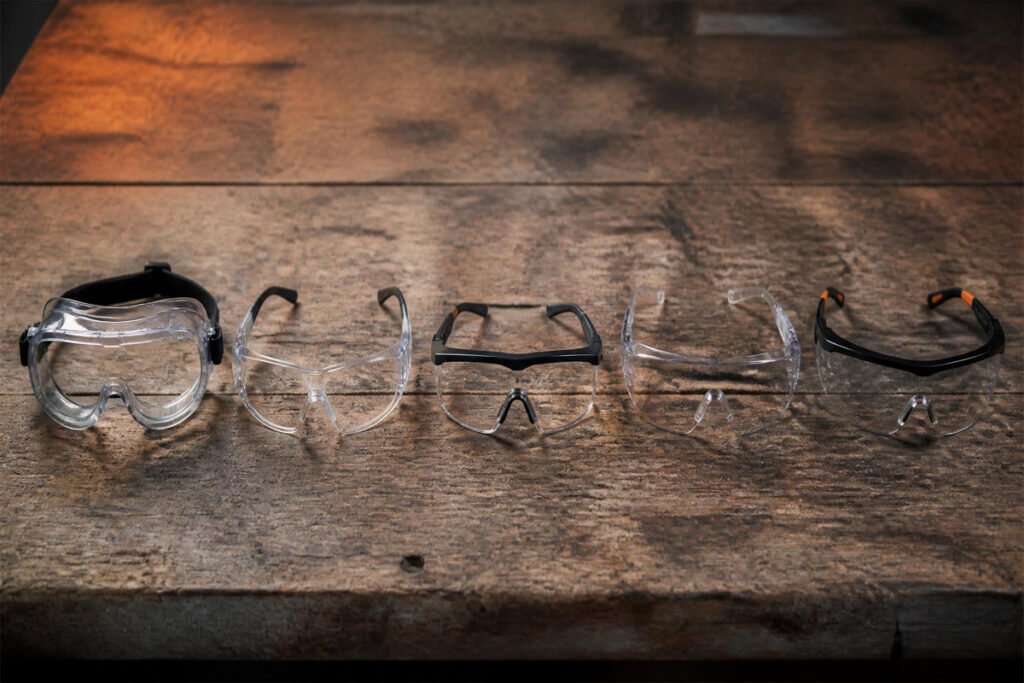
You’ve got the respirator on, the coveralls zipped up, and the spray gun dialed in — but if you’re wearing regular glasses or nothing at all over your eyes, you’ve left the single most sensitive part of your body completely exposed. Overspray mist doesn’t just hang in the air for your lungs to deal with; it settles on any surface it touches, and your eyes are no exception. A stray gust from a box fan, a gun held at the wrong angle, or simply working in a tight garage corner is often all it takes for fine aerosol droplets or solvent vapor to reach your eyes and cause real irritation or worse.
Most home painters treat eye protection as an afterthought next to the respirator, but the two jobs are completely different. A respirator filters what you breathe; goggles or glasses create a physical seal (or barrier) against liquid droplets and airborne irritants reaching your eyes directly. For the full picture of everything else your setup needs, our complete spray painting safety guide covers ventilation, skin protection, and fire safety alongside eye protection. This guide focuses specifically on what to look for and reviews five real, currently available products that actually hold up to spray painting conditions — not just generic safety glasses pulled off a hardware store shelf.
Why Regular Glasses Aren’t Enough
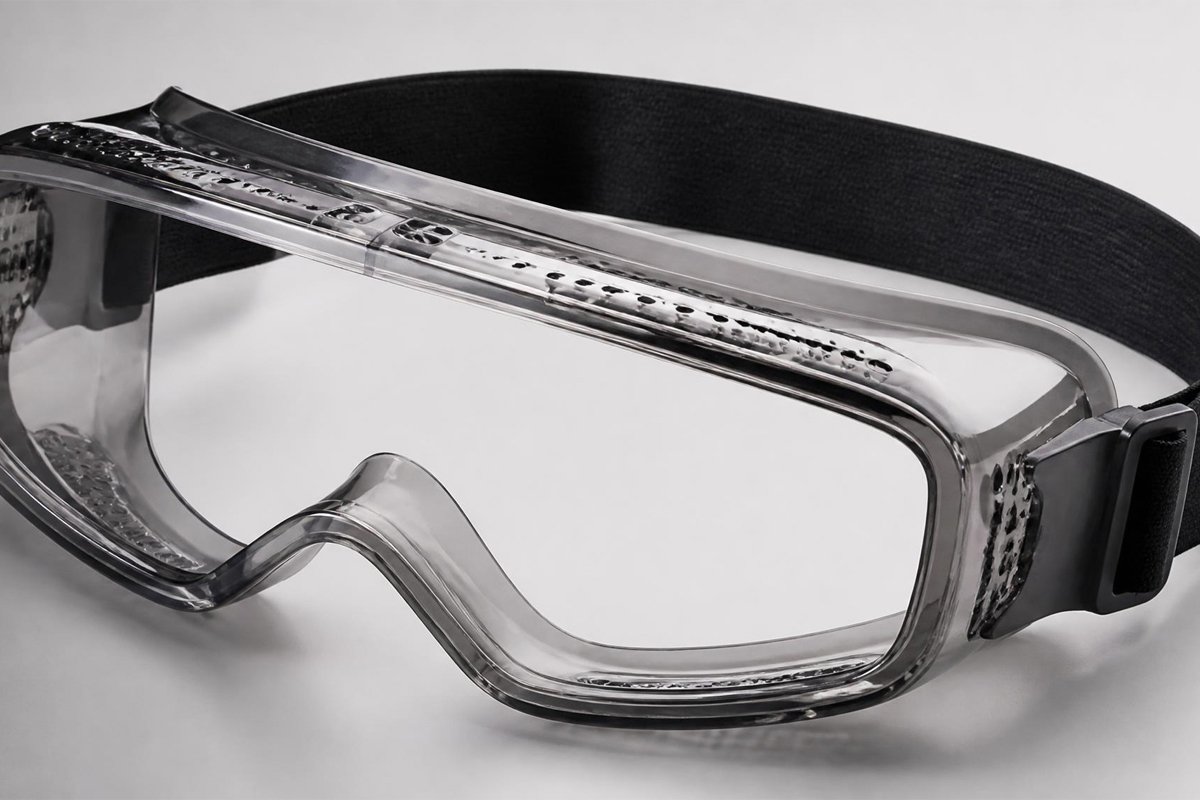
Prescription glasses and open-frame safety glasses leave gaps above, below, and to the sides of the lens. That gap is exactly where fine aerosol mist finds its way in, especially when you’re working overhead (spraying the underside of a shelf or a ceiling fan) or in a cross-breeze from ventilation. For genuine spray painting protection, you need either a sealed goggle that contacts your face on all sides or a snug wraparound design rated for splash and fine particulates, not just flying debris like sawdust or wood chips.
What to Look for When Buying Spray Painting Eye Protection
- ANSI Z87.1 rating — the U.S. baseline certification for impact and splash-resistant eyewear. Any product without it isn’t worth considering for chemical or solvent exposure.
- Anti-fog coating — spray painting means working in an enclosed space with a respirator pushing warm breath upward; without anti-fog treatment, lenses cloud up within minutes.
- Full peripheral seal — a foam or rubber gasket that contacts the skin around the entire eye socket blocks mist far better than a vented, open-frame design.
- Over-the-glasses (OTG) fit — if you wear prescription glasses, look for goggles specifically sized to fit over them without gapping at the temples.
- Compatibility with your respirator — some goggle straps and half-mask respirator straps compete for the same space on the back of the head; test the combination before committing to a full session.
- Lens material — polycarbonate is the standard for impact resistance and is what you’ll find across every product below.
Comparison Table
| Product | Type | Best For | Anti-Fog | Fits Over Glasses |
| 3M GoggleGear 500 Series (GG501SGAF) | Sealed Goggle | Best Overall | Scotchgard coating | Yes |
| DEWALT DPG82 Concealer | Dual-Mold Goggle | Best Budget Pick | Yes | Yes |
| Uvex by Honeywell Stealth (S3960HS) | Sealed Goggle | Best All-Day Comfort | HydroShield coating | Yes |
| Pyramex I-Force Sporty | Dual-Pane Goggle | Best for Long Sessions | Dual-pane anti-fog | Yes |
| SAS Safety 5106 Deluxe Overspray Goggles | Vented Sport Goggle | Best for Overspray-Specific Use | Yes | Limited |
The 5 Best Safety Glasses & Goggles for Spray Painting
1. 3M GoggleGear 500 Series (GG501SGAF) — Best Overall
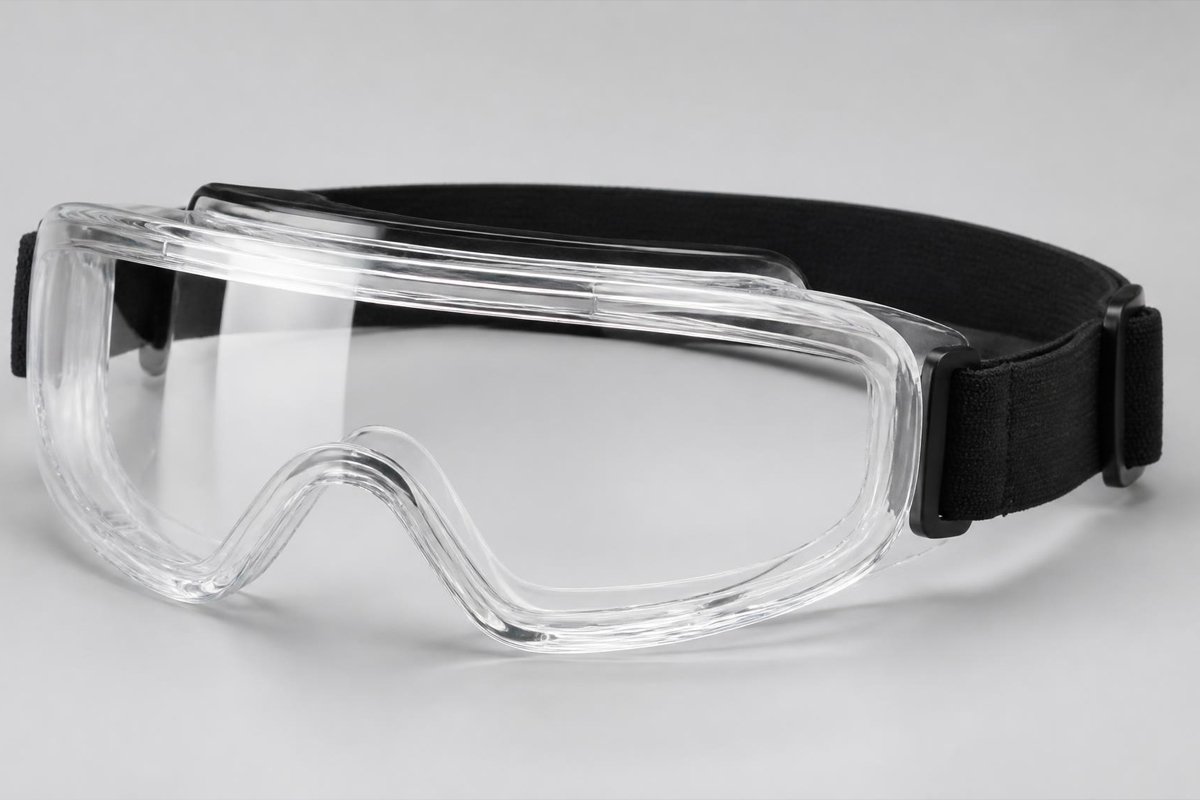
3M’s GoggleGear 500 Series pairs a Scotchgard anti-fog coating with a soft, low-profile frame designed to seal comfortably around the eyes without the bulk of a full chemical-splash goggle. The wide, distortion-free polycarbonate lens gives a genuinely clear field of view, which matters when you’re tracking a spray pattern across a large panel or piece of furniture. The headband adjusts easily over a respirator strap, and the vent design is indirect — meaning it resists fogging without opening a direct path for fine mist to reach the eyes.
Best for: painters who want one goggle that handles both overspray protection and everyday shop debris without constantly fogging up.
2. DEWALT DPG82 Concealer — Best Budget Pick
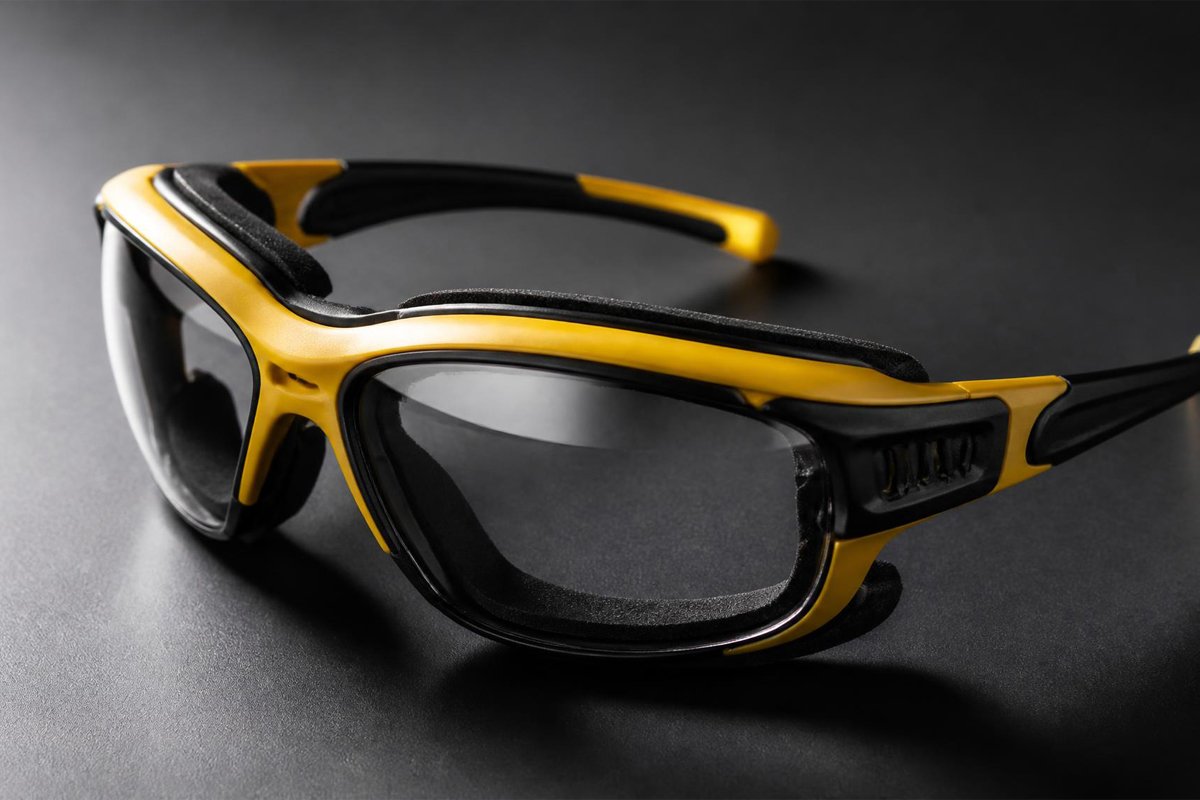
The DPG82 Concealer is a dual-mold, low-profile goggle that fits closer to a pair of safety glasses than a bulky chemical goggle, which makes it far more comfortable for painters who find full goggles claustrophobic. It carries anti-fog treatment and an ANSI Z87.1 rating, and its soft, flexible frame conforms to the face better than many rigid vented designs in the same price range. It won’t give you the same edge-to-edge seal as a true splash goggle, but for typical DIY spray painting sessions — furniture, small parts, touch-up work — it’s a genuinely capable pick at a fraction of the cost of specialty eyewear.
Best for: budget-conscious DIYers doing shorter, lower-intensity spray sessions.
3. Uvex by Honeywell Stealth (S3960HS) — Best All-Day Comfort
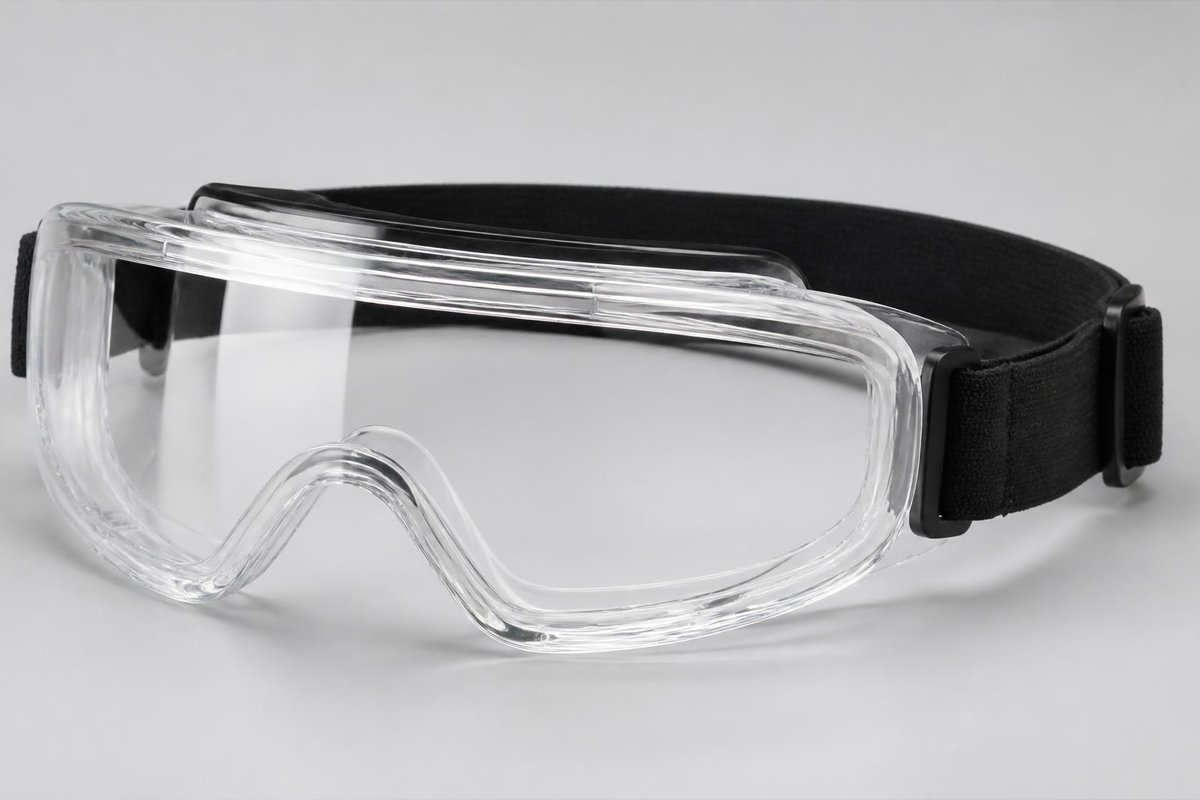
The Stealth goggle uses Uvex’s HydroShield anti-fog coating, which is bonded to both sides of the lens rather than sprayed on as a surface treatment, so it holds up far longer through repeated cleaning. The neoprene headband and soft-sealing frame make this one of the more comfortable full-coverage goggles for extended wear, which matters on larger projects like refinishing a full bike frame or a set of cabinet doors that can take an hour or more from prep to final coat. It’s also one of the few goggles on this list built specifically with OTG (over-the-glasses) sizing in mind.
Best for: painters wearing prescription glasses, or anyone doing long, multi-coat projects in one sitting.
4. Pyramex I-Force Sporty — Best for Long Spray Sessions
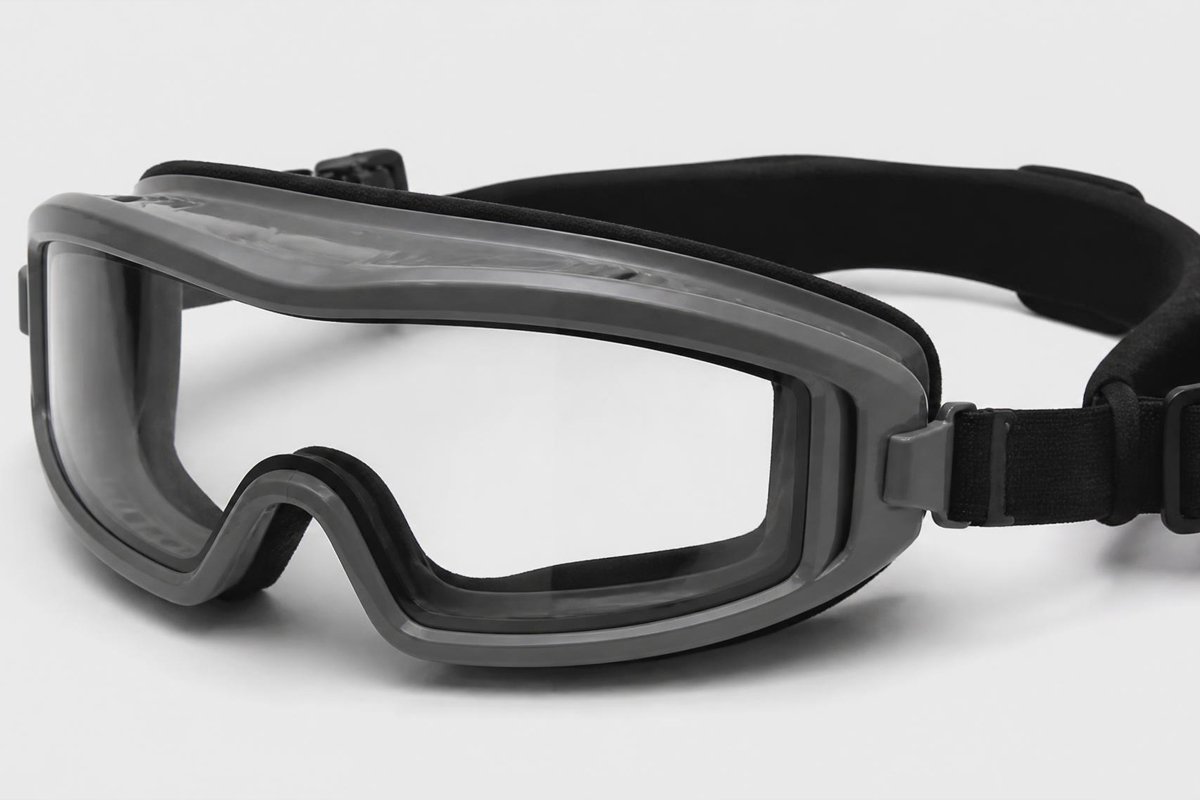
The I-Force uses a dual-pane lens design, which is the same principle ski goggles use to resist fogging: an air gap between two lens layers prevents warm, moist air from condensing directly on the surface you’re looking through. Combined with a sporty, lower-profile frame than a typical chemical splash goggle, it’s noticeably more comfortable to wear continuously and doesn’t fog even when paired with a respirator that pushes warm exhaled air upward. The trade-off is a slightly less complete peripheral seal than a dedicated splash goggle, so it’s best suited to overspray and fine particulate protection rather than direct liquid chemical splash.
Best for: painters who fog up constantly in standard goggles and need something built to move air without breaking the seal.
5. SAS Safety 5106 Deluxe Overspray Goggles — Best for Overspray-Specific Use
Unlike the other four picks, which are general industrial safety goggles adapted to spray painting, the SAS Safety 5106 is built and marketed specifically for overspray protection. It uses a sport-style vented design with anti-splash vents that let air through while blocking liquid droplets from entering — a detail that matters more than it sounds, since fully sealed goggles with no ventilation at all will fog almost immediately in a warm garage. The wide elastic headstrap holds it secure during overhead work, and the anti-fog coating combined with 99.9% UV protection makes it a solid all-around choice if you want a goggle built around this exact use case rather than adapted to it.
Best for: painters who want a goggle purpose-built for spray painting rather than a general industrial safety goggle.
How to Get the Most Out of Your Eye Protection
- Clean lenses with mild soap and water only — solvents and harsh cleaners strip anti-fog coatings and can craze polycarbonate lenses over time.
- Store goggles in a case or clean drawer between uses; loose storage in a toolbox scratches the lens and defeats the anti-fog treatment faster than normal wear.
- Replace goggles once the lens is visibly scratched or the seal has lost its shape — a scratched lens scatters light and reduces visibility exactly when precision matters most.
- Pair your goggles with a properly fitted respirator; see our full guide to respirators and masks for spray painting for how to fit both together without gaps.
Frequently Asked Questions
Do I really need goggles if I’m already wearing a respirator?
Yes. A respirator only protects your airway. Overspray mist and solvent vapor can still irritate or damage your eyes even with a respirator sealed correctly over your nose and mouth.
Can I use regular sunglasses or reading glasses instead?
No. Regular eyewear has no ANSI Z87.1 rating and leaves gaps around the frame that let in fine mist. Use dedicated safety goggles or glasses rated for splash and particulate protection.
Will these goggles fog up inside a spray booth or enclosed garage?
Any goggle can fog in a warm, humid, poorly ventilated space. Anti-fog coatings and vented designs like the ones covered here reduce this significantly, but running a fan or opening a door for airflow (where safe to do so) still helps.
Final Thoughts
Eye protection is the easiest piece of spray painting safety gear to skip — and the one you’ll regret skipping the first time overspray gets in your eye mid-project. Any of the five picks above will genuinely outperform a bare face or a pair of everyday glasses, and choosing between them mostly comes down to how long you’re spraying at a stretch and whether you wear prescription glasses underneath. Pair whichever goggle you choose with a proper respirator and a set of coveralls, and you’ve covered the three basics that matter most in any home spray setup.
Related Guides
- Best Respirators & Masks for Spray Painting: Complete Buying Guide
- Spray Painting Safety: Everything You Need to Know to Stay Safe
- Spray Paint Storage and Disposal: Complete Legal & Safety Guide
- Types of Spray Gun for Painting: HVLP, Conventional & Airless Compared
- How to Spray Paint Furniture: The Complete Beginner’s Guide