
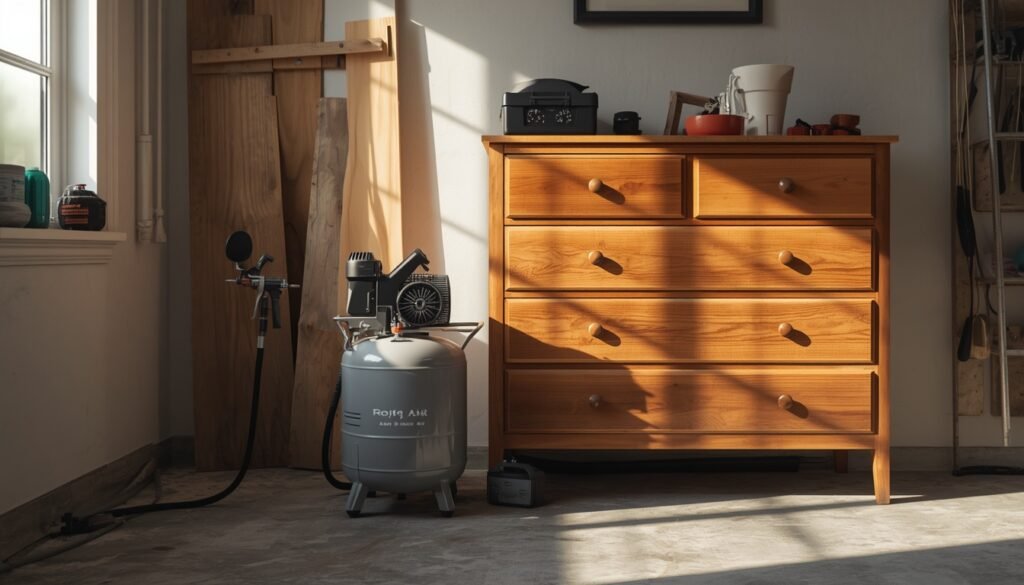
You mix the paint, tape off the edges, and pull the trigger on your HVLP gun. Thirty seconds later the spray pattern sputters, the fan shrinks to a thin stripe, and the finish turns rough. Most of the time the gun is fine. The compressor simply cannot keep up. Choosing the best air compressor for spray painting is less about the horsepower printed on the box and more about one number many buyers overlook: continuous airflow, measured in CFM.
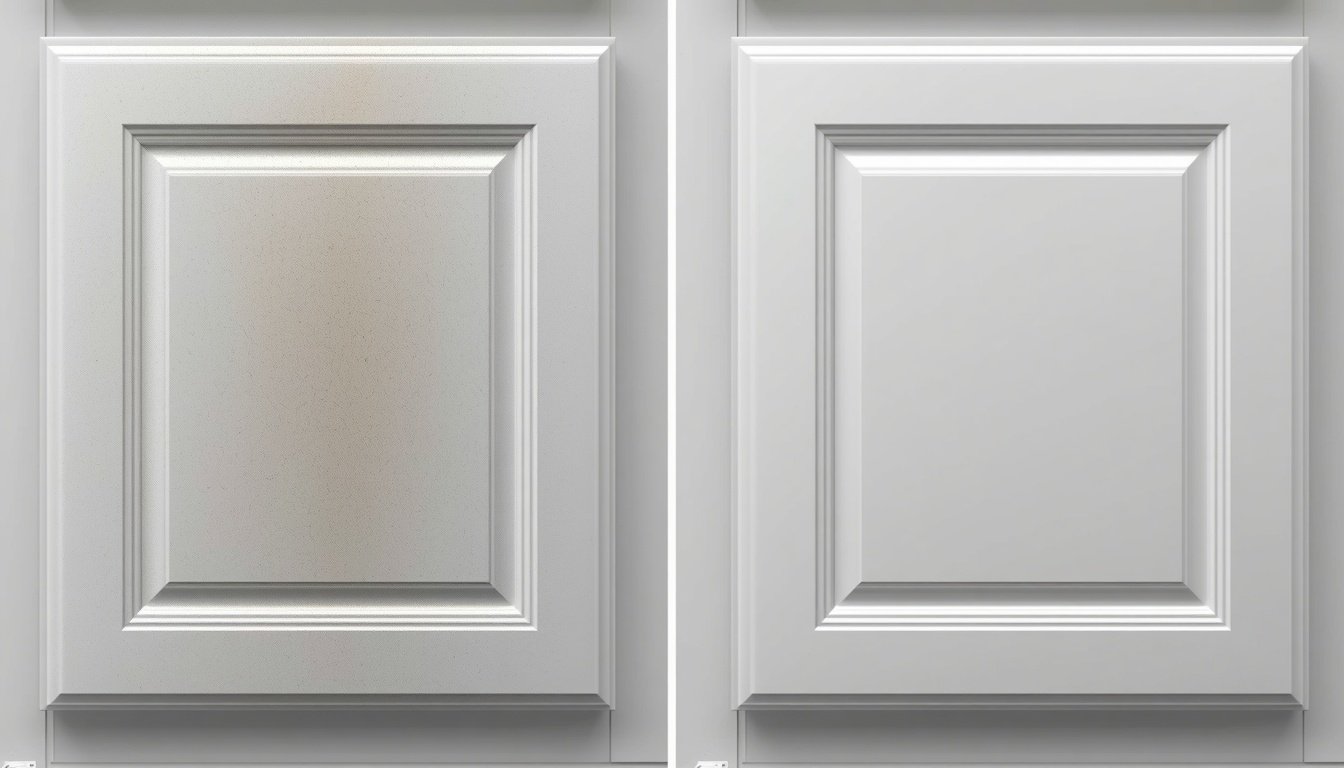
A compressor that is too small starves the gun, which causes spitting, weak atomization, and the dimpled texture covered in our guide to fixing spray paint orange peel. A compressor that has no water control delivers moisture straight into your paint, which is why a moisture trap or air dryer is part of any serious setup.
This guide explains how to match a compressor to your gun, compares five proven models, and shows how to set everything up correctly. Whether you are refinishing a dresser or painting a set of wheels, you will know exactly what to buy.
Quick Answer
The best air compressor for spray painting depends on your spray gun’s air demand. Small touch-up and mini HVLP guns run well on a 6-gallon pancake compressor that delivers around 2.5 to 3 CFM at 90 PSI. Full-size HVLP guns used on cabinets, furniture, and car panels need a larger tank (10 to 20 gallons) and roughly 4 to 6 CFM at 40 to 90 PSI. Always buy for the CFM your gun needs, not the tank size or the peak PSI on the label.
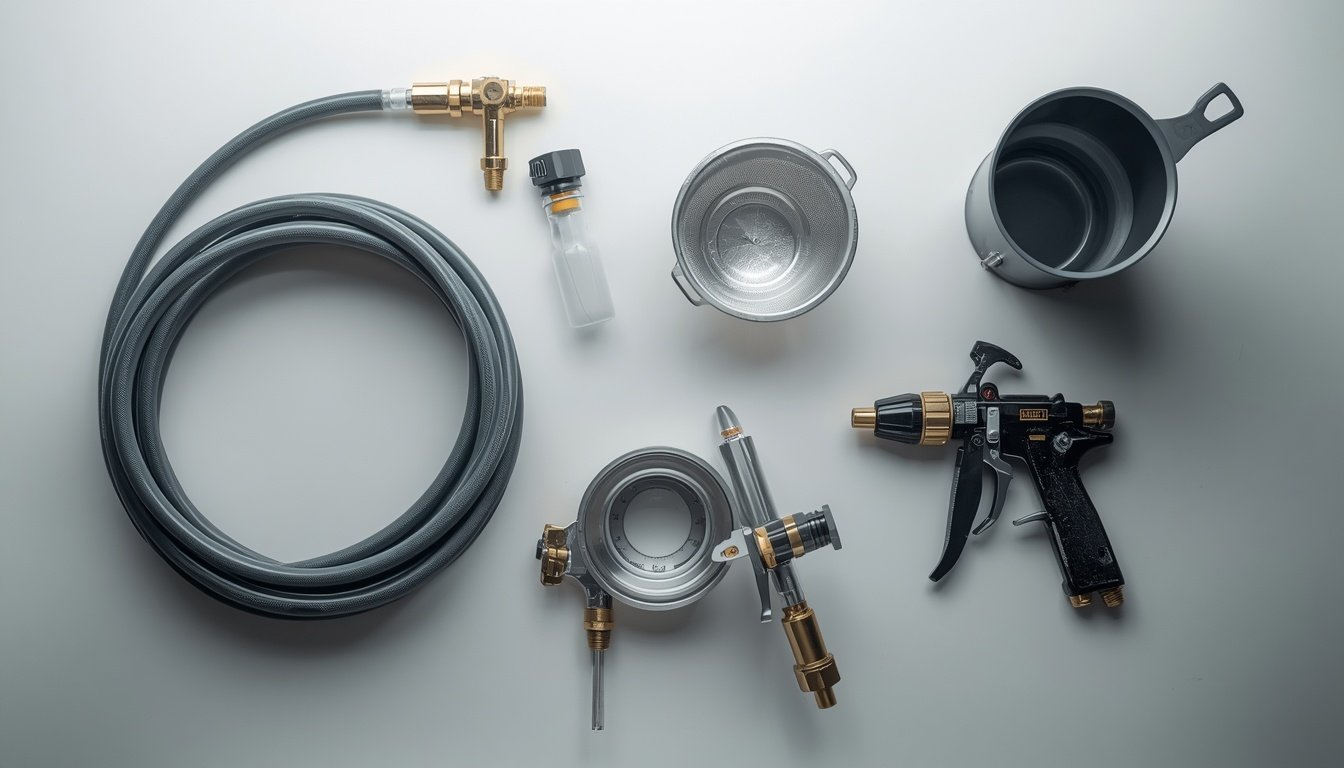
Table of Contents
- What Does an Air Compressor Do for a Spray Gun?
- How to Choose the Right Air Compressor for Spray Painting
- Best Air Compressors for Spray Painting (5 Picks)
- Comparison Table
- Best Compressor for Different Projects
- How to Set Up Your Compressor Correctly
- Common Mistakes
- Expert Tips
- Final Verdict
- Frequently Asked Questions
What Does an Air Compressor Do for a Spray Gun?
An air compressor squeezes ambient air into a storage tank, then releases it at a controlled pressure through a hose. A conventional or HVLP spray gun uses that moving air to break liquid paint into a fine mist, a process called atomization. The more consistent the air supply, the finer and more even the mist.
Two ratings matter here. PSI (pounds per square inch) is the pressure, and almost every compressor can reach the 40 to 90 PSI a spray gun uses. CFM (cubic feet per minute) is the volume of air delivered every minute, and this is where cheap compressors fall short. A gun that needs 5 CFM on a compressor that delivers 2.5 CFM will work for a few seconds, drain the tank, and then sputter while the motor struggles to refill it.
The tank acts as a buffer. A larger tank lets you spray longer before the motor kicks in, but it does not create more airflow. The pump does that. This is why a 20-gallon compressor with a weak pump can perform worse than a well-built 6-gallon unit.
Clean air matters just as much as enough air. Compressors produce water as they compress humid air, and oil-lubricated pumps can pass tiny oil droplets downstream. Either one can ruin a finish, so pair your compressor with a regulator, a water separator, and a quality paint strainer at the gun.
How to Choose the Right Air Compressor for Spray Painting
Before comparing models, answer three questions.
1. What CFM does my spray gun need? Check the gun’s manual or product page. Mini HVLP and touch-up guns often need 2 to 4 CFM. Full-size gravity-feed HVLP guns commonly need 4 to 12 CFM depending on the nozzle. Pick a compressor whose delivered CFM at 90 PSI is at least 25 percent above that number so the pump is not running flat out.
2. How long will I spray at a time? Short bursts, such as a chair or a bike frame, work fine with a 6-gallon tank. Long continuous jobs, such as a full kitchen of doors, need 20 gallons or more so the motor is not cycling constantly.
3. Where will I work? Garages in the evening, apartments, and shared workshops benefit from a quiet oil-free model rated around 70 decibels or lower. Remember that noise ratings vary widely between brands, so compare the dB number directly.
Two more features are worth the money. An oil-free pump avoids oil carryover and needs less maintenance, while an oil-lubricated pump usually lasts longer under heavy use. Also look for a tank drain valve that is easy to reach, because you will be draining it after every session.
Finally, spray in the right conditions. Humidity and temperature affect how paint behaves, so a hygrometer for your spray area is a smart companion to any compressor. For general safety rules around spray finishing, review the guidance from OSHA. And if paint is spitting even with enough air, you may simply need to thin your paint for the spray gun.
Best Air Compressors for Spray Painting
Specifications below are approximate and based on manufacturer listings. Confirm current CFM, noise, and price on the product page before you buy.
1. California Air Tools 10020C — Best Overall for Home Garages
Overview: California Air Tools built its reputation on quiet, oil-free compressors, and the 10020C is a good fit for hobbyists who spray indoors or in attached garages. It pairs a 10-gallon tank with a dual-piston oil-free pump, giving a useful mix of airflow and low noise. Many painters like it because it can run a full-size HVLP gravity gun on furniture-sized projects without constant cycling.
Key Features:
- About 10-gallon steel tank
- Oil-free pump with no oil carryover
- Around 4 CFM at 90 PSI (about 5 CFM at 40 PSI)
- Quiet operation, roughly 70 dB
- Low maintenance
Best For: Furniture, cabinet doors, and hobby workshops where noise matters.
Pros: ✅ Quiet for its size ✅ No oil to contaminate paint ✅ Enough airflow for many HVLP guns
Cons: ❌ Heavier than pancake models ❌ Costs more than basic 6-gallon units
Our Verdict: If you want one compressor that handles most home projects without upsetting the neighbors, this is it. Pair it with a good portable spray paint booth and a ventilation fan for a complete garage setup.
2. Makita MAC700 Big Bore — Best for Durability
Overview: The MAC700 is a compact, cast-iron-pump compressor known for surviving job sites. It is small and loud, but it delivers solid airflow for its size and is easy to carry. Because the pump is oil-lubricated, it is a better match for people who want years of reliable service than for people who need whisper-quiet operation.
Key Features:
- Compact tank of roughly 2.6 gallons
- Cast-iron, oil-lubricated pump
- Around 3.3 CFM at 90 PSI
- Fast recovery between cycles
- Louder than oil-free rivals, roughly 80 dB
Best For: Mini HVLP guns, touch-ups, trim, and small furniture pieces.
Pros: ✅ Built to last ✅ Light and portable ✅ Strong airflow for the size
Cons: ❌ Loud ❌ Small tank means frequent cycling on big jobs
Our Verdict: A great second compressor or a primary one for small projects. Keep a spray gun cleaning kit handy, and finish with a protective clear coat.
3. Porter-Cable C2002 — Best Budget Pick
Overview: This 6-gallon pancake compressor is one of the most common entry-level choices. It is inexpensive, oil-free, and stable on the floor. It cannot feed a large HVLP gun, but it works well with small guns and with LVLP or touch-up guns that sip air.
Key Features:
- 6-gallon pancake tank
- Oil-free pump
- Around 2.6 CFM at 90 PSI
- Up to 150 PSI maximum
- Simple, low-cost design
Best For: Beginners, small craft projects, and touch-up work.
Pros: ✅ Very affordable ✅ Easy to store ✅ Low maintenance
Cons: ❌ Loud ❌ Not enough air for large HVLP guns
Our Verdict: A smart way to start if your projects are small. Always lay down a proper primer and use crisp masking tape so a modest compressor still produces a clean result.
4. DeWalt DWFP55126 — Best Portable Job-Site Option
Overview: DeWalt’s pancake compressor is a popular job-site model with a 6-gallon tank and good build quality. It has a high-flow regulator and couplers, and the pump is oil-free. Like other pancake units, it suits small and medium spraying tasks rather than all-day production work.
Key Features:
- 6-gallon pancake tank, oil-free
- Around 2.6 CFM at 90 PSI
- Maximum pressure of about 165 PSI
- Rugged roll cage-style construction
- Easy-reach drain valve
Best For: Moving between rooms or work sites with a small gun.
Pros: ✅ Durable ✅ Portable ✅ Reliable regulator
Cons: ❌ Noisy ❌ Limited airflow for large HVLP guns
Our Verdict: Choose this if you move around a lot. If you want zero cords or hoses, a cordless paint sprayer is an alternative, and for walls and ceilings an airless paint sprayer skips the compressor entirely.
5. Industrial Air IL1682066.MN — Best for Heavy-Duty Use
Overview: This 20-gallon, belt-driven, oil-lubricated compressor is aimed at users who spray larger parts for longer periods. The bigger tank and larger pump give more recovery time and steadier pressure, which helps with full-size HVLP guns. Check the manufacturer’s CFM listing for your voltage and configuration before you commit.
Key Features:
- Roughly 20-gallon tank
- Belt-driven, oil-lubricated pump
- Better duty cycle than pancake models
- Stationary design for a permanent workshop
Best For: Full-size HVLP guns, cabinets, and shop use.
Pros: ✅ Steady airflow for longer sessions ✅ Runs cooler and lasts longer ✅ Room to add accessories
Cons: ❌ Heavy and not portable ❌ Oil requires maintenance and good filtration
Our Verdict: The right answer if you spray weekly and want fewer compromises. Install a quality water separator and a disposable paint cup system to keep the whole process clean.
Comparison Table
| Model | Best For | Tank | Approx. CFM @ 90 PSI | Pump Type | Noise |
|---|---|---|---|---|---|
| California Air Tools 10020C | Home garages | ~10 gal | ~4.0 | Oil-free | ~70 dB |
| Makita MAC700 | Durability | ~2.6 gal | ~3.3 | Oil-lubricated | ~80 dB |
| Porter-Cable C2002 | Budget | 6 gal | ~2.6 | Oil-free | Loud |
| DeWalt DWFP55126 | Portability | 6 gal | ~2.6 | Oil-free | Loud |
| Industrial Air IL1682066.MN | Heavy-duty | ~20 gal | Check listing | Oil-lubricated | Loud |
Best Compressor for Different Spray Painting Projects
Furniture and Cabinets
Flat panels and drawers need smooth, even coats, so steady airflow is more important than portability. A 10- to 20-gallon compressor with a regulator at the gun is ideal. Plan your prep carefully with a tack cloth, and follow our full guide to spray painting kitchen cabinets. A disposable cup system makes color changes quick.
Wheels, Rims, and Bike Frames
Smaller parts are the sweet spot for 6-gallon compressors and mini guns. You get short spray bursts and plenty of time for the tank to refill between coats. See our step-by-step guides for car rims and wheels and a bike frame, and compare the best spray paints for wheels and rims.
Grills, Stoves, and Hot Parts
High-heat coatings are usually thinner and sprayed in light coats, so even a modest compressor works. Choose the paint first with our high heat spray paint picks, then match your gun and compressor to the paint’s recommended nozzle size.
How to Set Up Your Air Compressor Correctly
Step 1: Position the Compressor
Place it on a level surface in a clean, dry area, ideally away from the spray zone so the motor does not draw in overspray. Keep the intake clear of dust.
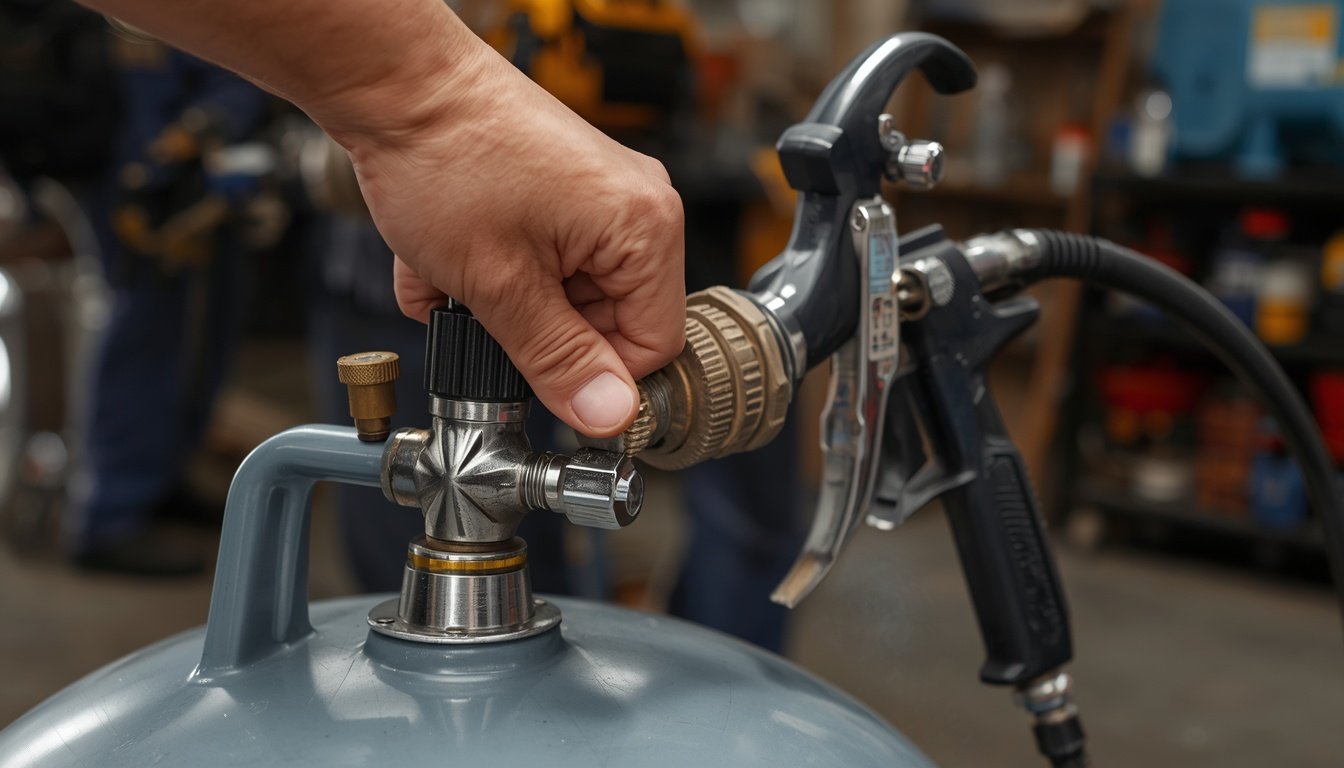
Step 2: Drain the Tank
Open the drain valve and release any collected water before every session. Water in the tank is the number one cause of fisheyes and spitting.
Step 3: Add Filtration
Connect the hose to a regulator, then a water separator or desiccant dryer, and place a small filter at the gun inlet. Use a hose with at least a 3/8-inch inner diameter so airflow is not choked.
Step 4: Set the Pressure
Start with the gun manufacturer’s recommended inlet pressure, measured at the gun while triggering. A gauge at the compressor reads higher than the pressure at the gun because of hose loss.
Step 5: Test and Spray
Spray a test pattern on cardboard. If the fan is even and the paint is atomized, start your project. Drain the tank and clean the gun when finished, and follow the OSHA-style basics of ventilation and respiratory protection while you work.
Common Mistakes to Avoid
Buying by tank size. A big tank cannot compensate for a weak pump. Always compare CFM at 90 PSI, and make sure it matches your gun’s requirement.
Skipping respiratory protection. Spraying with a compressor atomizes paint more finely than a rattle can, which means more particles in the air. Wear a proper respirator and safety goggles every time.
Never draining the tank. Rust and water build up inside, eventually damaging the tank and contaminating your paint. Drain it after every session.
Expert Tips
Use a longer hose to cool the air. A coiled or extra-long hose gives compressed air time to cool and drop moisture before it reaches the gun, but only if the hose is wide enough to keep airflow high.
Add a second air receiver. An inexpensive extra tank connected to your compressor raises buffer capacity so a small pump can run a bigger gun for short sessions.
Protect yourself and your household. Compressors are loud and spray work releases fumes, so wear protective coveralls and read our guide to spray painting around kids and pets before setting up at home.
Final Verdict
The best air compressor for spray painting is the one that supplies your gun with steady, clean air, not simply the one with the biggest tank. For most home garages, the California Air Tools 10020C is the best overall pick because it balances airflow, noise, and low maintenance. The Makita MAC700 is the best choice for durability, the Porter-Cable C2002 is the best budget option for beginners, the DeWalt DWFP55126 is the best portable pick, and the Industrial Air IL1682066.MN is the best for heavy-duty work.
No matter which model you choose, add moisture control and protect yourself. Pair your compressor with a moisture trap, a respirator, and a good primer, and you will get a professional finish at home.
Frequently Asked Questions
1. What size air compressor do I need for spray painting? It depends on your spray gun. Mini HVLP and touch-up guns work with a 6-gallon compressor that delivers around 2.5 to 3 CFM at 90 PSI. Full-size HVLP guns usually need a 10- to 20-gallon compressor delivering 4 to 6 CFM or more.
2. How many CFM do I need for spray painting? Check the gun’s manual. Most hobby HVLP guns need between 4 and 12 CFM depending on the nozzle size. Buy a compressor that delivers at least 25 percent more than the gun requires at the pressure you plan to use.
3. Do I need an oil-free compressor for spray painting? Not necessarily, but oil-free pumps remove the risk of oil carryover that can cause fisheyes. If you choose an oil-lubricated compressor, install a good oil and water separator.
4. Can I use a small pancake compressor to spray paint? Yes, with a small gun. A 6-gallon pancake compressor can run mini HVLP, LVLP, and touch-up guns. It will struggle with large full-size HVLP guns on big surfaces.
5. HVLP vs airless: which is better for home projects? HVLP with a compressor gives finer control and a smoother finish on furniture, cabinets, and parts. Airless sprayers move paint faster on walls, fences, and ceilings and do not need a compressor. See our airless paint sprayer guide for details.
6. Why is my spray gun spitting even with a big compressor? Common causes include water in the air line, paint that is too thick, a clogged nozzle, or too little air reaching the gun because of a narrow hose. Drain the tank, strain the paint, and check your hose diameter.
7. How often should I drain my air compressor tank? Drain it after every session, and before spraying if the compressor has been sitting. Humid climates make this even more important.
8. Is it safe to spray paint indoors with a compressor? Only with strong ventilation and the right protection. Wear a proper respirator, goggles, and gloves, keep ignition sources away, and avoid spraying near pilot lights or open flames.
Author: Rodney Last Updated: November 2026