
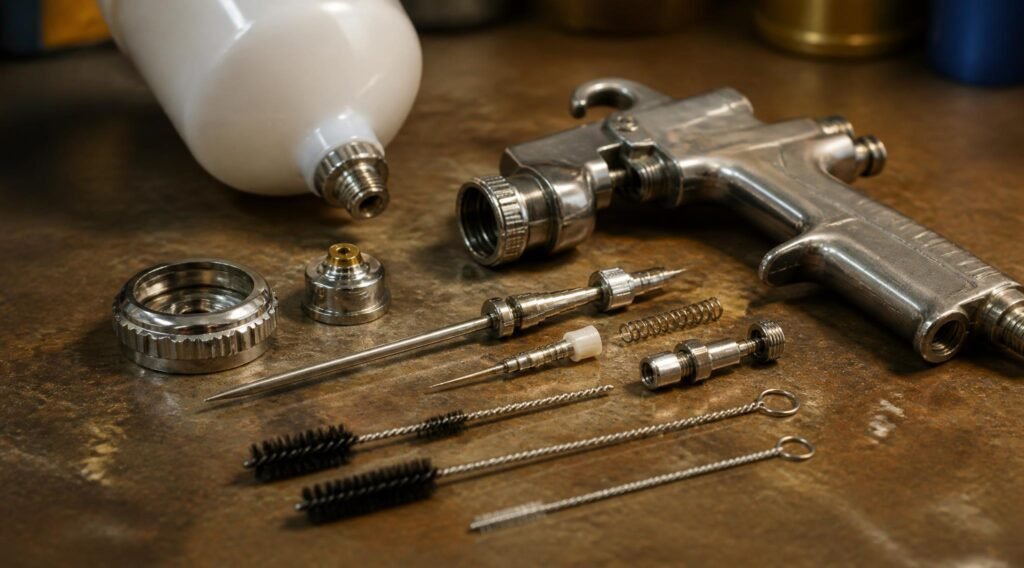
Your last project turned out great, so you rinsed the cup, ran a little thinner through the gun, and called it done. A few weeks later you pick the same gun back up for a new project, pull the trigger, and get a weak, sputtering spray pattern instead of the clean fan you’re used to. Somewhere in the fluid passages, the tiny nozzle orifice, or the air cap’s fine holes, dried paint residue has been quietly building up — and a quick rinse was never going to touch it.
HVLP guns are precision tools built around extremely small, exact-tolerance openings, and dried paint left behind after a rushed cleaning job hardens in exactly those places: the fluid tip, the air cap horn holes, and the internal fluid passages. Once it’s cured, it doesn’t dissolve back out with a splash of thinner — it needs to be physically picked, brushed, or soaked out, or it stays there degrading your spray pattern permanently, project after project.
This is the maintenance step that’s easy to shortcut when you’re tired at the end of a project, but it’s also the single biggest factor in how long a decent spray gun actually lasts. This guide covers what actually matters in a cleaning kit or solvent — brush variety, needle sizes, and solvent safety — and reviews five real products that cover everything from a full brush-and-needle kit to a dedicated reusable cleaning solvent.
Quick Answer
The best spray gun cleaning kit depends on how thorough you want your routine to be and what extras matter to you. For a comprehensive, trusted all-around kit, the TCP Global 20-Piece Spray Gun Cleaning Kit covers brushes, picks, and an air cap cleaning needle in one set. If keeping tools organized and visible matters, the Tilswall Paint Gun Cleaning Kit comes in a blow-molded case that keeps everything sorted. Budget-focused painters do well with the Harbor Freight 19-Piece Spray Gun Cleaning Brush Kit, which covers the essentials at a lower price. If you want a kit that also handles general maintenance beyond cleaning, the QWORK 22-Piece Kit includes a lubrication bottle alongside the brushes and needles. And for the actual cleaning solution itself rather than tools, Xtreme Spray Gun Cleaner Concentrate is a reusable, water-based, non-flammable solvent that can be strained and used repeatedly instead of discarded after one use.
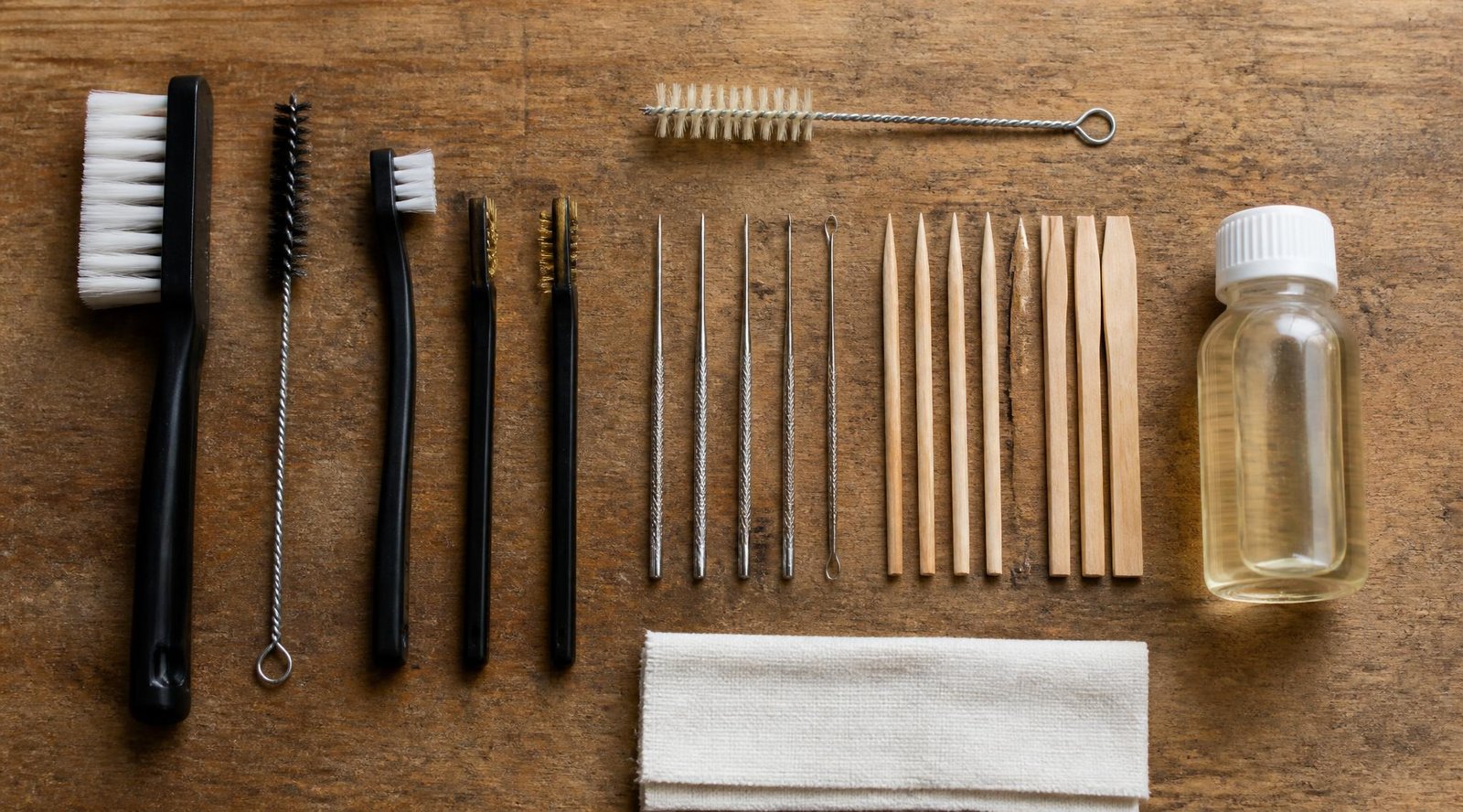
Table of Contents
- Why Proper Gun Cleaning Matters
- How to Choose the Right Cleaning Kit
- Best Spray Gun Cleaning Kits & Solvents in 2026
- Comparison Table
- Best Kits for Different Gun Types
- How to Clean an HVLP Spray Gun Correctly
- Common Mistakes
- Expert Tips
- Final Verdict
- FAQ
Why Proper Gun Cleaning Matters {#why-it-matters}
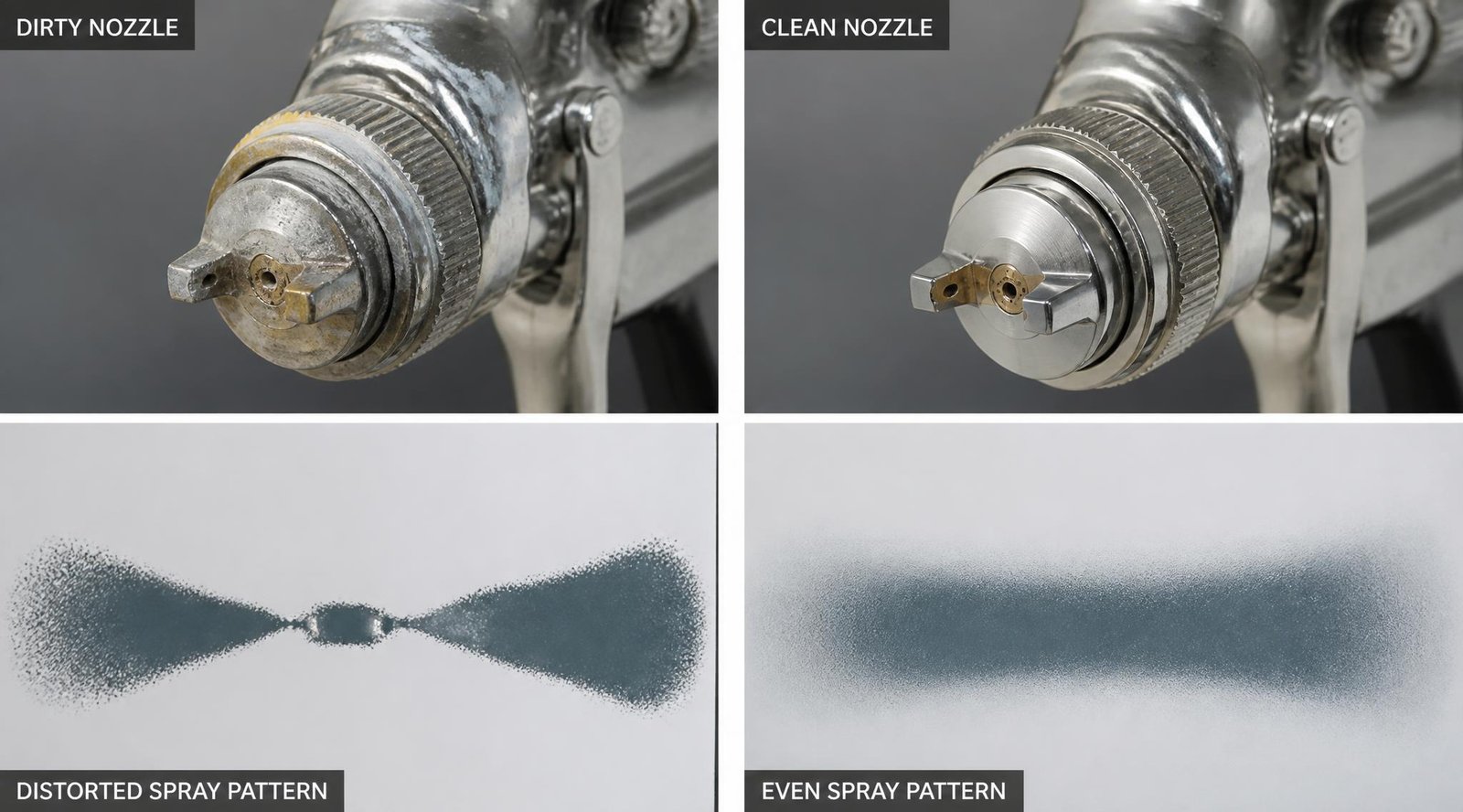
An HVLP gun’s fluid tip and air cap are machined to extremely fine tolerances specifically to produce a controlled, even spray pattern. Even a small amount of dried paint residue partially blocking one of the air cap’s horn holes or narrowing the fluid tip’s opening changes how paint atomizes, which shows up as an uneven, lopsided, or weak spray pattern — the exact same symptom caused by unstrained paint clogging the nozzle, except this version comes from your last project instead of your current one.
Beyond spray pattern quality, buildup left uncleaned also accelerates wear on seals, needles, and internal components as dried paint acts almost like fine sandpaper during future use. A gun that’s properly cleaned after every session, versus one that’s rinsed carelessly, routinely lasts years longer in practical terms — the cleaning routine is genuinely one of the highest-value habits in this entire hobby relative to how little time it takes.
How to Choose the Right Cleaning Kit {#how-to-choose}
Ask yourself these three questions before buying:
1. Do I need tools, solvent, or both? Brush-and-needle kits handle the physical scrubbing; a dedicated cleaning solvent handles the chemical dissolving. Most serious painters eventually want both.
2. What gun type am I cleaning? Gravity feed, suction feed, and detail/touch-up guns all have slightly different internal geometries, so a kit with a genuinely varied brush and needle assortment covers more bases than one built around a single gun type.
3. How often am I painting? Occasional hobby use is fine with a basic kit; anyone spraying regularly benefits from a reusable solvent that doesn’t need replacing after every session.
If your buildup problems are more about what goes into the gun than what’s left behind afterward, our guide on paint strainers covers the prevention side of the same underlying problem.
Best Spray Gun Cleaning Kits & Solvents in 2026 {#best-kits}
1. TCP Global 20-Piece Spray Gun Cleaning Kit — Best Overall
Overview: TCP Global’s cleaning kit is built around genuine variety — rather than a generic assortment of similar-sized brushes, it includes purpose-specific tools for different parts of the gun, including a dedicated air cap cleaning needle that many cheaper kits skip entirely.
Approximate Price: Typically listed around $12–$20.
Key Features:
- Multi-purpose cleaning brush plus a soft bristle external detail brush
- 10 wooden passage picks for fine internal cleaning
- 3/8″, 1/2″, and 5/8″ tube cleaning brushes for fluid and air inlets
- Dedicated air cap cleaning needle for center hole and horn holes
Best For: Painters who want one comprehensive, trusted-brand kit that covers essentially every part of a standard HVLP gun.
Pros: ✅ Genuinely purpose-specific tools rather than a generic assortment of similar brushes ✅ Dedicated air cap needle addresses a spot many cheaper kits overlook ✅ Well-established brand with a long track record in automotive and hobby painting supplies
Cons: ❌ No included solvent or lubrication bottle — this is tools only ❌ Doesn’t include a dedicated storage case the way some competitors do
Our Verdict: Based on manufacturer specifications and its established reputation in automotive and hobby painting circles, this is the kit most painters should default to for genuinely thorough cleaning coverage, provided you’re comfortable sourcing your own solvent separately.
2. Tilswall Paint Gun Cleaning Kit — Best for Organization & Storage
Overview: Tilswall’s kit takes a similar brush-and-tool approach to competitors, but distinguishes itself with a durable, blow-molded plastic organizer case that keeps every tool visible and in its place — a genuinely practical difference for anyone tired of digging through a loose bag of brushes.
Approximate Price: Typically listed around $15–$25.
Key Features:
- Multi-size brushing tools for suction, gravity, pressure feed, HVLP guns, and airbrushes
- Durable blow-molded plastic organizer case
- Designed for both professional and DIY use
- Compact, transportable storage format
Best For: Painters who value a genuinely organized kit they can grab and go with, rather than a loose collection of tools in a bag.
Pros: ✅ The organizer case is a real, tangible upgrade over loose-tool kits for day-to-day usability ✅ Covers a wide range of gun types beyond just standard HVLP ✅ Compact enough to store on a shelf without becoming clutter
Cons: ❌ Case-based organization adds some bulk compared to a simple tool roll or bag ❌ No solvent included, same as most competitors in this category
Our Verdict: If you’ve ever lost track of a small brush or needle in a cluttered toolbox mid-cleaning, the organized case here solves a real, if minor, everyday annoyance — worth the modest price difference for anyone who values a tidy workflow.
3. Harbor Freight 19-Piece Spray Gun Cleaning Brush Kit — Best Budget Pick
Overview: This kit takes a no-frills approach, covering the core brush and pick assortment needed for standard gun cleaning at a noticeably lower price than name-brand competitors, without cutting the essential tool variety.
Approximate Price: Typically listed around $8–$14.
Key Features:
- 10 wood picks for fine passage cleaning
- Multiple bristle brushes including soft exterior and body cleaning brushes
- Tube cleaning brushes in two diameters for fluid and air passages
- Compatible with any thinner or solvent
Best For: Budget-conscious painters and anyone who wants full brush coverage without paying a name-brand premium.
Pros: ✅ Lowest price point among the full brush-and-pick kits on this list ✅ Covers the same core tool categories as pricier competitors ✅ Works with whatever thinner or solvent you already have on hand
Cons: ❌ No dedicated air cap cleaning needle, unlike the TCP Global kit ❌ No storage case included — tools come loose
Our Verdict: For anyone who just wants functional cleaning tools without paying for extras like organized cases or specialty needles, this covers the core job at a genuinely lower cost than most alternatives.
4. QWORK 22-Piece Air Spray Gun Cleaning Kit — Best All-in-One with Lubrication
Overview: QWORK’s kit goes a step beyond pure cleaning by including a lubrication bottle alongside the brush and needle assortment, addressing the fact that a freshly cleaned gun also needs its moving parts (trigger, needle packing, air valve) properly lubricated to keep working smoothly.
Approximate Price: Typically listed around $15–$22.
Key Features:
- 22-piece assortment of brushes and needles
- Included lubrication bottle for post-cleaning maintenance
- Storage case included
- Covers air spray gun maintenance beyond just cleaning
Best For: Painters who want cleaning and basic lubrication maintenance handled by one purchase instead of two separate products.
Pros: ✅ Lubrication bottle addresses a maintenance step cleaning kits usually leave out entirely ✅ Included storage case keeps everything together ✅ Largest piece count among the kits on this list
Cons: ❌ Included lubrication bottle is a starter quantity, not a long-term supply ❌ More pieces than most casual painters will use regularly
Our Verdict: For anyone who wants a single purchase that addresses both cleaning and basic ongoing gun maintenance, this is the most complete option here — the lubrication bottle is a small but genuinely useful inclusion competitors skip.
5. Xtreme Spray Gun Cleaner Concentrate — Best Reusable Solvent
Overview: Unlike the brush-and-needle kits above, this is the actual cleaning chemistry — a water-based, non-flammable cleaner designed specifically to dissolve paint residue from gun tips and metal parts, with the notable advantage that it can be strained after use and reused rather than discarded.
Approximate Price: Pricing varies by size and retailer; concentrate cleaners in this category are typically sold by the quart or gallon, with cost scaling accordingly — check current listings for exact pricing.
Key Features:
- Water-based and non-flammable formulation
- Contains no methylene chloride or other harsh caustic chemicals
- Can be strained and reused multiple times rather than single-use
- Won’t corrode metal parts or pit aluminum components
Best For: Painters who want an actual dissolving solvent for soaking spray tips and metal parts, rather than (or alongside) physical brush cleaning.
Pros: ✅ Non-flammable, water-based formula is genuinely safer to store and use than traditional solvent-based cleaners ✅ Reusable after straining, which meaningfully reduces ongoing cost compared to single-use cleaners ✅ Won’t damage aluminum or other common gun-part metals
Cons: ❌ A soak-based solvent still benefits from brush work for stubborn dried buildup — it’s not a total replacement for physical cleaning tools ❌ Less widely available at general hardware stores compared to brush kits
Our Verdict: Brushes handle physical scrubbing, but a proper soak solvent handles what brushes alone can’t reach — the reusable, non-flammable nature of this one makes it a genuinely practical choice for a home shop where flammable solvent storage is a real concern.
Comparison Table {#comparison-table}
| Product | Best For | Piece Count | Includes Case | Approx. Price |
|---|---|---|---|---|
| TCP Global 20-Piece Kit | Comprehensive tool coverage | 20 | No | $12–$20 |
| Tilswall Cleaning Kit | Organization & storage | Multi-size set | Yes (blow-molded) | $15–$25 |
| Harbor Freight 19-Piece Kit | Budget-friendly basics | 19 | No | $8–$14 |
| QWORK 22-Piece Kit | All-in-one with lubrication | 22 | Yes | $15–$22 |
| Xtreme Spray Gun Cleaner | Reusable soak solvent | N/A (liquid) | N/A | Varies by size |
Prices fluctuate by retailer and current promotions — treat these as general ranges rather than fixed figures.
Best Kits for Different Gun Types {#by-gun-type}
Standard HVLP Gravity Feed Guns
The TCP Global kit’s dedicated air cap needle and varied brush sizes cover this gun type especially well, and pairs naturally with our HVLP spray gun guide for overall setup.
Detail & Touch-Up Guns
Kits with a range of smaller precision needles, like the TCP Global or QWORK sets, handle the finer internal passages these smaller guns have better than kits built primarily around standard-size brushes.
Multi-Gun Home Shops
If you’re cleaning several guns regularly, a reusable solvent like Xtreme’s concentrate cuts down on ongoing cost significantly compared to single-use cleaners, especially combined with a proper drying rack setup for parts drying after cleaning.
How to Clean an HVLP Spray Gun Correctly {#how-to-clean}
Step 1: Clean Immediately After Use
Don’t let paint sit and dry in the gun between projects — cleaning immediately while paint is still wet is dramatically easier than trying to dissolve cured residue later.
Step 2: Disassemble the Air Cap and Fluid Tip
Remove the air cap and fluid tip according to your gun’s manual before cleaning — trying to clean these thoroughly while still assembled misses the internal surfaces that matter most.
Step 3: Flush Fluid Passages First
Run appropriate thinner or cleaning solvent through the fluid passages before detail brushing, so you’re not scrubbing against paint that a simple flush would have removed.
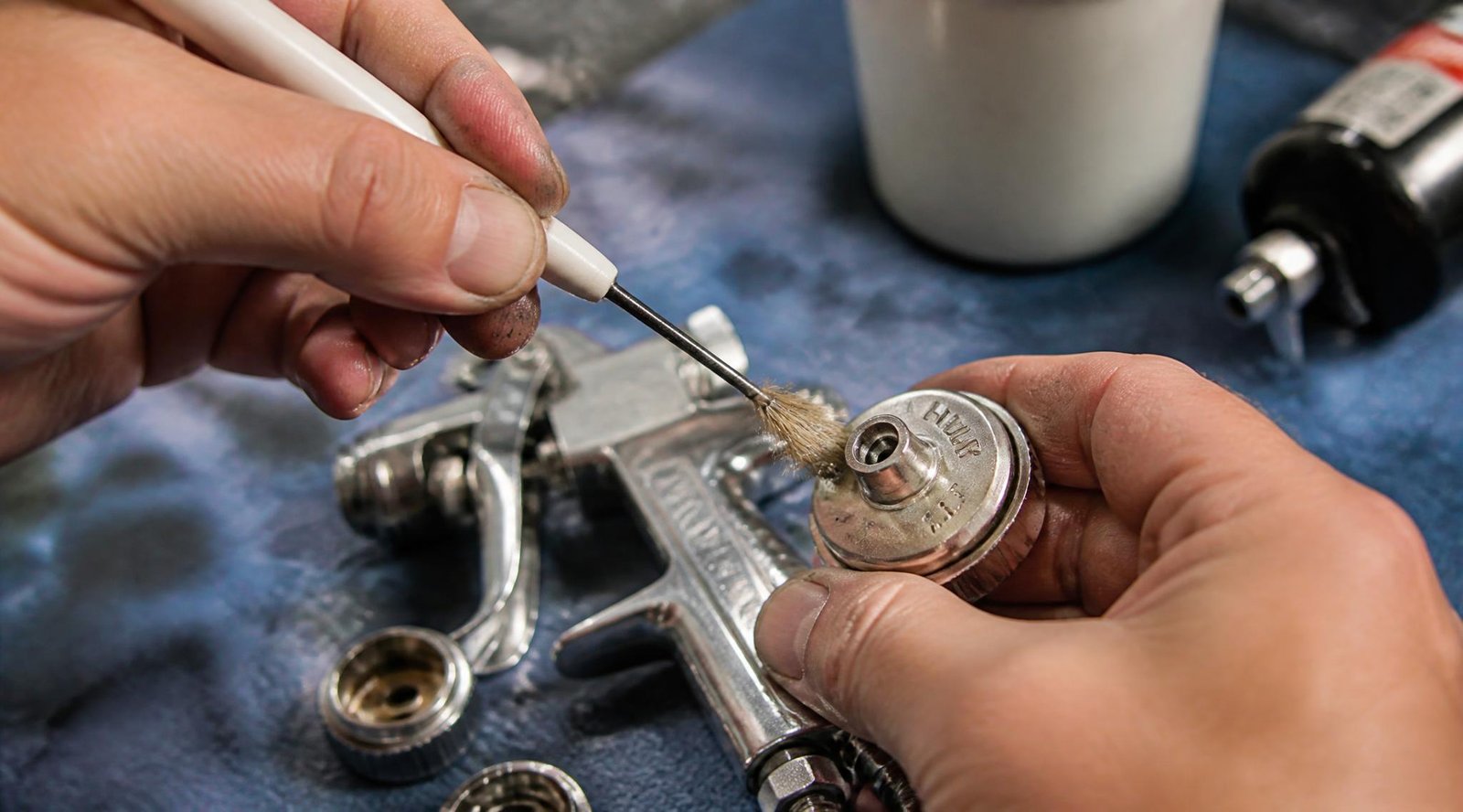
Step 4: Brush the Air Cap Holes and Fluid Tip Carefully
Use the smallest, most precise brush or needle in your kit for the air cap’s horn holes and the fluid tip opening — these are the tightest tolerances in the gun and the most damage-prone if you use something too rigid or oversized.
Step 5: Dry Thoroughly Before Reassembly
Make sure all components are fully dry before putting the gun back together, since trapped moisture can cause corrosion in metal components over time.
Common Mistakes {#common-mistakes}
1. Rinsing without disassembling the air cap and tip. A quick rinse through an assembled gun misses the exact spots — air cap horn holes and the fluid tip opening — where residue causes the most spray pattern problems.
2. Letting paint dry before cleaning. Cured paint requires soaking or aggressive scrubbing that wet paint never would have needed — cleaning promptly is dramatically less work than cleaning delayed. This is the same underlying principle behind other setup mistakes covered in our common spray paint mistakes guide.
3. Using metal tools or oversized brushes on precision openings. The air cap and fluid tip are precision-machined; forcing an ill-fitting metal tool into a fine hole risks permanently widening or damaging it rather than just cleaning it.
Expert Tips {#expert-tips}
Keep your cleaning kit within arm’s reach of your spray station, not stored away in a cabinet. A kit that requires a trip across the garage is far more likely to get skipped on a tired day than one sitting right next to where you’re already standing.
Soak stubborn buildup before brushing it. A short soak in an appropriate solvent softens dried paint significantly, meaning less aggressive brushing is needed and less risk of scratching precision surfaces.
Don’t skip cleaning between color changes, even mid-project. Leftover pigment from a previous color can contaminate a new coat, similar to how unstrained debris causes contamination from the opposite direction.
Final Verdict {#final-verdict}
- Best Overall: TCP Global 20-Piece Spray Gun Cleaning Kit — comprehensive, purpose-specific tool coverage.
- Best for Organization: Tilswall Paint Gun Cleaning Kit — a genuinely useful storage case upgrade.
- Best Budget Pick: Harbor Freight 19-Piece Kit — core coverage at the lowest price.
- Best All-in-One: QWORK 22-Piece Kit — cleaning and lubrication in one purchase.
- Best Reusable Solvent: Xtreme Spray Gun Cleaner Concentrate — non-flammable, strainable, and reusable.
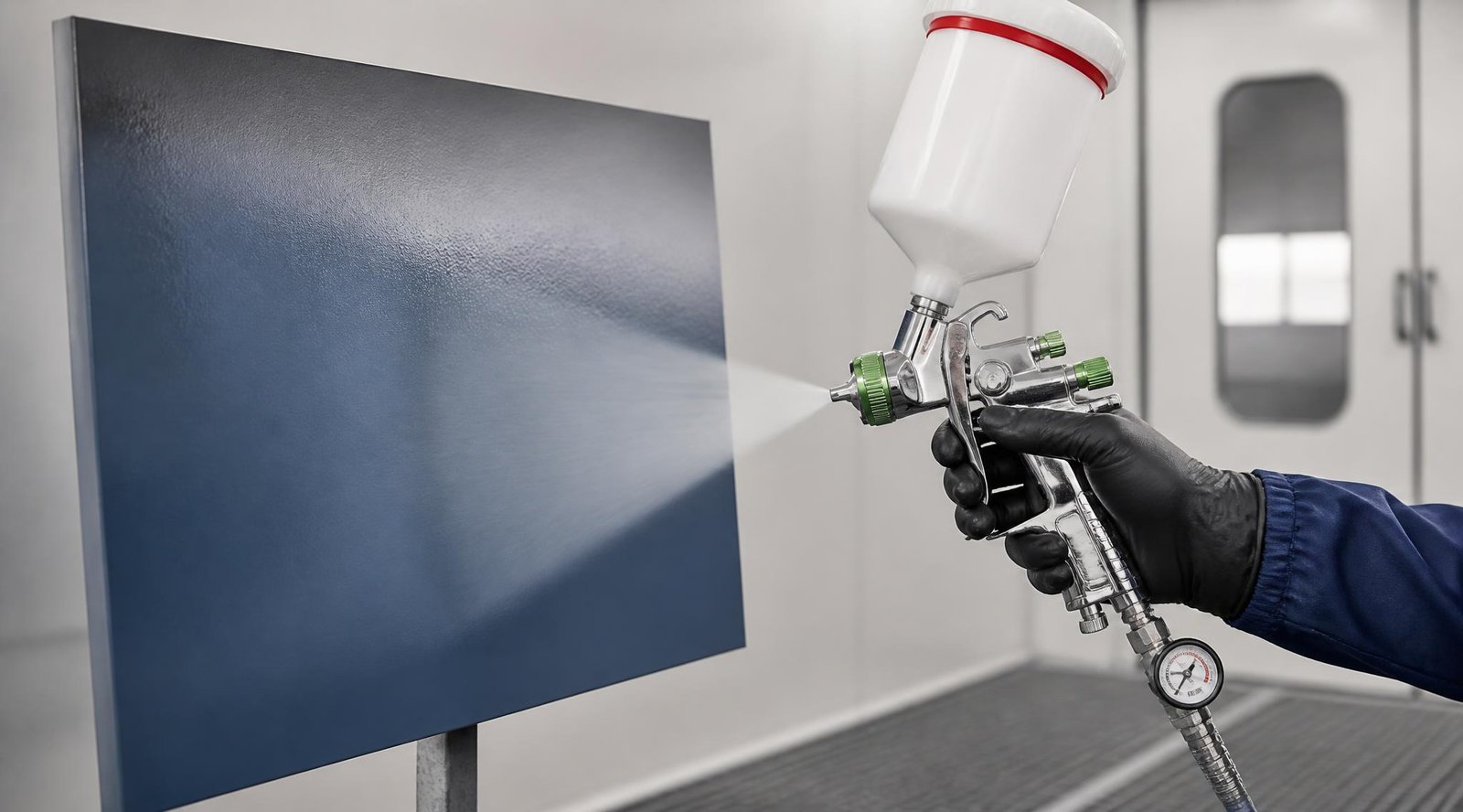
Whichever combination you choose, a proper cleaning routine is what keeps everything else in your setup — from your HVLP gun to your air filtration — actually performing the way it’s supposed to, project after project.
Frequently Asked Questions {#faq}
How often should I fully clean my spray gun? After every use, ideally immediately while paint is still wet — waiting even a few hours can allow paint to begin drying in fine passages, making the job significantly harder.
Can I use regular paint thinner instead of a dedicated gun cleaning solvent? For basic flushing, thinner or lacquer thinner matching your paint type generally works; a dedicated cleaner like Xtreme’s concentrate is designed specifically for soaking and dissolving cured residue on metal gun parts without the flammability of traditional solvents.
Do I really need a full brush kit, or can I just use an old toothbrush? A toothbrush handles some exterior cleaning, but it can’t reach the fine internal passages, air cap horn holes, or precisely sized needle openings that a purpose-built kit’s varied brush and needle sizes are designed for.
Is a non-flammable cleaning solvent as effective as a traditional flammable one? Modern water-based, non-flammable formulations like Xtreme’s concentrate are specifically designed to match traditional solvent cleaning power while removing the storage and handling risks of flammable alternatives.
Will improper cleaning actually damage my spray gun, or just leave it dirty? Both — beyond just leaving residue that affects spray pattern, dried paint left in precision openings can act like fine abrasive over repeated use, gradually degrading fluid tips and air caps faster than proper cleaning would.
Can I soak the entire gun body in solvent, or just the removable parts? Most manufacturers recommend soaking only removable metal parts like the fluid tip and air cap, not the entire gun body, since seals, gaskets, and some internal components aren’t designed for extended solvent immersion — check your specific gun’s manual.
Do detail and touch-up guns need a different cleaning approach than full-size HVLP guns? The core process is the same, but detail guns benefit especially from having finer precision needles and brushes available, since their internal passages and openings are proportionally smaller.
How do I know if buildup is actually the cause of a spray pattern problem, versus something else? If your spray pattern was fine last session and has degraded since, and you haven’t changed paint, air pressure, or the gun setup, residue buildup from incomplete cleaning is one of the most common explanations worth checking first.
Author: Rodney Shiner Last Updated: July 2026