
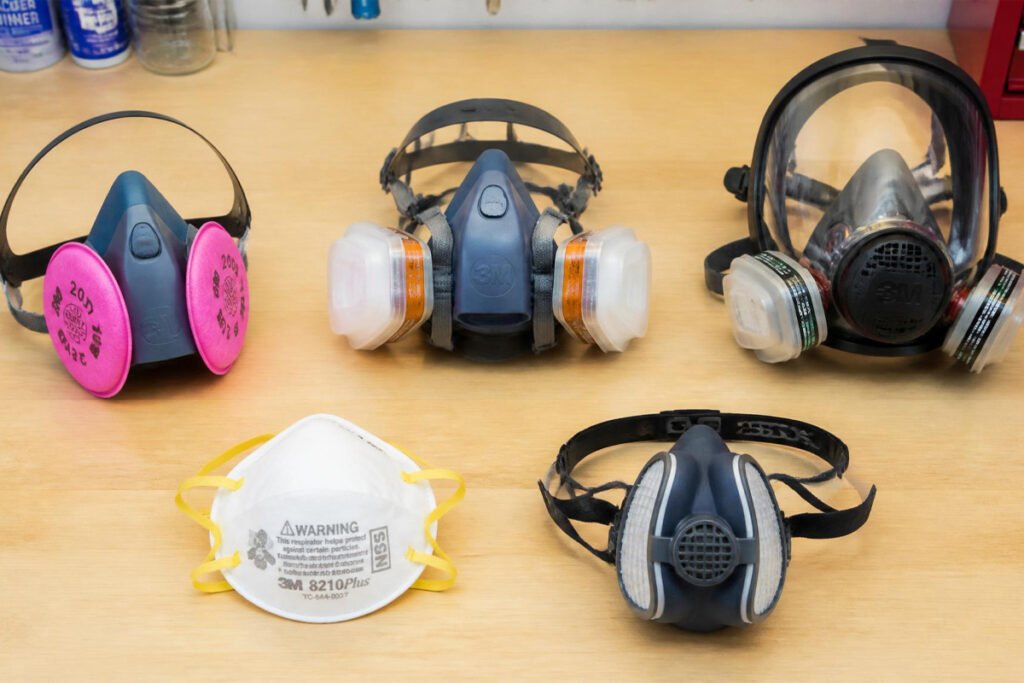
Nearly every project guide on this site tells you to “wear a proper respirator” before spraying — but that advice is only useful if you know which respirator actually does the job. A basic paper dust mask stops almost none of the organic vapor in spray paint fumes, and reaching for whatever’s on the shelf at the hardware store is how people end up under-protected on projects that genuinely warrant serious gear, like our spray painting safety guide covers in more depth.
The confusion is understandable — respirator packaging is full of overlapping terms (N95, P95, P100, organic vapor, particulate) that sound similar but mean genuinely different things for protection, and a rating that’s perfectly adequate for sanding dust may provide almost no protection against the solvent vapors released while spraying. Getting this choice right matters more than most other equipment decisions in a spray painting setup, since it’s the one piece of gear directly protecting your respiratory health rather than just affecting your finish quality.
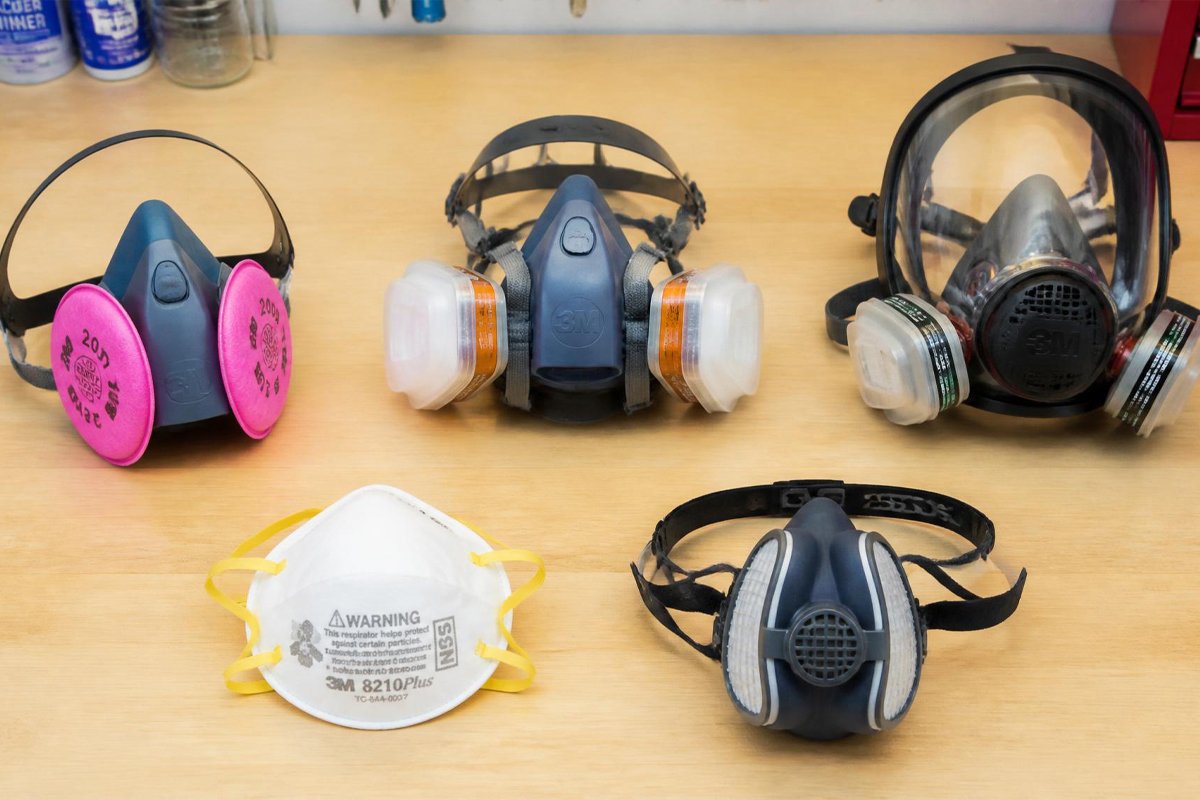
We looked at five of the most consistently recommended respirators specifically for spray paint work, spanning disposable cartridge respirators through reusable elastomeric half-face units. Prices below are approximate US street prices at the time of writing and shift with sales and retailer, so treat them as a ballpark rather than an exact quote — always check current pricing before buying.
Quick Answer
For most spray paint work — latex, enamel, lacquer, or solvent-based coatings — a half-face respirator with an organic vapor (OV) and P100 combination cartridge, like the 3M 7502 or 3M 6502QL, is the correct choice under OSHA guidance, since a disposable N95 mask has no vapor filtration at all. If you’re spraying in a fully enclosed space or working with isocyanate-containing automotive paints, a full-face respirator adds eye protection and a more complete seal worth the extra cost.
How We Compared These
- NIOSH approval and correct filter/cartridge type for actual spray paint fumes, not just dust
- Comfort and seal quality during extended, multi-hour painting sessions
- Reusability and long-term cost versus disposable options
- Ease of cleaning and cartridge replacement
- Value relative to protection level and included accessories
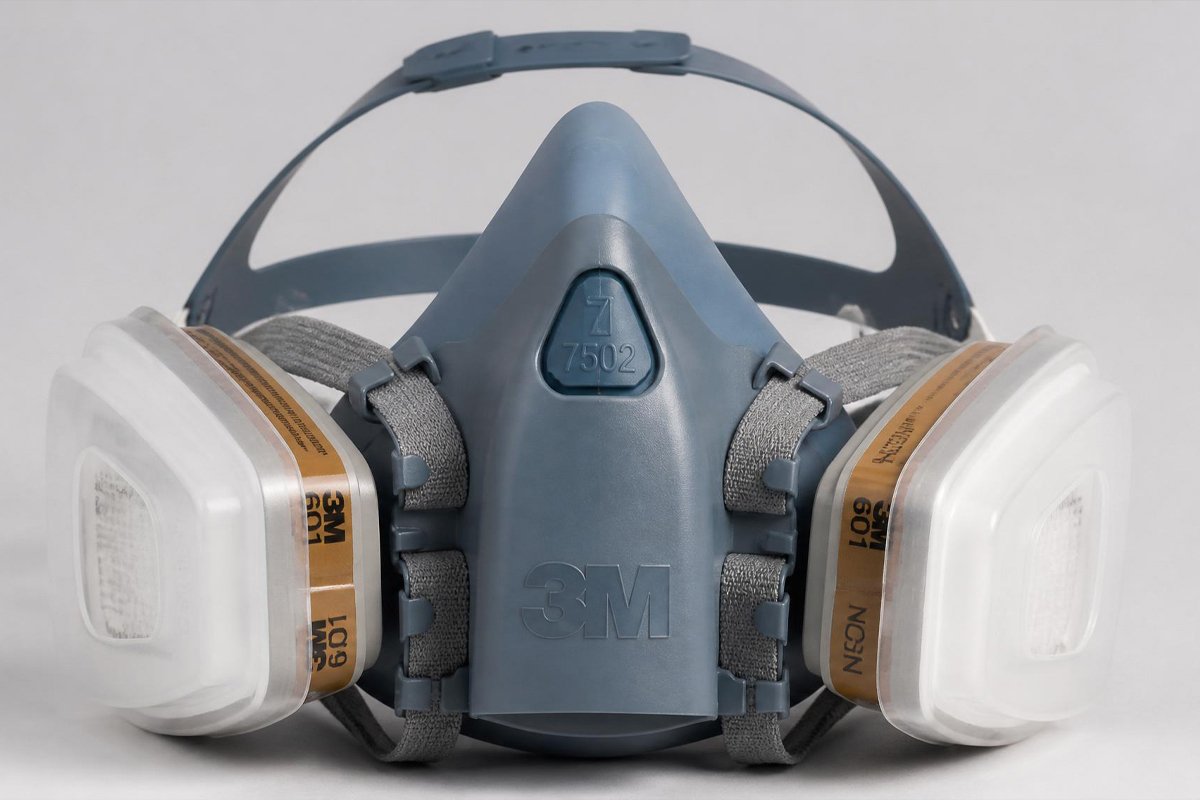
- 3M 7502 Half-Facepiece Reusable Respirator (with 60921 OV/P100 Cartridges) — ~$35–50
Best for: The correct, OSHA-aligned choice for most home and hobby spray paint work.
This is the combination most safety guides point to as the actual correct answer for spray paint fumes — the 7502 facepiece paired with 3M’s 60921 organic vapor/P100 cartridges covers both the vapor-phase solvents (xylene, toluene, mineral spirits) and the aerosol paint mist in a single respirator, which a plain N95 dust mask simply cannot do. The Cool Flow exhalation valve reduces heat and moisture buildup during longer sessions, and the soft silicone faceseal is widely praised for staying comfortable through multi-hour projects.
It requires periodically replacing cartridges as they saturate, and getting a proper fit (there are multiple size options) takes a bit more care than grabbing a one-size disposable mask. But for anyone doing regular spray painting with solvent-based or oil-based coatings, this is the respirator that safety-focused reviewers and OSHA-aligned guidance consistently point to as the actual right tool, not just a convenient one.
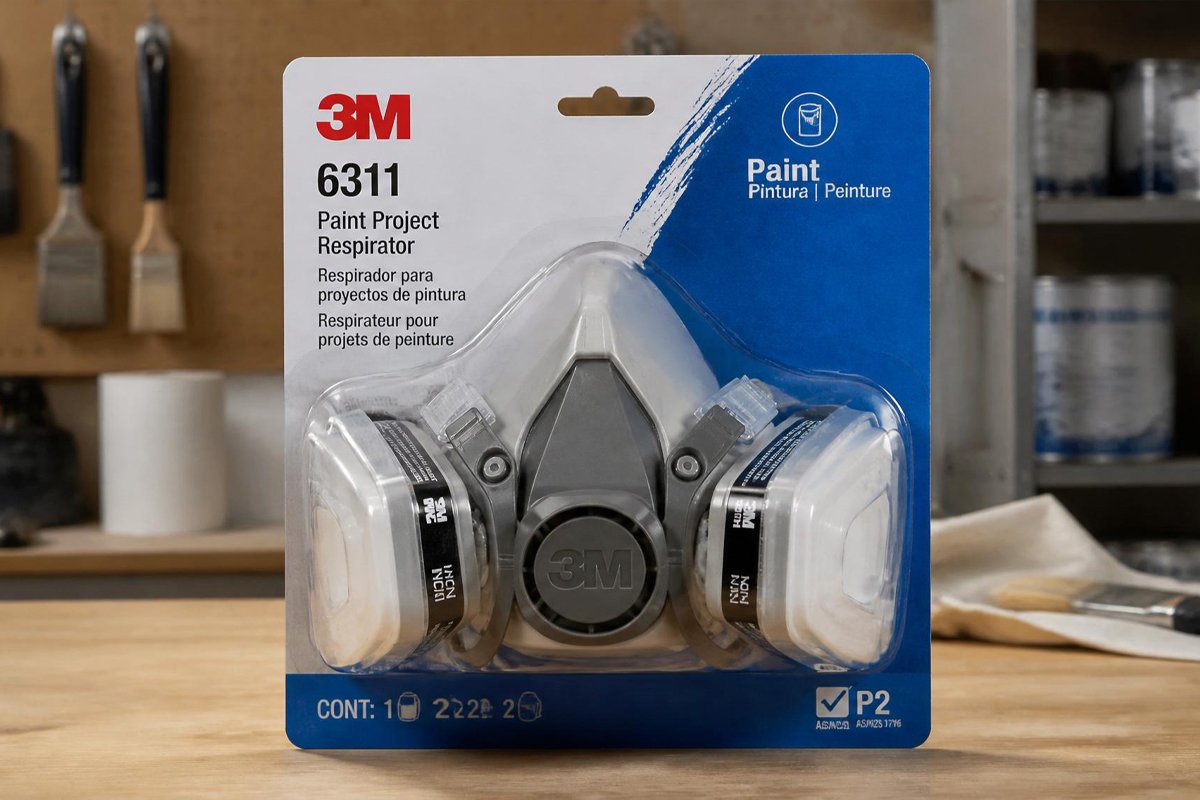
- 3M 6311 P95/Organic Vapor Paint Project Respirator — ~$30–45
Best for: A dedicated, purpose-built “paint project” respirator for DIYers who want a simpler all-in-one solution.
3M markets this one specifically for paint spraying rather than general industrial use, bundling P95 particulate filters with organic vapor cartridges in a kit clearly labeled for coatings, varnishes, and solvents. Reviewers consistently note it handles both latex and oil-based paint fumes effectively, and the thermoplastic faceseal is comfortable enough for extended wear without the fatigue some cheaper masks cause.
The P95 rating (rather than P100) means slightly lower particulate filtration efficiency than the top pick above, though it’s still well ahead of a basic N95 for oil-based work since P-series filters are oil-resistant. For a DIYer who wants a respirator marketed and packaged specifically for paint projects rather than piecing together a general industrial half-face and separate cartridges, this is a strong, simpler option.
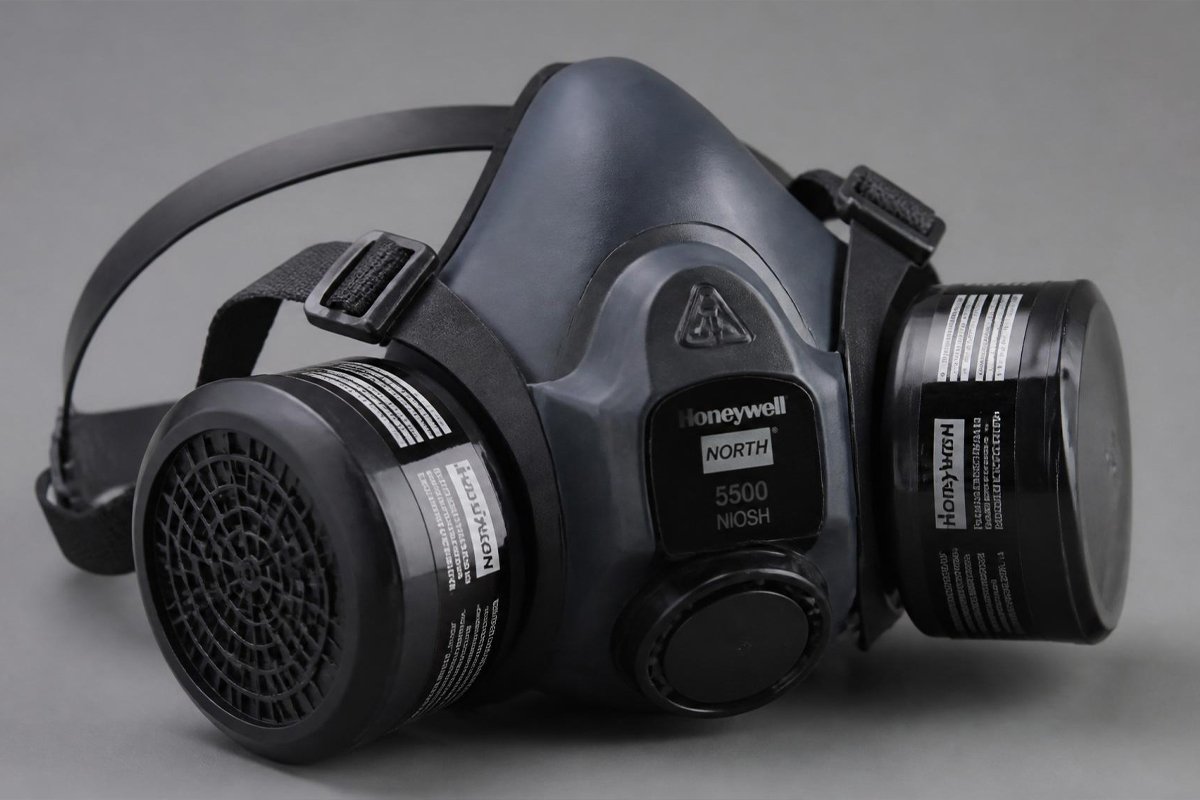
- Honeywell North 5500 Series Half-Mask with N75003 OV/P100 Cartridges — ~$30–45
Best for: Buyers who want a trusted alternative to 3M with equivalent protection and a different fit profile.
Honeywell’s North platform is the other major name safety-focused reviewers point to alongside 3M, and the 5500 series with matched OV/P100 cartridges delivers the same category of protection — full organic vapor and P100 particulate filtration suitable for spray paint fumes. Some users find the North facepiece shape fits certain face profiles more comfortably than 3M’s, which matters enough that trying both before committing to a full kit is worth considering if budget allows.
Cartridges and facepieces are not cross-compatible with 3M’s bayonet mount design, so once you commit to this platform, replacement cartridges need to be sourced specifically for it. That’s a minor inconvenience rather than a real drawback, and for anyone who prefers Honeywell’s fit or already owns other North-brand safety gear, it’s an equally valid top-tier choice.
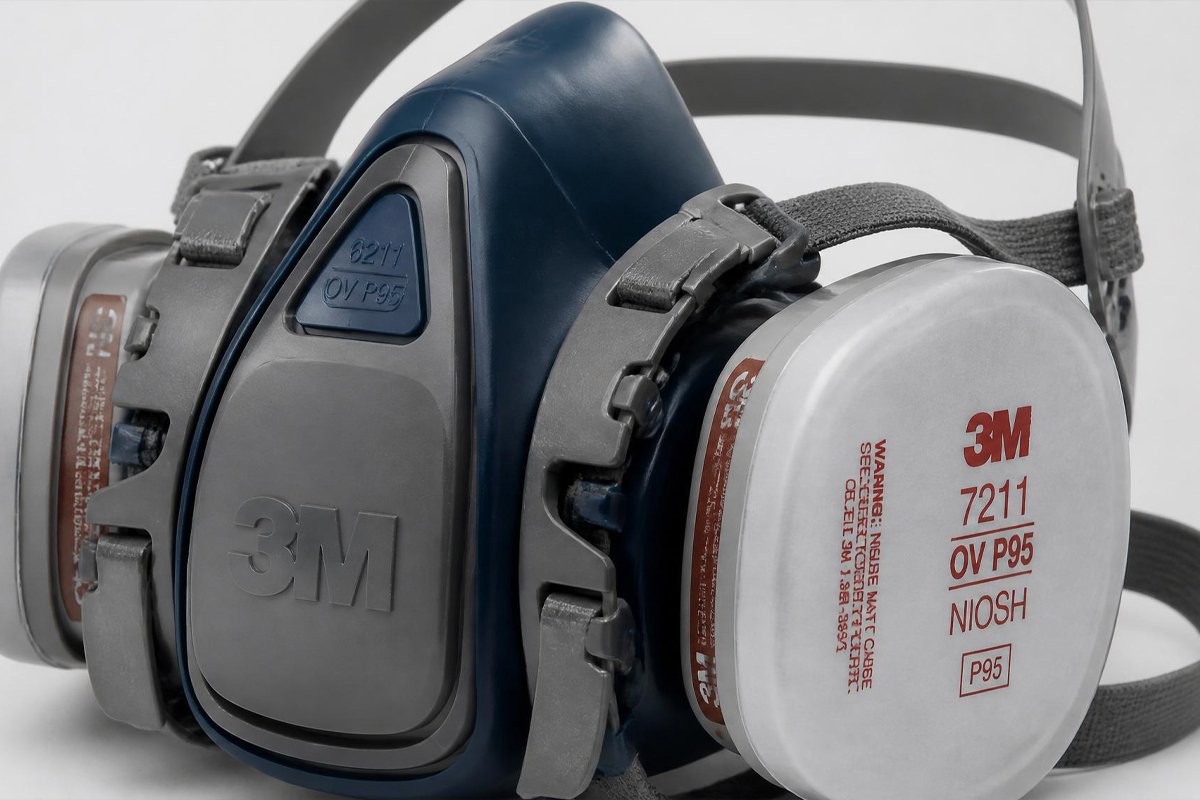
- 3M 6211 Half-Face Respirator (OV/P95) — ~$40–55
Best for: A slightly more affordable step into genuine cartridge-based protection than premium P100 options.
Often cited alongside the 7502 as a “gold standard” pick, the 6211 pairs organic vapor cartridges with P95 filtration in a design reviewers describe as striking a strong balance between protection and comfort. The soft thermoplastic faceseal creates a secure seal without feeling restrictive, and it’s a frequently recommended option for anyone moving up from a basic dust mask for the first time.
As with the 6311 above, the P95 rating trades a small amount of particulate efficiency versus P100 for typically lower cost. For the vast majority of home and hobby spray paint projects, that tradeoff is negligible, and it remains one of the most consistently praised respirators across independent safety review sites for real-world spray painting protection.
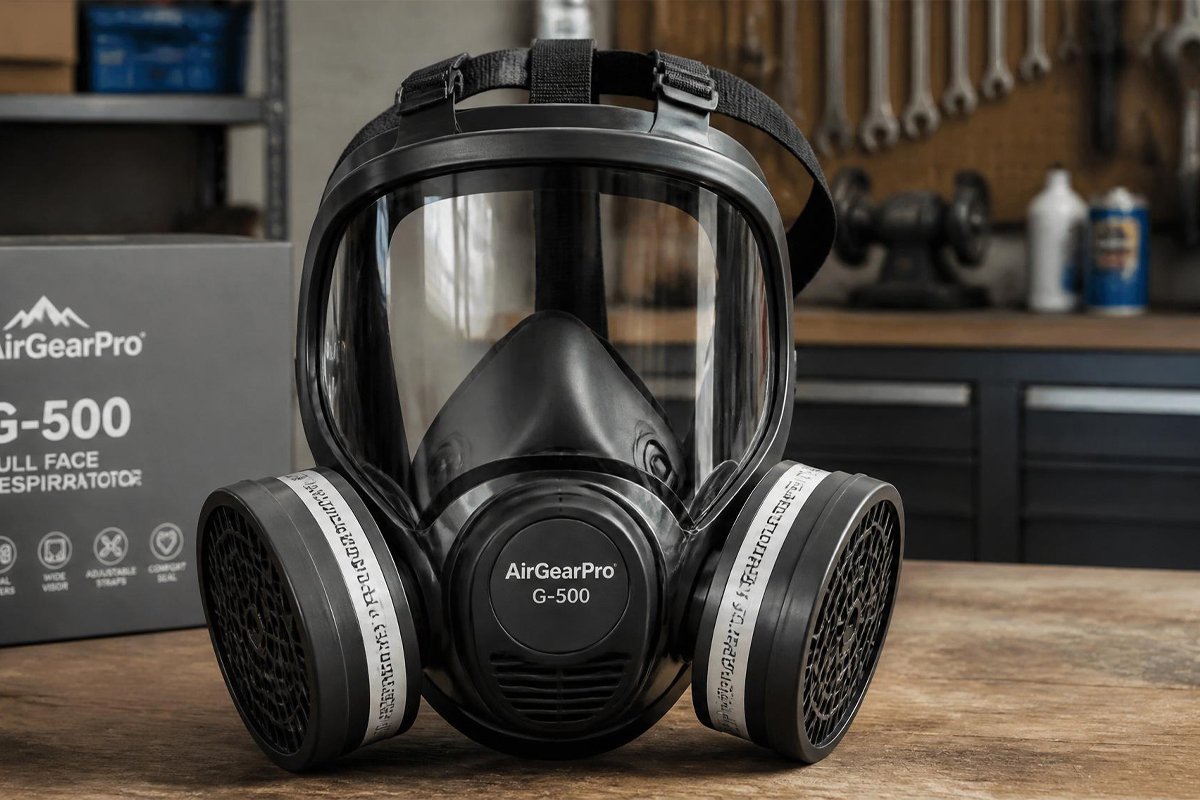
- AirGearPro G-500 Full-Face Respirator — ~$50–70
Best for: Spraying in enclosed spaces, working with isocyanate-containing automotive paints, or anyone who wants integrated eye protection.
Full-face respirators aren’t necessary for most everyday spray painting, but they earn their place for specific situations — spraying overhead where mist can reach your eyes, working with highly toxic automotive clearcoats containing isocyanates, or any enclosed-space project where a complete seal matters more than half-face convenience. The G-500 bundles full-face coverage with included accessories and cartridge options at a price well below premium industrial full-face units.
It’s bulkier, warmer, and more expensive than any half-face option above, and genuinely unnecessary for a typical furniture or trim touch-up project. But for the specific jobs that call for full-face protection — automotive respraying being the most common for a DIY site’s audience — it’s a well-reviewed, accessible way to get that extra layer of protection without paying professional industrial-supply prices.
N95 vs P95 vs P100: What’s the Actual Difference?
N95 filters block 95% of airborne particles but have no resistance to oil-based aerosols and, critically, contain no organic vapor filtration at all — meaning they do essentially nothing against the solvent fumes (xylene, toluene, mineral spirits) that make up much of spray paint’s actual health hazard. P95 and P100 filters are oil-resistant, with P100 offering the highest particulate filtration efficiency (99.97%) of the common ratings. For genuine spray paint protection, the filter or cartridge needs an organic vapor (OV) component paired with a P95 or P100 particulate filter — a P100 alone, or an N95 alone, each address only half the problem. This aligns with OSHA’s requirement (29 CFR 1910.134) for a NIOSH-approved organic vapor cartridge in an elastomeric facepiece for solvent-based painting work.
How to Clean and Maintain a Reusable Respirator
Reusable half-face and full-face respirators need basic maintenance to stay effective and comfortable over time:
- Disassemble the facepiece from the cartridges after each significant use and wash the facepiece with warm water and mild soap, avoiding harsh solvents or abrasive cleaners that can degrade the silicone or plastic.
- Air dry completely away from direct sunlight before reassembling and storing, since UV exposure can degrade the seal material over time.
- Store the respirator in a sealed bag or container away from dust and contaminants between uses, rather than leaving it hanging exposed in a garage.
- Inspect the faceseal, straps, and exhalation valve periodically for cracking or wear, and replace any degraded parts promptly rather than continuing to use a compromised seal.
Getting the Right Fit
A respirator that doesn’t seal properly against your face provides a fraction of its rated protection, regardless of how good the filter or cartridge is. Most half-face respirators come in multiple sizes (small, medium, large), and choosing correctly matters more than most first-time buyers expect — the 3M 7502 and similar models are available in different facepiece sizes specifically because face shape and size vary enough that one size doesn’t fit everyone well. If you’re required to wear a respirator occupationally, OSHA’s respiratory protection standard requires annual fit testing on the specific model and size you’ll actually use — a useful practice to follow even for personal DIY use, since a proper seal check each time you put the respirator on catches obvious fit problems before they matter.
Final Thoughts
For nearly all home and hobby spray painting, a half-face respirator with an OV/P100 or OV/P95 cartridge combination — the 3M 7502 or 3M 6211 above — is the correct, properly protective choice, not a basic dust mask. Best overall: the 3M 7502 with 60921 cartridges, the combination most safety-focused sources point to as the actual right answer. Best for enclosed-space or automotive work: the AirGearPro G-500 full-face respirator. Whichever you choose, pair it with the ventilation practices in our spray painting safety guide — a good respirator supplements proper airflow, it doesn’t replace it.
Frequently Asked Questions
Is an N95 mask enough for spray painting?
No — N95 masks filter particulates but have zero organic vapor filtration, meaning they don’t protect against the solvent fumes in most spray paints. A half-face respirator with an organic vapor cartridge is the correct choice for actual spray paint protection.
Do I need a full-face respirator for spray painting?
Not for most projects — a half-face respirator with separate safety glasses is sufficient for typical furniture, trim, and home DIY spraying. Full-face respirators are worth it for enclosed-space work, automotive isocyanate-containing paints, or overhead spraying where mist could reach your eyes.
How often do respirator cartridges need to be replaced?
Replace cartridges when you can smell paint fumes through the respirator, notice increased breathing resistance, or per the manufacturer’s recommended usage hours — whichever comes first. Cartridges saturate with use even if there’s no obvious warning sign.
Can I use Honeywell cartridges on a 3M respirator?
No — 3M and Honeywell use different bayonet mount designs that aren’t cross-compatible. Mixing brands can cause improper fit, cartridge failure, and voids the NIOSH approval of the combination.
Do I need to be fit-tested for a half-face respirator?
For occupational use, OSHA requires annual fit testing for tight-fitting respirators. For personal DIY use, a proper fit check per the manufacturer’s instructions each time you put it on is a reasonable minimum, even without formal fit testing.
Is a reusable respirator better than disposable masks in the long run?
For anyone spraying regularly, yes — a reusable half-face respirator with replaceable cartridges costs more upfront but works out cheaper over dozens of uses than repeatedly buying disposable masks, and it provides genuinely better protection against solvent vapors that disposable dust masks don’t filter at all.
Can I use the same respirator for sanding and spray painting?
A P100 or P95 particulate filter alone works for sanding dust, but spray painting needs the added organic vapor cartridge for solvent protection. Many half-face respirators let you swap cartridges, so the same facepiece can serve both purposes with the right cartridge attached for each task.
Author: Rodney Shiner
Last Updated: July 2026