
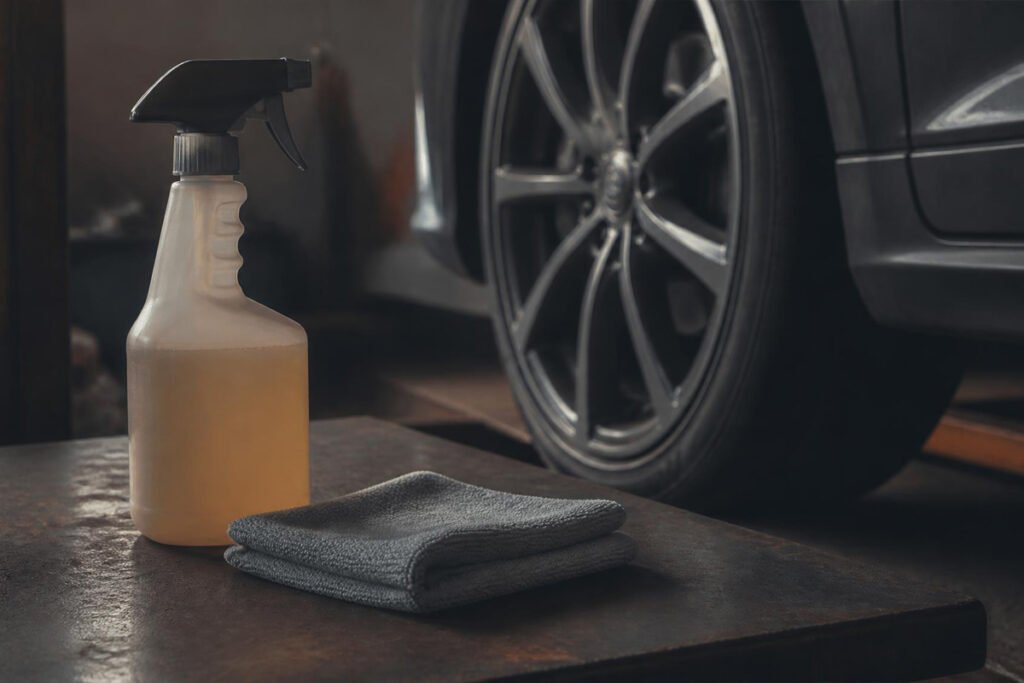
Sanding gets all the attention in most paint prep conversations, but sanding over a greasy or waxy surface just grinds the contamination deeper into the material instead of removing it. Oils from handling, silicone-based furniture polish, kitchen grease near cabinets, road grime on car parts, and invisible mold-release wax on new plastic parts are the single most common cause of fisheyes, adhesion failure, and paint that peels within weeks — and no amount of extra primer fixes a surface that wasn’t degreased first.
This guide covers the five degreasers and surface cleaners worth having in a home spray painter’s kit, organized by the material and project type each one actually handles best.
Quick Comparison: 5 Best Degreasers & Surface Cleaners for Paint Prep
| Product | Best For | Surface Types | Rinse Required? | Format |
| Krud Kutter GO326 Gloss Off | Best Overall (Degreaser + Deglosser) | Painted surfaces, metal, wood | No | Spray bottle |
| Custom Shop KW901 Wax & Grease Remover | Best for Automotive Panel Prep | Metal, plastic, vinyl, aluminum | No | Gallon liquid |
| POR-15 Cleaner Degreaser | Best for Metal Restoration Projects | Metal, canvas, vinyl, nylon | Yes (or wipe dry) | Concentrate (dilutable 10:1) |
| Simple Green Pro HD | Best Concentrated / Best Value | Metal, most hard surfaces | Yes | Concentrate (dilutable 1:1–1:30) |
| TSPE Cleaner Spray | Best No-Rinse for Wood & Cabinets | Bare wood, cabinets, walls | No | Spray bottle |
What to Look for in a Paint Prep Degreaser
- Residue-free drying: a degreaser that leaves its own oily or soapy film behind defeats the purpose — look for products explicitly described as residue-free or fast-evaporating.
- Surface compatibility: automotive-focused formulas are often safe on metal, plastic, and vinyl but can discolor bare wood; wood-safe formulas may not cut through heavy automotive grease. Match the product to the substrate.
- No-rinse vs. rinse-required: no-rinse formulas save a step and reduce water use, but heavily contaminated parts (engine components, garage-stored metal) often need a rinse-required formula for real cutting power.
- VOC and flammability: water-based, low-VOC, non-flammable formulas are safer for enclosed garages and indoor furniture projects; solvent-based degreasers cut grease faster but need more ventilation.
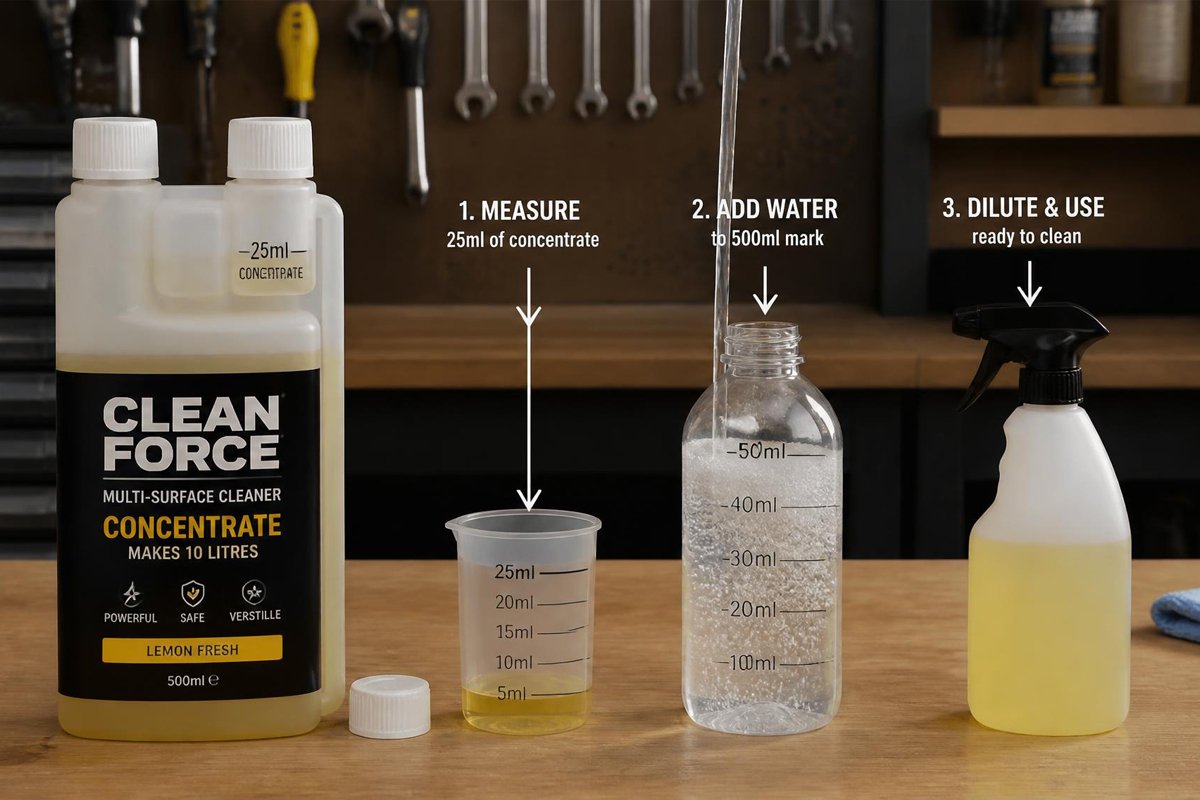
- Dilutable concentrates vs. ready-to-use: a concentrate stretches further and costs less per use for large or repeat projects, while ready-to-use sprays are more convenient for small, occasional jobs.
Degreasing happens before sanding, and sanding happens before primer — see our sanding sponges and sandpaper guide and spray paint primers guide for the steps on either side of this one.
The 5 Best Degreasers & Surface Cleaners for Spray Paint Prep
1. Krud Kutter GO326 Gloss Off — Best Overall (Degreaser + Deglosser in One Step)
Krud Kutter’s Gloss Off earns the top spot because it solves two prep problems at once: it’s a genuine degreaser, and it also dulls glossy existing finishes enough to give new paint something to grip onto, without a separate sanding pass in many cases. It’s water-based, biodegradable, non-toxic, and contains no xylene, which makes it one of the safer options for both indoor furniture work and outdoor automotive panels.
It’s non-flammable, which matters more than it sounds like it should in a garage where a spray gun, a compressor, and cleaning chemicals are all in the same space. The formula is built around maximizing adhesion and gloss on the finished coat, which is exactly the outcome most home spray painters are chasing.
Best for: general-purpose prep on furniture, cabinets, and automotive panels where you want a single product that both degreases and dulls existing gloss.
2. Custom Shop KW901 Grease and Wax Remover — Best for Automotive Panel Prep
This is the pick for anyone spraying automotive parts — wheels, bumpers, trim panels, or a full body respray. It’s formulated specifically to dissolve and lift grease, wax, tar, adhesive residue, tree sap, and silicone contaminants, all of which are common on parts that have spent time on a road-driven vehicle rather than sitting clean in a garage.
The water-based, low-VOC formula is compatible across primed or painted metal, plastic, vinyl, aluminum, and bare substrates, which matters on projects like
car rims and wheels that mix metal and sometimes plastic trim in the same job. It’s sold ready-to-use in a one-gallon container, sized for full-panel jobs rather than small touch-ups.
Best for: automotive parts and panels with real-world grime — road film, tar, tree sap — rather than light household dust or handling oils.
3. POR-15 Cleaner Degreaser — Best for Metal Restoration Projects
POR-15 built its reputation on rust-prevention products, and its Cleaner Degreaser is designed to be the first step in that system — removing grease, oil, wax, and soap film from metal before a rust-inhibiting primer goes on. It’s water-based and non-flammable, and it’s versatile enough to also work on canvas, vinyl, and nylon, not just bare metal.
What sets it apart is the dilution ratio: it can be cut up to 10:1 with water and still perform, which makes a single bottle stretch across a large restoration project. For rusted or pitted metal, pairing this with a dedicated metal prep or rust converter afterward gives the best adhesion results — the degreaser alone doesn’t neutralize existing rust.
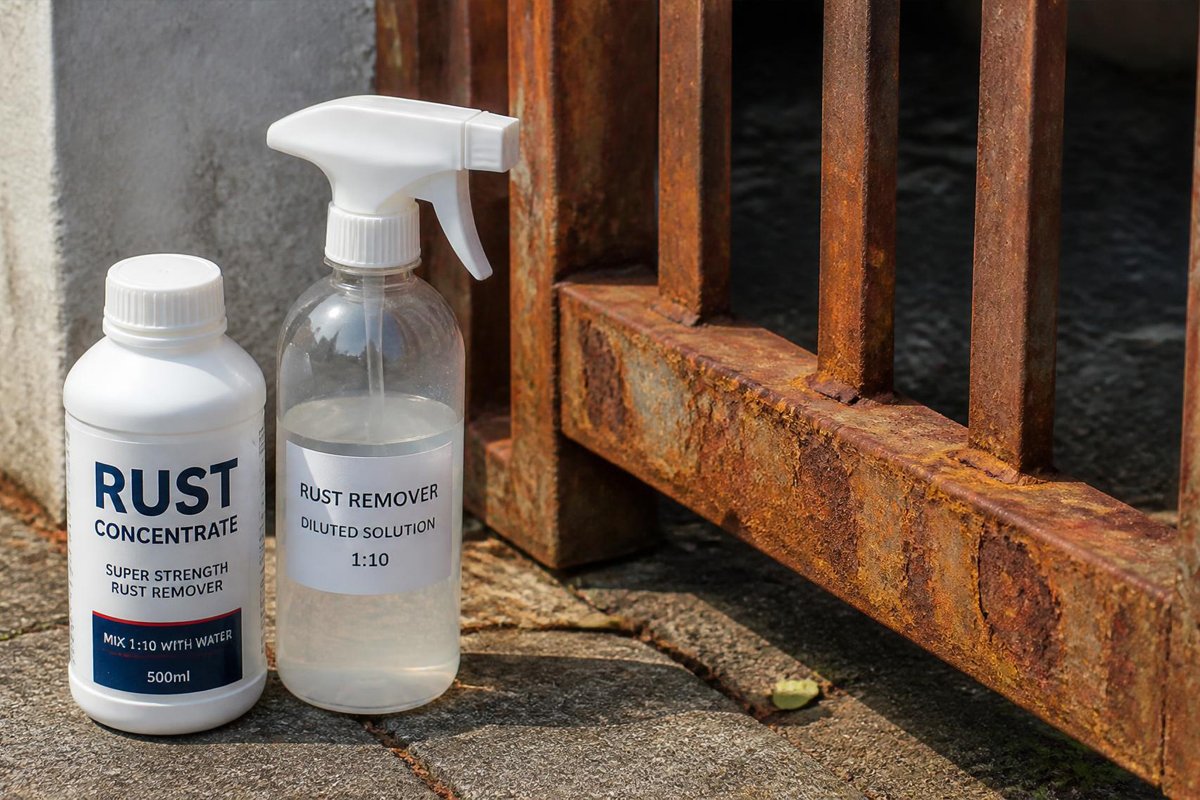
Best for: metal restoration projects (fences, gates, tools, older automotive parts) headed toward a rust-inhibiting primer system rather than a straight color coat.
4. Simple Green Pro HD — Best Concentrated / Best Value
Simple Green is a name most people already have on a shelf for general cleaning, and the Pro HD formula is the concentrated version built for heavier degreasing work. It dilutes anywhere from 1:1 for heavy contamination down to 1:30 for light cleaning, which means one bottle covers a huge range of jobs and substantially undercuts the cost-per-use of ready-to-use sprays.
It requires a rinse after application, which is a minor extra step but also means it cuts through heavier grease more thoroughly than several no-rinse alternatives. For anyone prepping multiple projects across a season — cabinets one month, patio furniture the next, a bike frame after that — the concentrate format makes the most economic sense.
Best for: DIYers running multiple spray paint projects over time who want one versatile, economical degreaser rather than buying a different specialty product for each job.
5. TSPE Cleaner Spray — Best No-Rinse for Wood & Cabinets
Traditional TSP (trisodium phosphate) has been the go-to cabinet and wood-prep cleaner for decades, but it requires careful rinsing and isn’t kind to plants or septic systems. TSPE Cleaner Spray delivers the same degreasing job — cutting through kitchen grease, cooking residue, and handling oils — in a phosphate-free, no-rinse, biodegradable formula that’s safe for bare wood.
Because it doesn’t require rinsing, it’s a faster prep step for cabinet doors, trim, and furniture, where a wet rinse step risks raising wood grain or leaving water spots on surfaces you’re about to sand and prime. It’s non-toxic and septic-safe, making it a reasonable choice for indoor kitchen prep work where ventilation is more limited than in a garage.
Best for: kitchen cabinet respray projects and wood furniture prep where a no-rinse, wood-safe formula matters — see our
cabinet spray painting guide for the full degrease-to-topcoat sequence on that kind of project.
How to Degrease a Surface Before Spray Painting
- Test on an inconspicuous spot first, especially on bare wood, stained finishes, or anything you’re unsure the formula is rated for.
- Apply according to the product’s dwell time — most degreasers need to sit wet on the surface for a few minutes to actually break down contaminants rather than just being wiped on and off immediately.
- Work in manageable sections rather than the whole project at once, especially with rinse-required formulas, so the cleaner doesn’t dry back onto the surface before you can wipe or rinse it off.
- Rinse thoroughly if the product calls for it — leftover cleaner residue interferes with adhesion almost as badly as the original grease did.
- Let the surface dry completely before sanding. Sanding a still-damp surface can push moisture into wood grain or leave streaks in the abrasive pattern.
- Degrease before you sand, not after — sanding first just grinds surface contamination into the material instead of removing it.
Common Degreasing Mistakes That Cause Paint Failure
- Skipping degreasing on “clean-looking” surfaces: handling oils, mold-release wax on new plastic, and silicone furniture polish are often invisible until paint reveals them as fisheyes or peeling.
- Using the wrong formula for the substrate: an automotive degreaser strong enough for road grime can sometimes discolor or raise the grain on bare wood; check the label before assuming any degreaser works on any surface.
- Not rinsing a rinse-required product: leftover cleaner residue is itself a contaminant that blocks primer adhesion just as effectively as the grease it was meant to remove.
- Wiping with a dirty or oily rag: reapplying a contaminated rag across a freshly degreased surface reintroduces exactly what you just removed.
- Priming before the surface is fully dry: trapped moisture under a fresh primer coat can cause bubbling or adhesion failure later, even if the surface looked dry to the touch.
Identifying What You’re Actually Cleaning Off
Not all surface contamination behaves the same way, and knowing which one you’re dealing with helps you pick the right product and dwell time rather than guessing.
- Handling oils and fingerprints: the most common and easiest to miss, since they’re invisible until paint beads up or fisheyes around them. A quick pass with any residue-free degreaser usually handles this.
- Mold-release wax on new plastic parts: many new plastic parts (bins, trim pieces, some hardware) are cast with a release agent that helps them pop out of the mold, and that same coating actively repels paint if it isn’t removed first.
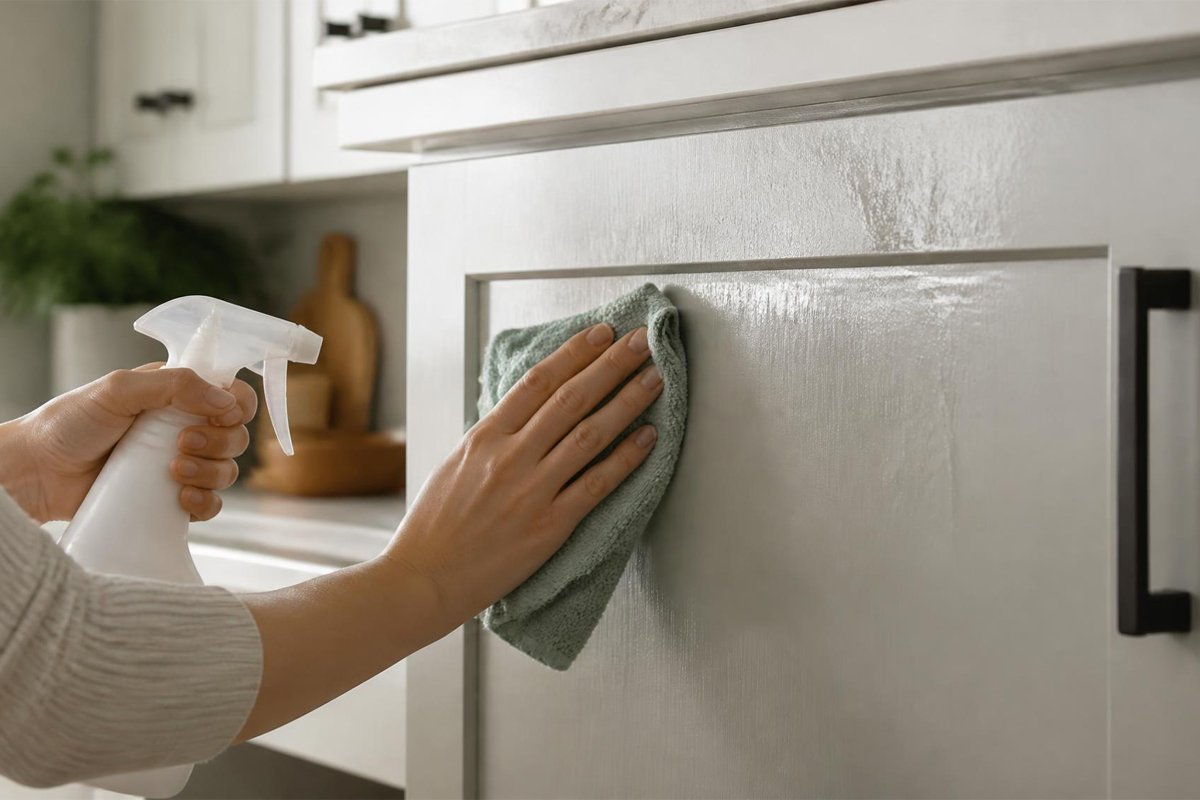
- Kitchen grease and cooking residue: builds up on cabinet surfaces near a stove over years, often as a nearly invisible tacky film that a quick wipe with water won’t fully remove.
- Road grime, tar, and tree sap: common on automotive parts and outdoor furniture, and typically needs a stronger dwell time or a dedicated automotive degreaser rather than a light household spray.
- Silicone-based polishes and treatments: notorious in the auto refinishing world for causing fisheyes even in trace amounts, and some require a dedicated silicone-removal step beyond standard degreasing.
Frequently Asked Questions
Do I need to degrease before spray painting if the surface looks clean?
Yes. Handling oils, mold-release wax on new plastic parts, and silicone-based polishes are often invisible to the eye but will cause fisheyes, poor adhesion, or peeling once paint is applied. A visibly clean surface can still be contaminated at a level that only shows up after painting.
What’s the difference between a degreaser and a deglosser?
A degreaser removes oils, wax, and grime from a surface. A deglosser (sometimes called liquid sandpaper) chemically dulls an existing glossy finish so new paint has something to grip onto, similar to what sanding accomplishes mechanically. Some products, like Krud Kutter Gloss Off, combine both functions in one step.
Can I use the same degreaser on wood, metal, and plastic?
Some multi-surface formulas are rated for all three, but not universally — automotive-focused degreasers can be harsher than bare wood can handle, and wood-safe no-rinse formulas may not cut through heavy automotive grease. Check the label for your specific substrate rather than assuming.
Is TSP still necessary if I have a modern no-rinse degreaser?
Traditional TSP is still effective, but modern phosphate-free, no-rinse alternatives accomplish the same degreasing job without the rinsing step, the septic and plant-safety concerns, or the risk of leftover white residue if it isn’t fully rinsed.
How long should a degreaser sit on the surface before wiping it off?
This varies by product, but most household and automotive degreasers need a few minutes of wet contact time to break down grease and wax before wiping or rinsing. Check the specific product’s label, since dwell times differ between light-duty sprays and heavy-duty concentrates.
Final Thoughts
A degreaser is the cheapest insurance in a spray painting project, and it’s also the step most likely to get skipped when a surface looks clean enough already. Krud Kutter Gloss Off covers general prep with a bonus deglossing effect, Custom Shop’s KW901 handles real automotive grime, POR-15 pairs with a full metal restoration system, Simple Green Pro HD stretches furthest across multiple projects, and TSPE covers kitchen cabinets and wood without a rinse step. Degrease first, sand second, and the rest of the paint job has a real chance of lasting.