
You picked a great topcoat, checked the weather, cleaned your surface, and sprayed a beautiful, even coat. Two weeks later it’s peeling at the corners, bleeding through in blotchy patches, or you can still see the old color ghosting through underneath. Nine times out of ten, the topcoat isn’t the problem — the primer is, or the lack of one.
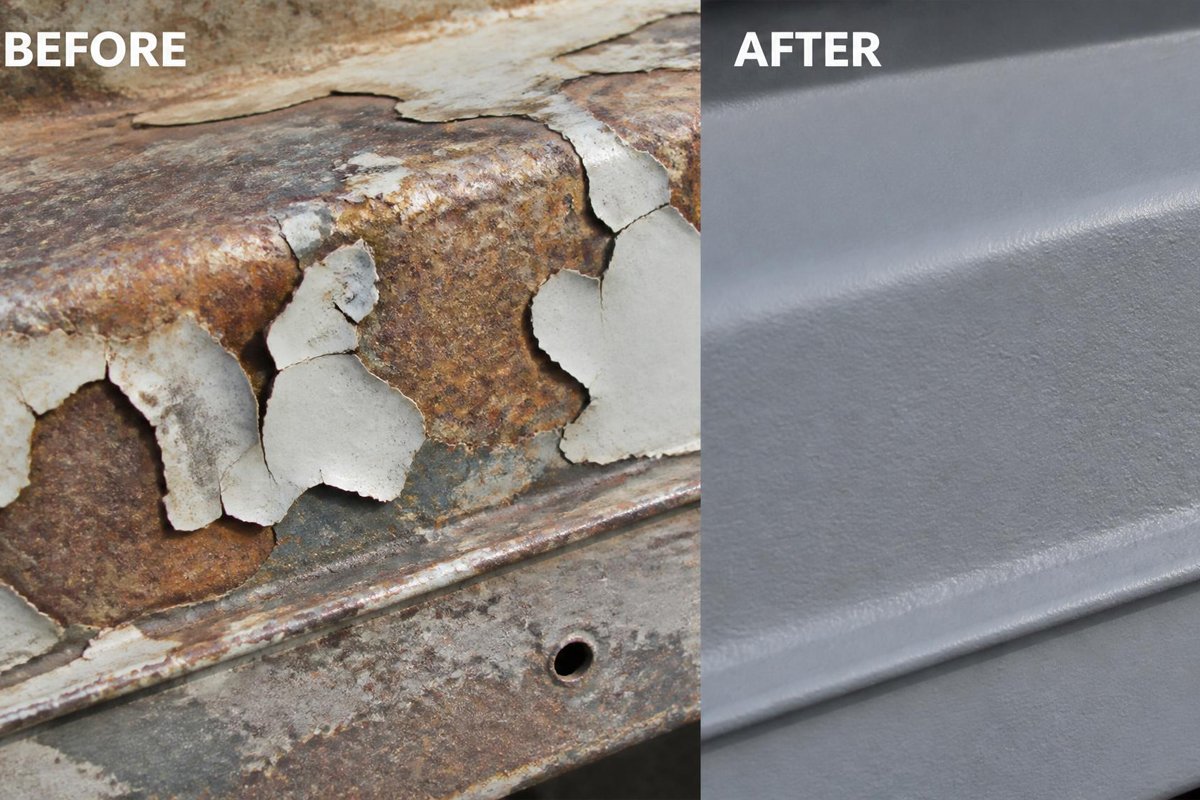
Primer is the layer nobody notices when it’s done right and the layer everybody blames the topcoat for when it’s done wrong. It’s what actually bonds to bare metal, seals porous wood, bites into slick plastic, and blocks stains and old colors from bleeding through. Skip it, or use the wrong type for your surface, and even the best spray paint on the market will fail early.
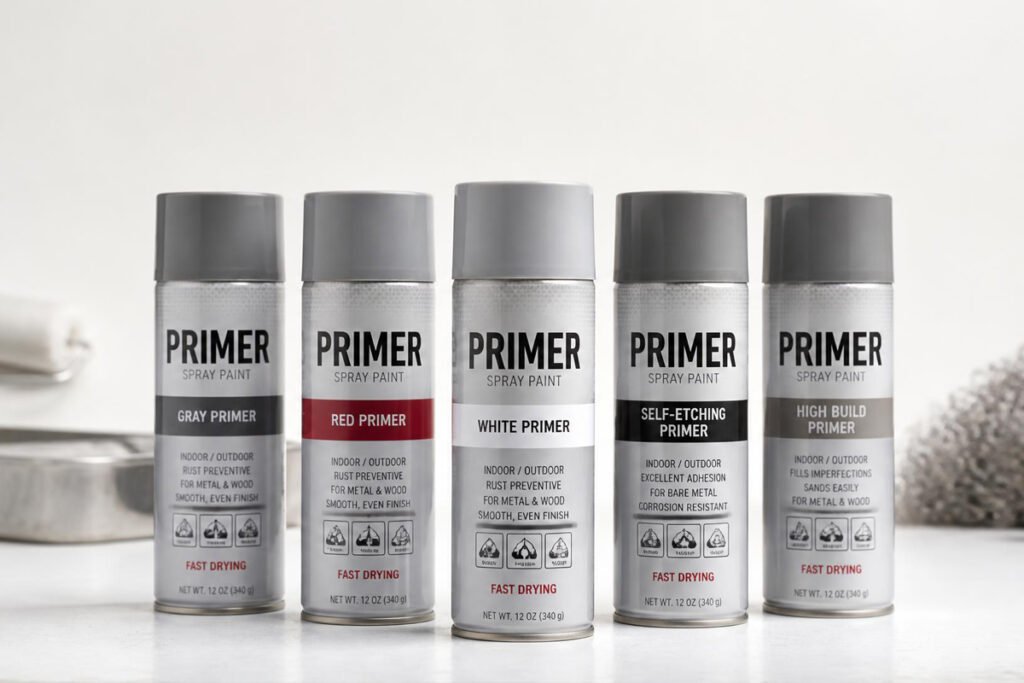
This guide breaks down the best spray paint primers available in 2026, organized by the surface and problem they solve, so you can match the right can to your project instead of grabbing whatever’s closest on the shelf.
Table of Contents
- Why Primer Matters More Than the Topcoat
- How to Choose the Right Primer for Your Surface
- The 5 Best Spray Paint Primers
- Primer Application Tips for a Smooth Base
- Common Primer Mistakes to Avoid
- FAQ
-
5 Best Spray Paint Primers for a Finish That Actually Sticks: Complete Buying Guide
Why Primer Matters More Than the Topcoat
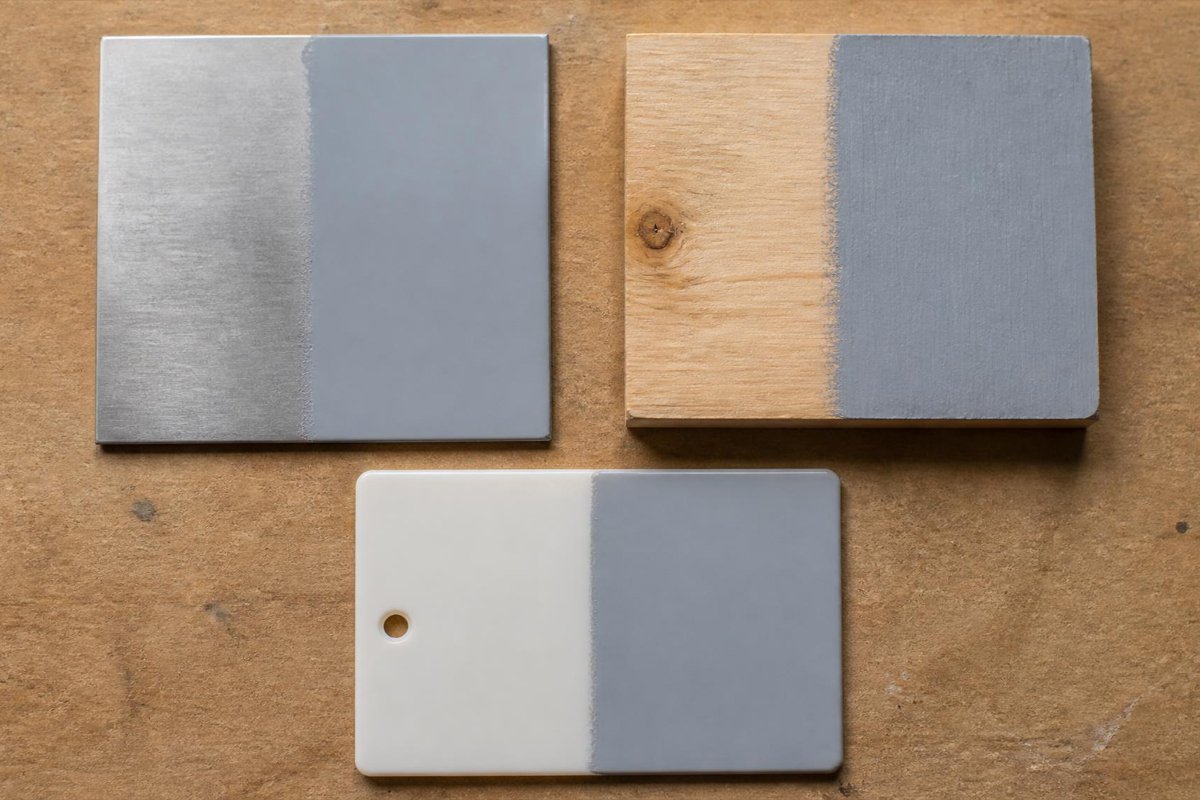
Paint failure almost always starts at the bond between the surface and the first layer, not the last one. Primer exists to solve three problems that topcoat paint isn’t designed to handle on its own:
- Adhesion — Bare metal, glossy plastic, and dense hardwoods don’t grip paint well on their own. Primer is formulated with resins that mechanically or chemically key into the surface, giving the topcoat something to hold onto.
- Sealing and blocking — Wood tannins, rust, permanent marker, water stains, and old dark colors will bleed straight through a fresh coat of paint without a stain-blocking primer underneath.
- Uniform base — Spray paint color and sheen read differently over different substrates. Primer evens out the surface so your topcoat color looks consistent instead of patchy.
Related reading: our guide on how to prep plastic for spray paint without peeling covers surface prep in more depth, and our best spray paint for metal guide pairs well with the metal primers below.
How to Choose the Right Primer for Your Surface
Before picking a can, match the primer type to what you’re actually painting:
| Surface | What You Need | Why |
|---|---|---|
| Bare/rusty metal | Rust-inhibitive metal primer | Blocks oxidation and gives topcoat a corrosion-resistant base |
| Slick plastic (PP, PE, vinyl) | Adhesion/bonding primer | Chemically etches non-porous plastic so paint won’t flake off |
| Raw or stained wood | Stain-blocking primer | Seals tannins and knots, stops bleed-through |
| Mixed materials in one project | Universal/multi-surface primer | One can covers wood, metal, and plastic without switching |
| Interior stains, smoke, or marker | Shellac or oil-based stain-blocking primer | Strongest bleed-through protection available in aerosol form |
If you’re not sure what your surface is made of, our types of spray paint explained guide has a breakdown that helps identify common materials before you buy.
The 5 Best Spray Paint Primers
1. Rust-Oleum Clean Metal Primer — Best Overall for Metal
Best for: Bare steel, iron, and aluminum projects — railings, tools, automotive parts, patio furniture frames.
Rust-Oleum’s Clean Metal Primer is the standard reference point most DIYers compare other metal primers against, and for good reason — it’s formulated specifically to bond to clean, bare metal and sets up a rust-resistant base layer underneath any topcoat. It sprays in a fine, even mist with minimal spitting, dries to the touch quickly, and sands smooth if you want an ultra-flat final coat.
Approx. price: $6–$8 per can
- ✅ Excellent adhesion on bare and lightly sanded metal
- ✅ Fast recoat window, keeps a weekend project moving
- ✅ Sandable for a glass-smooth topcoat
- ❌ Not formulated for heavily rusted surfaces — pair with a rust converter first
- ❌ Gray tone shows through light topcoat colors unless you use two coats
Our verdict: The default choice for straightforward bare-metal projects like the ones in our car rims and wheels guide — reliable, widely available, and inexpensive enough to keep a few cans on hand.
2. Krylon Fusion All-In-One Primer + Paint — Best for Plastic
Best for: Outdoor plastic furniture, storage bins, plastic trim, and mixed plastic/metal projects.
Plastic is the surface where skipping primer causes the fastest, most visible failure — paint that looks fine on day one flaking off in sheets within a week. Krylon Fusion’s bonding formula is built to chemically grip non-porous plastic without sanding or a separate primer step in many cases, which makes it the fastest path to a durable finish on the plastic projects covered in our spray paint plastic outdoor furniture guide.
Approx. price: $6–$8 per can
- ✅ True no-sand bonding on most common plastics (PVC, ABS, PP with light scuffing)
- ✅ Doubles as primer and color coat, saving a step
- ✅ Fast touch-dry time, around 10–15 minutes
- ❌ Being a primer/paint hybrid, you lose color flexibility — commit to their finish options
- ❌ Struggles on very slick, low-surface-energy plastics like polypropylene without scuff-sanding first
Our verdict: Pair this with the surface prep in our polypropylene painting guide for the toughest plastic types, and it becomes close to foolproof for everything else.
3. Zinsser B-I-N Shellac-Based Primer — Best Stain Blocker
Best for: Water stains, smoke damage, wood knots, tannin bleed, permanent marker, and interior trim with a mystery history.
Shellac-based primer is the strongest stain-blocking chemistry available in an aerosol can, and Zinsser’s B-I-N is the industry benchmark. If a stain has bled through two coats of a cheaper primer already, this is usually the product that finally stops it. It also dries unusually fast for a shellac formula, which matters when you’re doing multiple coats on trim or doors.
Approx. price: $9–$12 per can
- ✅ Blocks the toughest stains — water rings, nicotine, tannins, permanent marker
- ✅ Bonds to glossy surfaces without sanding, including laminate and glass
- ✅ Dries fast enough for same-day recoating
- ❌ Strong odor — ventilation is non-negotiable
- ❌ Alcohol-based, so cleanup needs denatured alcohol, not water or mineral spirits
Our verdict: Overkill for a simple furniture refresh, but the only reliable option once ordinary primer has already failed to block a stain — worth keeping one can on hand for interior door and trim work like our interior doors guide.
4. Rust-Oleum Painter’s Touch Ultra Cover Primer — Best Universal/Multi-Surface
Best for: Projects mixing wood, metal, and plastic — furniture with hardware, decor pieces, mixed-material DIY builds.
Not every project sticks to one material, and switching primer cans mid-project is a hassle. Rust-Oleum’s Ultra Cover primer line is formulated to adhere across wood, metal, and most plastics with the same can, trading a little of the specialization you’d get from a dedicated primer for genuine convenience. Coverage is thick enough to hide minor surface imperfections in a single coat.
Approx. price: $5–$7 per can
- ✅ One can covers wood, metal, and most plastics
- ✅ Thick, high-hide coverage — good at masking minor scratches and old color
- ✅ Wide availability at any hardware store
- ❌ Not as strong on bare rusted metal as a dedicated metal primer
- ❌ Not a true stain blocker — won’t stop tannin bleed on raw wood by itself
Our verdict: The practical pick for the multi-material projects in our DIY spray paint projects list, where you don’t want three different primer cans open at once.
5. Dupli-Color Sandable Primer — Best for Automotive Finish Prep
Best for: Auto body panels, bumpers, and any project heading toward a wet-sanded, high-gloss clear coat finish.
Automotive-grade primer needs to build enough film thickness to sand flat without cutting through to bare metal, and Dupli-Color’s sandable primer is built for exactly that workflow — spray, let it flash off, wet-sand with fine-grit paper, and move to color coat with a glass-smooth base. It’s a filler-primer, so it’s genuinely better at leveling minor surface texture than the general-purpose primers above.
Approx. price: $7–$10 per can
- ✅ High build for effective wet-sanding and leveling
- ✅ Formulated to work cleanly under automotive clear coats
- ✅ Good rust inhibition for panel work
- ❌ Requires more skill and dry time than a spray-and-go primer
- ❌ Overkill for simple furniture or decor projects
Our verdict: The right call when you’re chasing a show-quality finish, particularly alongside the process in our spray paint orange peel fix guide if you’re troubleshooting texture issues at the primer stage.
Primer Application Tips for a Smooth Base
- Shake for the full time listed on the can — usually 1–2 minutes after the mixing ball starts moving. Under-shaken primer sprays unevenly and cures with inconsistent adhesion.
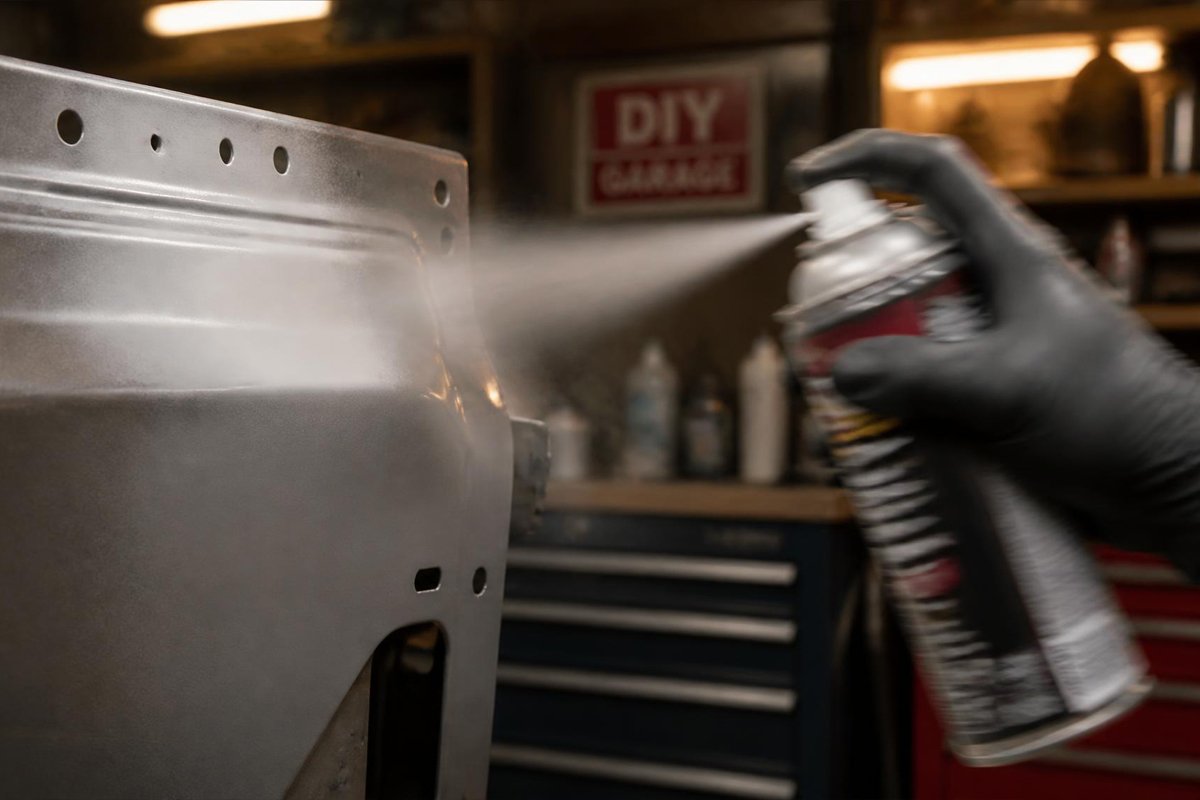
- Hold 8–12 inches from the surface and keep the can moving in steady, overlapping passes — stopping mid-pass is the most common cause of primer runs.
- Apply 2 thin coats rather than 1 thick one. Thin coats dry evenly and reduce the risk of sags; thick coats trap solvent underneath and can wrinkle the topcoat later.
- Respect the recoat window printed on the can. Spraying topcoat too early traps solvent; waiting too long past the window can mean the surface needs re-scuffing before paint will bond.
- Test on a hidden section first whenever you’re using a primer/plastic combination you haven’t tried before — some plastics react unpredictably even to bonding primers.
For full technique details on can distance, pass speed, and drying conditions, see our spray painting for beginners guide.
Common Primer Mistakes to Avoid
- Skipping primer on “self-priming” paints for tricky surfaces. Paint-and-primer-in-one products work fine on porous surfaces like wood but are not a substitute for a dedicated primer on bare metal or plastic.
- Using a wood primer on plastic, or vice versa. Each is formulated for a different bonding mechanism — wood primers rely on absorption into grain, plastic primers rely on chemical etching. Cross-using them leads to early failure.
- Painting over rust without treating it first. Primer slows rust, but it doesn’t stop rust that’s already active under the surface. Treat visible rust with a converter or sand it back to bare metal before priming.
- Not letting primer fully cure before wet-sanding. Sanding a primer coat that hasn’t cured gums up sandpaper and can gouge the film instead of leveling it.
FAQ
Do I always need a separate primer, or can I skip straight to paint? On porous surfaces like raw wood, a quality paint-and-primer-in-one can work for casual projects. On bare metal, glossy plastic, or anywhere you’re blocking a stain or old color, a dedicated primer step significantly extends how long the finish lasts.
Can I use a metal primer on wood, or a wood primer on metal? Not reliably. Metal primers are formulated around rust inhibition and don’t seal wood grain or tannins. Wood primers don’t have the anti-corrosive chemistry metal needs. Use the universal primer above if you want one can for mixed materials.
How long should I wait between primer and topcoat? Check the can — most aerosol primers list a recoat window, commonly 30 minutes to 1 hour for the earliest recoat, and up to a week maximum before the surface needs to be re-scuffed. Spraying topcoat outside that window in either direction risks poor adhesion.
Does primer color matter? Yes, for coverage. Gray or white primer under light topcoat colors can show through and dull the final color; tinted or dark primers under dark topcoats reduce the number of color coats needed.