
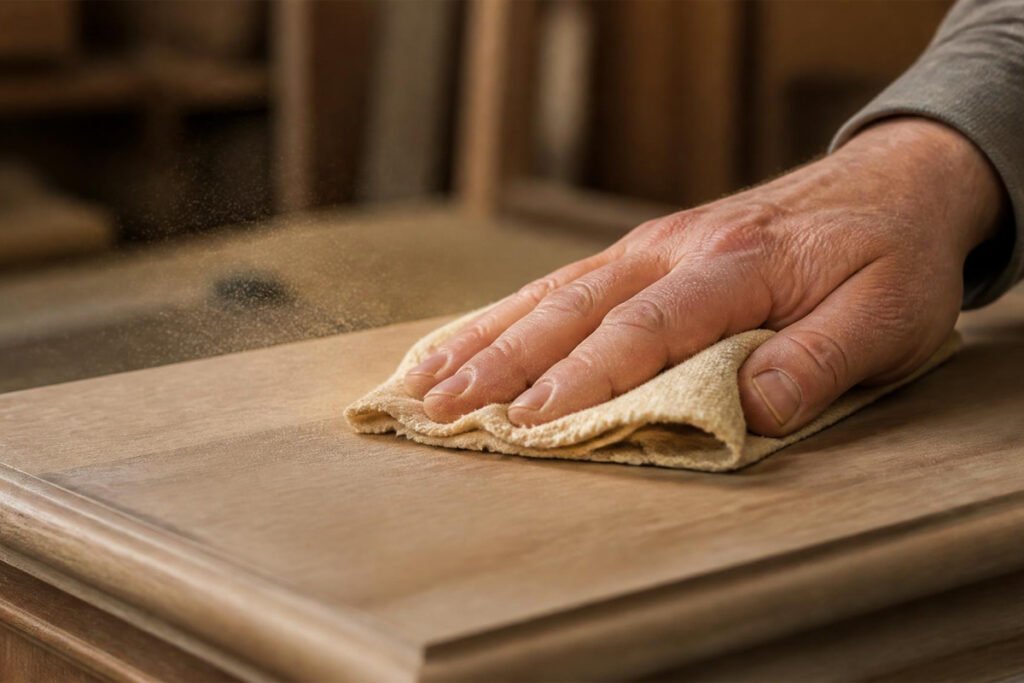
Even the best HVLP spray gun and a perfect masking job can’t save a finish if there’s fine dust sitting on the surface when you pull the trigger. Sanding dust, shop debris, and even airborne particles settle onto a project between prep and painting, and once they’re trapped under a coat of spray paint, the only fix is sanding it back and starting over.
A tack cloth is the cheap, five-minute step most DIYers skip — right up until they get a gritty, bumpy finish they can’t explain. This guide breaks down the best tack cloths and dust-free prep wipes for spray painting in 2026, so your surface is actually clean when the paint goes on, not just clean-looking.
Quick Answer
For most projects — furniture, cabinets, trim — a standard 3M or Trimaco SuperTuff tack cloth is all you need between sanding and spraying. If you’re working on a high-end or delicate finish where residue is a concern, a low-tack “blue” tack cloth avoids any risk of leaving behind wax or silicone traces. For automotive work, a solvent-safe tack rag like those used in the SEM system is worth the extra cost since it’s built for compatibility with automotive clear coats. In short: wipe down after every sanding step and between every coat, not just once at the start.
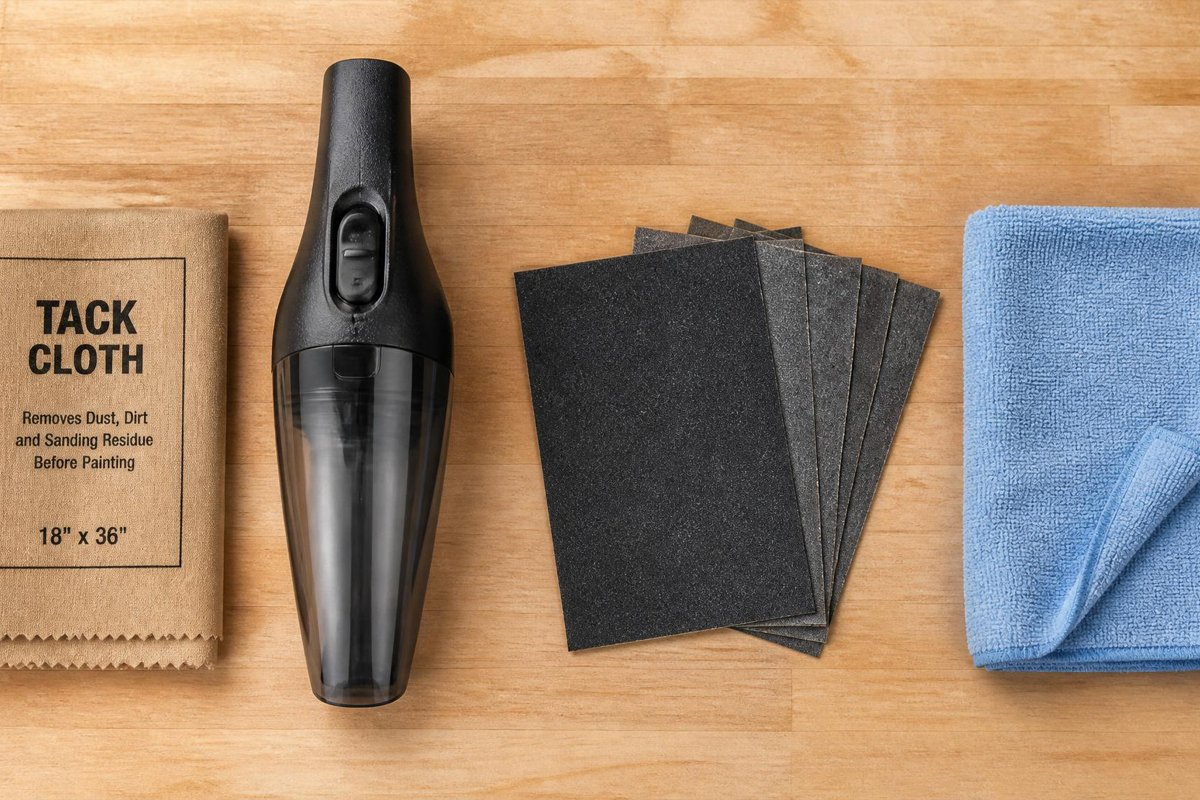
Table of Contents
- Why a Tack Cloth Matters More Than It Seems
- How to Choose the Right Tack Cloth
- Best Tack Cloths & Prep Wipes
- Comparison Table
- Prep Wipes for Different Project Types
- Common Mistakes
- Expert Tips
- Final Verdict
- FAQ
Why a Tack Cloth Matters More Than It Seems
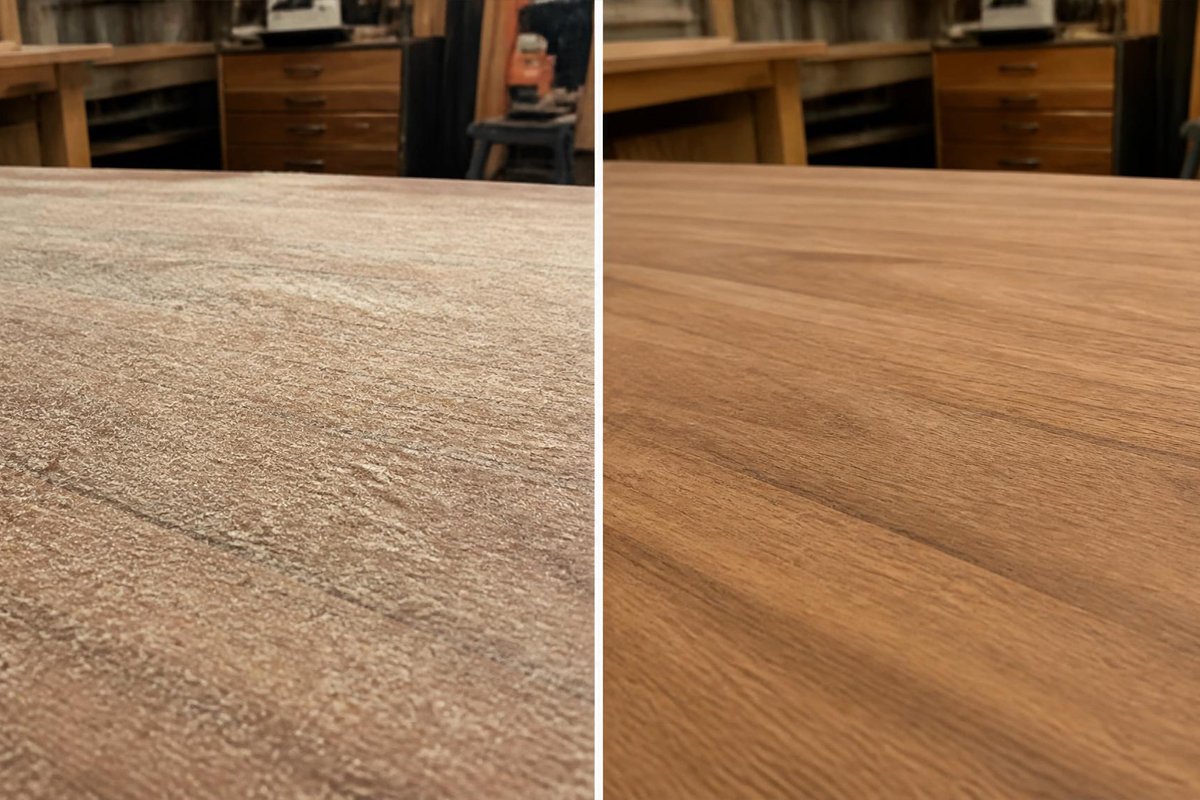
A tack cloth is a lightly resin-coated cloth that picks up fine dust a regular rag or vacuum leaves behind. Vacuuming and wiping with a dry cloth handle the bulk of visible debris, but they can’t grab the microscopic dust that clings to a surface through static, especially after sanding. That residual dust is exactly what causes the small bumps and rough texture people often blame on their paint or gun — when it’s actually a prep issue. This matters even more with spray painting than brushing, since a sprayed finish shows surface imperfections more clearly, as covered in our best spray paint techniques for a professional finish guide.
How to Choose the Right Tack Cloth
Before you buy, consider:
- What am I finishing? Standard tack cloths work great on wood, metal, and most trim; for glass or fabric, skip the tack cloth and use a different cleaning method instead.
- How delicate is the surface or finish? A high-tack cloth can occasionally leave faint residue on very glossy or delicate surfaces — a low-tack “blue” or “delicate” version avoids this risk.
- Am I doing multiple coats? If you’re applying more than one coat, you’ll want enough tack cloth (or a reusable one) to wipe down between every single coat, not just before the first.
Best Tack Cloths & Prep Wipes
3M Tack Cloth (10-Pack)
Overview: A go-to standard for both professionals and DIYers, 3M’s tack cloth uses a light, solvent-free adhesive that grabs dust without leaving the drag marks or residue that cheaper cloths sometimes cause. Key Features:
- Solvent-free formula, safe for water-based paints
- Works on wood, metal, plastic, and fiberglass
- 18″ x 36″ size covers large surfaces per cloth
- Reusable across multiple wipe-downs if kept sealed Best For: General furniture, cabinet, and trim prep before spraying Pros: ✅ Doesn’t leave residue on most surfaces ✅ Large size covers ground quickly ✅ Reusable, good value across a 10-pack Cons: ❌ Needs to be resealed properly between uses or it dries out ❌ Not intended for glass or fabric Our Verdict: This is the tack cloth to keep in every spray painting kit — it’s affordable, effective, and works across nearly every material you’d realistically be spraying.
Trimaco SuperTuff Tack Cloth
Overview: A cotton-mesh tack cloth built specifically with painters, woodworkers, and automotive refinishers in mind, with a wax- and silicone-free formula that won’t interfere with adhesion on subsequent coats. Key Features:
- Cotton mesh construction for durability
- Wax and silicone free
- Low-tack “blue” version available for delicate finishes
- Reusable if not fully saturated with dust Best For: Base coats, final coats, and clear coats where adhesion between layers is critical Pros: ✅ Wax/silicone-free formula protects multi-coat adhesion ✅ Blue version specifically made for sensitive finishes Cons: ❌ Slightly pricier than basic tack cloths ❌ Cotton mesh can feel stiffer to handle than softer alternatives Our Verdict: A strong choice if you’re doing multi-coat work — like a primer, base coat, and clear coat sequence — where any residue between layers could cause adhesion problems.
SEM Tack Cloths (Automotive-Grade)
Overview: Built specifically for automotive refinishing, these tack cloths are designed to work cleanly with the solvent-based paints and clear coats common in car painting, where compatibility between prep products and coatings really matters. Key Features:
- Formulated for compatibility with automotive-grade paints and clears
- Designed for use in controlled, low-humidity environments
- Recommended as part of a full prep system alongside solvent cleaners Best For: Automotive touch-ups, panel work, and full vehicle respraying Pros: ✅ Purpose-built for automotive coating systems ✅ Reduces risk of fisheyes from incompatible residue Cons: ❌ Costs more than general-purpose tack cloths ❌ Overkill for basic furniture or trim projects Our Verdict: If you’re working through the process in our how to spray paint a car at home guide, this is worth the extra cost — automotive clear coats are especially sensitive to any leftover residue on the surface.
Comparison Table
| Product | Best For | Price Range | Key Benefit | Watch Out For |
|---|---|---|---|---|
| 3M Tack Cloth (10-pack) | General furniture/trim | $ | Reliable, no residue, reusable | Needs proper resealing |
| Trimaco SuperTuff Tack Cloth | Multi-coat projects | $$ | Wax/silicone-free formula | Stiffer feel |
| SEM Tack Cloths | Automotive refinishing | $$ | Built for solvent-based systems | Overkill for small jobs |
Prep Wipes for Different Project Types
Furniture & Cabinet Refinishing
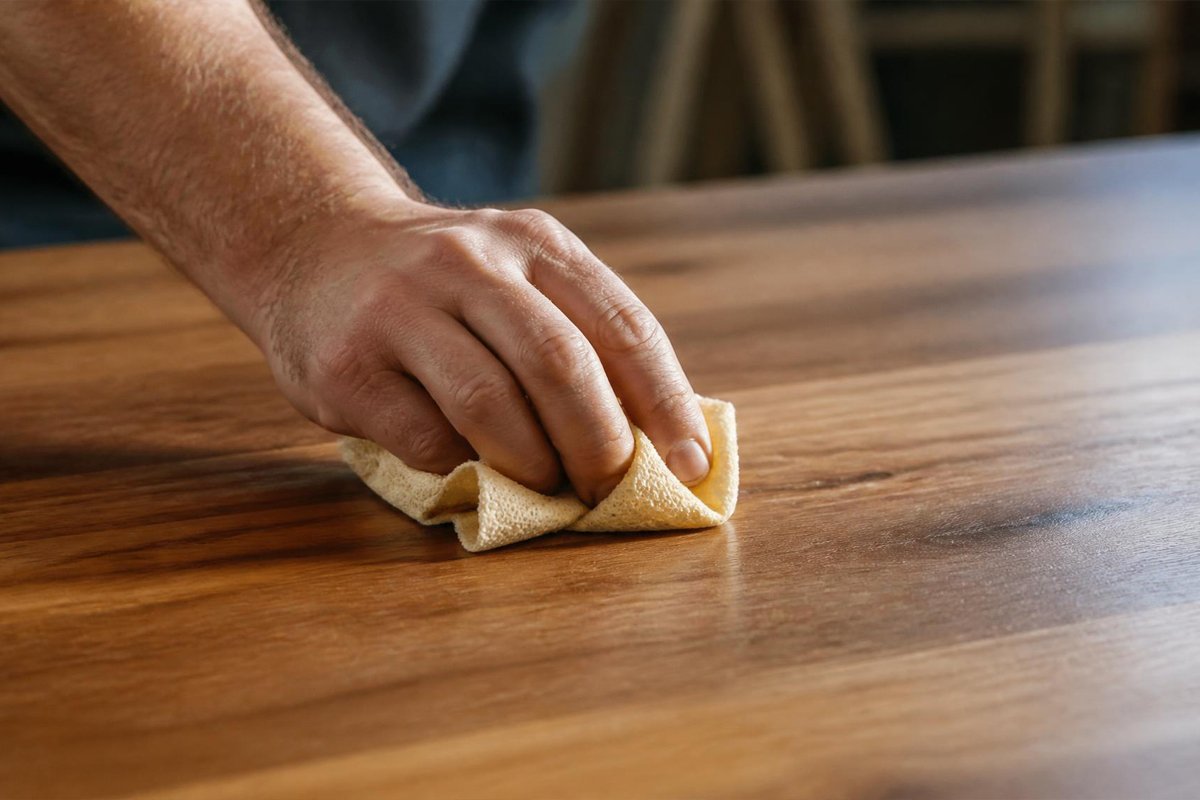
A standard 3M tack cloth after sanding, and again right before spraying, handles nearly everything — pair it with the tips in our furniture streak-free painting guide for a clean finish start to end.
Multi-Coat & Clear Coat Projects
Use a wax/silicone-free tack cloth like the Trimaco SuperTuff between every single coat, not just before the first — even minor dust settling between coats can telegraph through a glossy clear finish.
Automotive Work
Stick with a purpose-built automotive tack cloth or SEM system product, especially before any clear coat step, where residue-related fisheyes are far more visible and costly to fix.
Common Mistakes
Only wiping down once, before the first coat. Dust settles between coats too, especially in an open garage — skipping the wipe-down between coats is a common cause of a gritty final finish, related to the bubbling issues covered in why your spray paint is bubbling.
Pressing too hard or scrubbing with the tack cloth. A tack cloth is meant to lightly draw dust into it, not scrub the surface — pressing hard can occasionally transfer resin onto the surface instead of lifting dust off it.
Using a dried-out or overly dirty tack cloth. Once a tack cloth is saturated with dust or has dried out from improper storage, it stops working effectively and can just push debris around instead of removing it — know when to grab a fresh one.
Expert Tips
Wipe in one direction, not back and forth. Light, single-direction passes lift dust more effectively than scrubbing motions, which can redistribute debris rather than remove it.
Store your tack cloth sealed between uses. Keeping it in a sealed plastic bag or its original packaging prevents it from drying out and extends how many times you can reuse it.
Vacuum first, then tack cloth. A quick vacuum pass before the tack cloth removes the bulk of loose debris, leaving the tack cloth to handle only the fine dust it’s actually designed for — this combination works especially well before setting a piece on a drying rack to cure.
Final Verdict
Best Overall: 3M Tack Cloth (10-pack) — affordable, reliable, and works across nearly every surface. Best for Multi-Coat Projects: Trimaco SuperTuff Tack Cloth — wax/silicone-free formula protects adhesion between coats. Best for Automotive Work: SEM Tack Cloths — purpose-built for solvent-based paint systems. Best for Delicate Finishes: A low-tack “blue” or delicate-surface tack cloth from either 3M or Trimaco.
Frequently Asked Questions
Do I really need a tack cloth if I already vacuumed the surface? Yes — a vacuum removes visible debris, but a tack cloth’s light adhesive picks up the microscopic dust that clings to a surface through static, which a vacuum alone can’t fully remove.
Can I reuse a tack cloth, or is it single-use? Most tack cloths are reusable multiple times as long as they’re kept sealed between uses and aren’t fully saturated with dust — once they stop picking up debris effectively, it’s time to replace them.
Will a tack cloth leave residue on my project? Quality tack cloths from reputable brands are designed not to leave residue on most surfaces, but very glossy or delicate finishes can occasionally show faint marks — a low-tack “delicate surface” version avoids this risk.
How long before spraying should I use the tack cloth? Right before you start spraying, ideally within a few minutes — dust can resettle on a surface over time, especially in an active workshop.
Do I need to tack cloth between every coat, or just before the first one? Between every coat — dust settles during dry time too, and skipping the wipe-down between coats is one of the most common causes of a gritty final finish.
Can I use a tack cloth on glass or fabric? No — tack cloths are formulated for wood, metal, plastic, and similar rigid surfaces; using one on glass or fabric isn’t recommended and won’t give the results you’re after.
What’s the difference between a regular and a “delicate surface” tack cloth? A delicate-surface tack cloth uses a lighter adhesive specifically to reduce the already-low risk of residue transfer on sensitive or high-gloss finishes.
Is a more expensive automotive tack cloth really necessary for a car respray? For clear coat and base coat automotive work, yes — these coatings are more sensitive to any incompatible residue than general household paint, making a purpose-built product worth the extra cost.
Last Updated: July 2026