
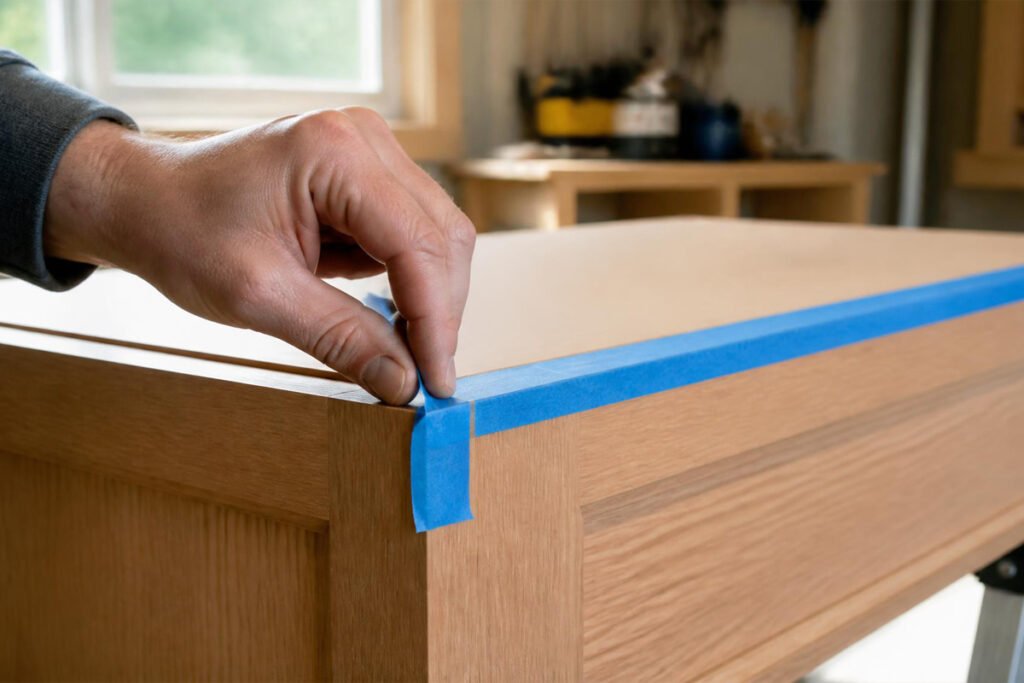
You can have the best HVLP spray gun, a perfectly dialed-in compressor, and flawless technique — and still end up with a ruined project because paint bled under a cheap roll of tape onto a surface you wanted left clean. Spray painting is far less forgiving than brushing when it comes to overspray; a fine mist travels and settles everywhere the wind or airflow carries it, which makes your masking setup just as important as your gun and paint.
This guide breaks down the best masking tapes and films for spray painting overspray control in 2026, so you can protect hardware, glass, trim, and surrounding surfaces without bleed-through or a peeling nightmare afterward. It pairs well with the fundamentals in our spray painting for beginners starter guide if you’re just getting your setup together.
Quick Answer
For most spray painting projects, FrogTape Multi-Surface is the strongest all-around choice — its PaintBlock edge technology actively seals against bleed-through better than standard tape. For large flat areas like walls, furniture backs, or vehicle panels, pair your tape with a pre-taped masking film like ScotchBlue’s Sharp Lines dispenser roll to cover ground fast. For delicate or freshly painted surfaces, a low-tack tape like FrogTape Delicate Surface or ScotchBlue Delicate Surface avoids peeling paint off when removed. In short: use edge-sealing tape on the lines that matter most, and film for everything you just need to cover quickly.
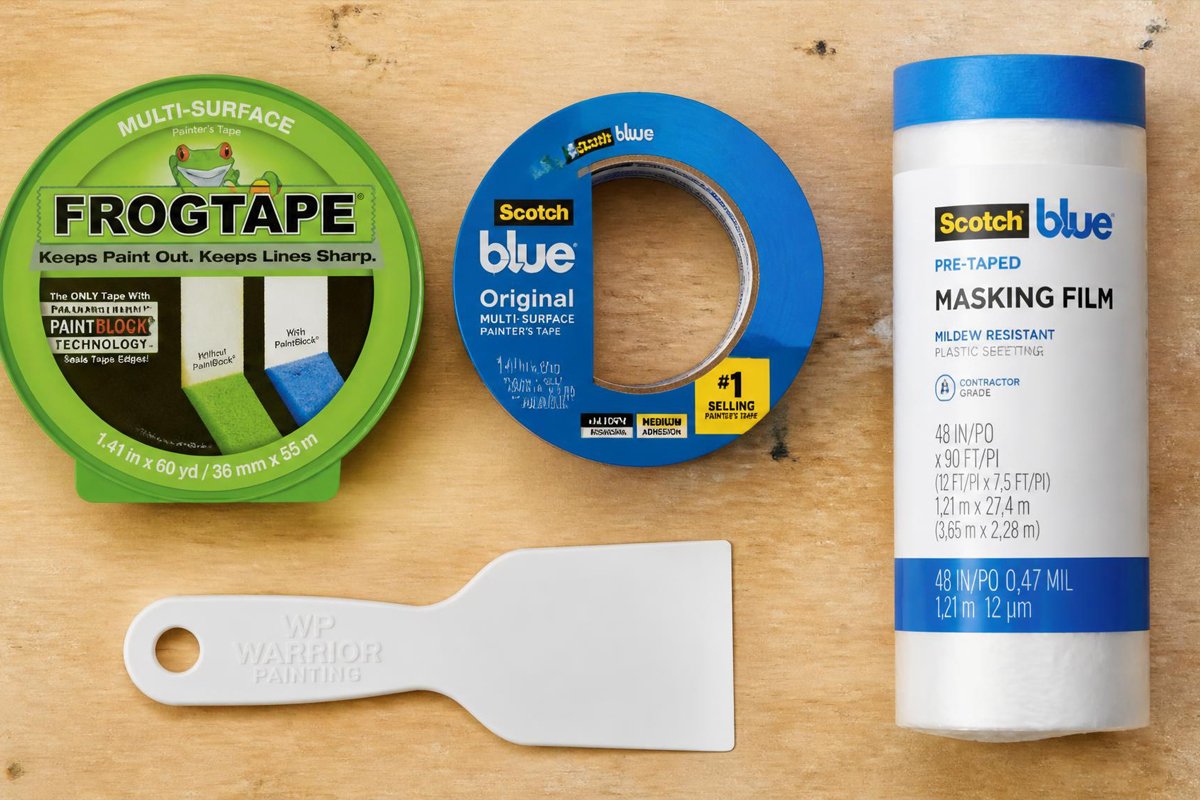
Table of Contents
- Why Masking Matters More for Spray Painting Than Brushing
- How to Choose the Right Tape or Film
- Best Masking Tapes & Films
- Comparison Table
- Masking for Different Project Types
- Common Mistakes
- Expert Tips
- Final Verdict
- FAQ
Why Masking Matters More for Spray Painting Than Brushing
A brush deposits paint exactly where you put it; a sprayer creates a fine mist that drifts, especially with HVLP guns or in any airflow. That means the line between “masked” and “unmasked” needs to physically seal against the surface, not just sit near it — any gap lets overspray creep underneath. This is also why proper airflow and setup matters: our spray booth ventilation guide and portable spray paint booths roundup both help reduce how far overspray travels in the first place, which takes some of the pressure off your masking job.
How to Choose the Right Tape or Film
Before taping up, ask:
- What surface am I masking? Textured surfaces, glossy trim, and glass all need different adhesion levels — a tape that’s too aggressive can pull paint or finish off when removed.
- How long will the tape stay on? Multi-day projects need a tape rated for extended exposure; a quick same-day job can use a more basic option.
- Am I covering a small edge or a large area? Thin tape works for trim lines and hardware; large flat surfaces are faster to cover with a pre-taped masking film.
According to the EPA’s guidance on lead-safe painting practices, proper masking and containment of surrounding surfaces is also a key part of controlling paint dust and overspray in renovation work, not just a cosmetic step.
Best Masking Tapes & Films
FrogTape Multi-Surface (PaintBlock Technology)
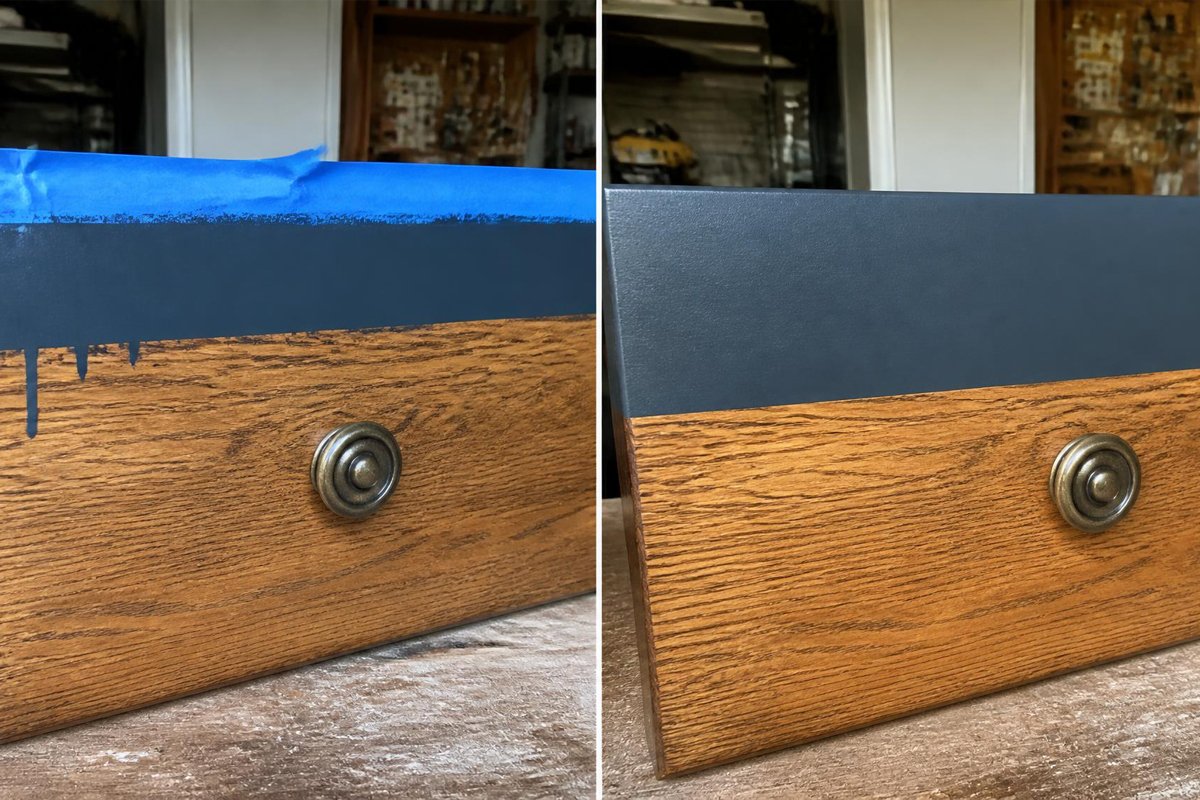
Overview: FrogTape’s signature feature is PaintBlock — an edge coating that reacts with water-based paint to form a micro-barrier, actively sealing the tape edge rather than just relying on pressure. This gives noticeably crisper lines than standard tape, especially on textured or slightly uneven surfaces. Key Features:
- PaintBlock edge-sealing technology
- Available in multiple widths (0.94″, 1.41″, 1.88″)
- Clean removal up to about three weeks indoors
- Works on drywall, wood, and most painted trim Best For: Furniture, cabinets, trim lines, and any project where a crisp edge matters most Pros: ✅ Best bleed resistance of any consumer tape ✅ Clean removal without residue ✅ Widely available in multiple sizes Cons: ❌ Costs more per roll than basic tape ❌ Not rated for very fresh paint (under 24 hours) — use a delicate-surface variant instead Our Verdict: This is the tape to reach for on the fine detail work covered in our how to spray paint furniture without streaks guide — the sharper the line you need, the more the PaintBlock edge earns its higher price.
ScotchBlue Original Multi-Surface (2090)
Overview: The tape most paint counters stock by default, and for good reason — it’s a reliable, moderate-tack tape that performs well across a wide range of surfaces without the premium price of specialty tapes. Key Features:
- UV and moisture-resistant for multi-day exterior use
- Moderate tack suitable for most painted and unpainted surfaces
- Long-standing reputation for consistent adhesion Best For: General-purpose masking, exterior projects, longer-duration jobs Pros: ✅ Reliable performance across many surface types ✅ Good for multi-day exterior projects ✅ Easy to find anywhere Cons: ❌ Slightly more prone to minor bleed on heavily textured surfaces than FrogTape ❌ Not the best choice for very delicate, freshly painted surfaces Our Verdict: A dependable all-arounder — if you’re not sure which tape to grab for a general project, this is the safe default, and it holds up well for the multi-day exterior work covered in our spray painting outdoors guide.
ScotchBlue Sharp Lines Pre-Taped Masking Film
Overview: This combines a roll of plastic sheeting with a strip of painter’s tape already attached along one edge, dispensed together so you can mask large flat areas — walls, counters, vehicle panels — in a fraction of the time it takes to tape and cover separately. Key Features:
- Pre-taped plastic sheeting in a continuous roll
- Static cling helps the film stay in place on vertical surfaces
- Available in multiple widths for different coverage needs Best For: Large flat surfaces, vehicle panels, and covering nearby furniture or fixtures quickly Pros: ✅ Dramatically faster than separate tape and plastic ✅ Static cling reduces the need for extra tape ✅ Good seal against overspray at the taped edge Cons: ❌ Overkill for small trim or detail work ❌ Requires a dispenser or careful hand-tearing to use efficiently Our Verdict: Essential for anyone doing full panel work, like the process in our how to spray paint a car at home guide — trying to mask an entire vehicle or wall with standalone tape and plastic sheeting alone takes far longer.
FrogTape / ScotchBlue Delicate Surface Tape
Overview: A low-tack version built specifically for surfaces that a standard tape could damage — freshly painted walls, wallpaper, or delicate trim — trading some hold strength for a gentler release. Key Features:
- Significantly lower adhesion than standard painter’s tape
- Designed for surfaces painted within the last few days
- Still provides reasonable edge definition Best For: Freshly painted surfaces, delicate trim, wallpaper-adjacent masking Pros: ✅ Won’t pull paint or finish off on removal ✅ Good option when standard tape has failed on a surface before Cons: ❌ Lower tack means it can lift slightly on longer projects ❌ Not ideal for heavy overspray situations needing a strong seal Our Verdict: Keep a roll of this on hand specifically for touch-up work or any surface you’re not fully confident a standard tape won’t damage.
Comparison Table
| Tape/Film | Best For | Price Range | Key Benefit | Watch Out For |
|---|---|---|---|---|
| FrogTape Multi-Surface | Fine detail, furniture, trim | $$ | Best bleed resistance | Higher price per roll |
| ScotchBlue Original (2090) | General/exterior use | $ | Reliable, widely available | Minor bleed on rough textures |
| ScotchBlue Sharp Lines Film | Large panels, vehicles, walls | $$ | Covers large areas fast | Overkill for small jobs |
| Delicate Surface Tape | Fresh paint, sensitive surfaces | $$ | Won’t damage finish on removal | Lower tack, less sealing power |
Masking for Different Project Types
Furniture & Cabinet Refinishing
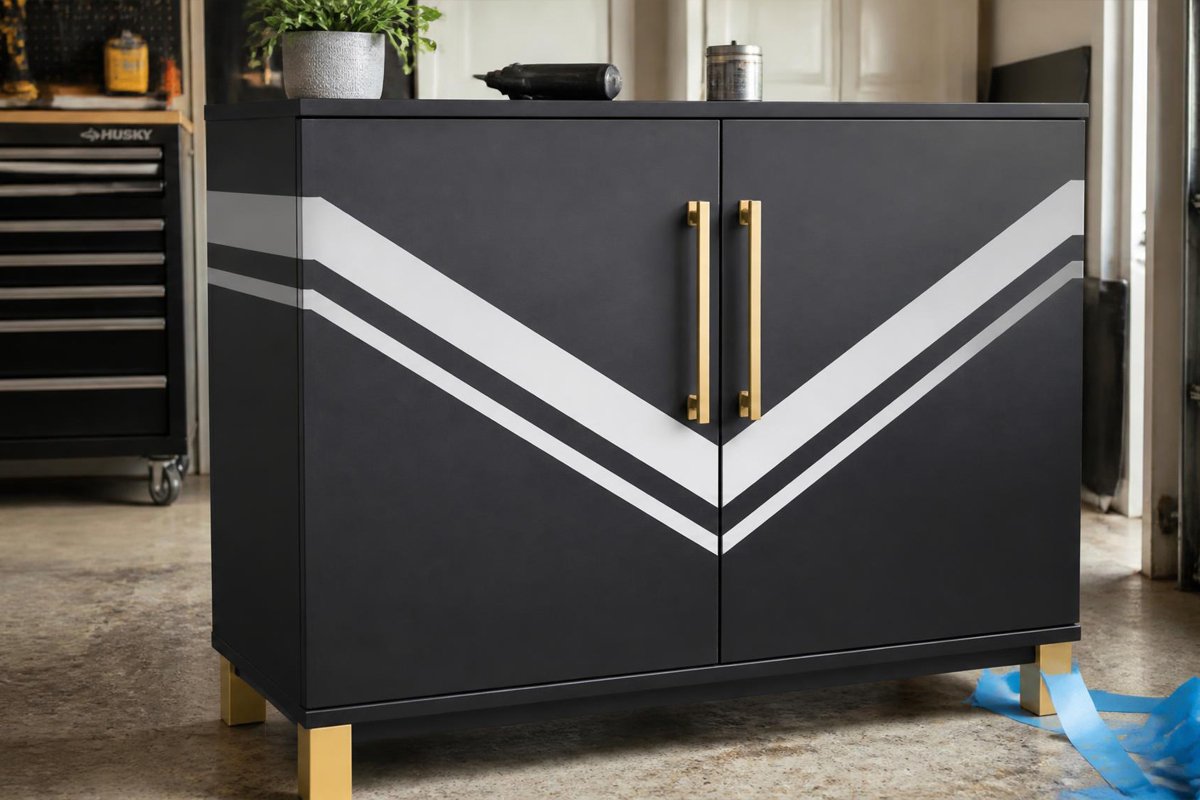
Use FrogTape Multi-Surface on hardware, edges, and any area you’re keeping paint off of — the crisp seal matters most at this scale. See our furniture streak-free painting guide for how masking fits into the broader process.
Automotive Panels & Touch-Ups
A combination of standard tape for trim and chrome, plus pre-taped masking film for glass and adjacent panels, is the standard approach — our how to spray paint a car at home guide covers full masking setup for a vehicle respray.
Plastic & Outdoor Furniture
Exterior projects need a tape rated for UV and moisture exposure, like ScotchBlue Original — check our plastic outdoor furniture spray paint guide for surface prep tips that go hand-in-hand with proper masking.
Common Mistakes
Using regular masking tape instead of painter’s tape. Standard masking tape isn’t designed for paint adhesion and removal — it bleeds more easily and can leave residue or pull off finish, contributing to the kind of bubbling covered in why your spray paint is bubbling.
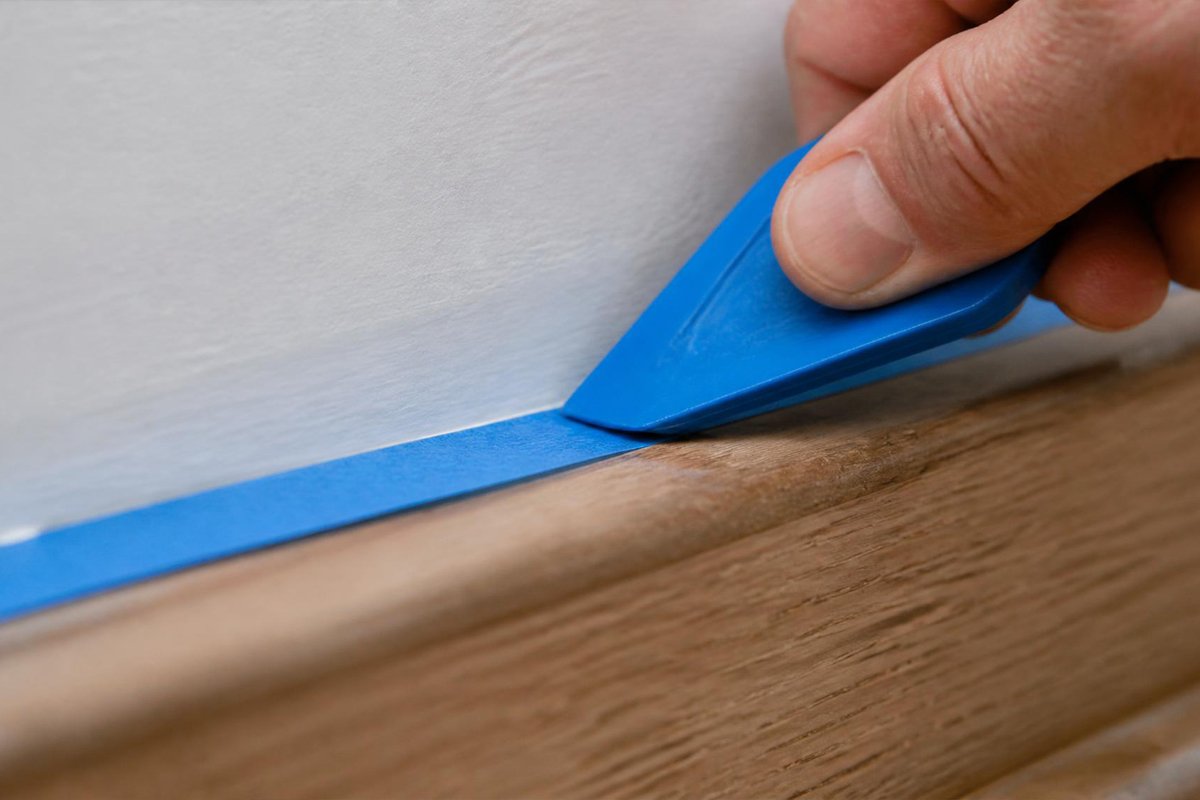
Not pressing the tape edge down firmly. A loosely applied tape edge is the number one cause of bleed-through — run a firm fingernail or plastic scraper along every edge before spraying.
Leaving tape on too long before removal. Tape left on well past a paint’s cure time can pull up paint at the edge on removal, or in some cases contribute to the drips and runs covered in how to fix spray paint drips and runs if it interferes with proper drying at the edges.
Expert Tips
Tape before you gear up, not after. Get all masking done, then put on your respirator and protective coverall right before you start spraying — this avoids wearing PPE longer than necessary while doing prep work.
Remove tape at the right angle and time. Pull tape back on itself at roughly a 45-degree angle, and do it once the paint is dry to the touch but before it’s fully cured, for the cleanest line.
Keep both a strong and delicate tape on hand. Having both FrogTape Multi-Surface and a delicate-surface option means you’re covered whether you’re masking bare wood or a surface painted last week.
Final Verdict
Best Overall: FrogTape Multi-Surface — the strongest bleed resistance for the widest range of spray painting projects. Best Budget/General Use: ScotchBlue Original Multi-Surface (2090) — reliable and widely available. Best for Large Areas: ScotchBlue Sharp Lines Pre-Taped Masking Film — covers panels and walls fast. Best for Delicate Surfaces: FrogTape or ScotchBlue Delicate Surface Tape — won’t damage fresh paint or finish on removal. For the full setup this pairs with, see our best spray paint techniques for a professional finish guide.
Frequently Asked Questions
Can I use regular masking tape instead of painter’s tape for spray painting? It’s not recommended — standard masking tape has weaker, less consistent adhesive that’s more prone to letting overspray bleed underneath, and it can leave residue or damage surfaces on removal.
How long can painter’s tape stay on before I need to remove it? Most quality painter’s tapes are rated for one to three weeks depending on the brand and UV/moisture exposure — check the specific product’s packaging, especially for exterior projects.
Why did paint bleed under my tape even though I pressed it down? This usually means the surface was slightly textured, dusty, or the tape wasn’t fully sealed at the edge — running a firm scraper along every edge before spraying solves most bleed issues.
Is FrogTape actually worth the extra cost over basic painter’s tape? For detail work where a crisp line matters — trim, furniture edges, hardware — yes, the PaintBlock edge noticeably reduces bleed compared to standard tape. For rough, low-stakes masking, a basic tape is often fine.
Can I remove tape immediately after spraying? It’s best to wait until the paint is dry to the touch but not yet fully cured — removing too early can smear wet paint, while waiting until fully cured risks pulling up the edge.
What’s the difference between masking tape and masking film? Tape is a thin adhesive strip meant for edges and lines; masking film is plastic sheeting (often pre-taped) meant to cover large flat areas quickly, like walls, counters, or vehicle panels.
Do I need different tape for indoor vs. outdoor projects? Yes — exterior projects benefit from a UV and moisture-resistant tape rated for multi-day outdoor exposure, while indoor projects can generally use any standard painter’s tape.
Will low-tack “delicate surface” tape hold up for a multi-day project? It can lift more easily than standard tape over longer periods, so it’s best reserved for surfaces that genuinely need the gentler adhesion rather than general-purpose masking.
Last Updated: July 2026