
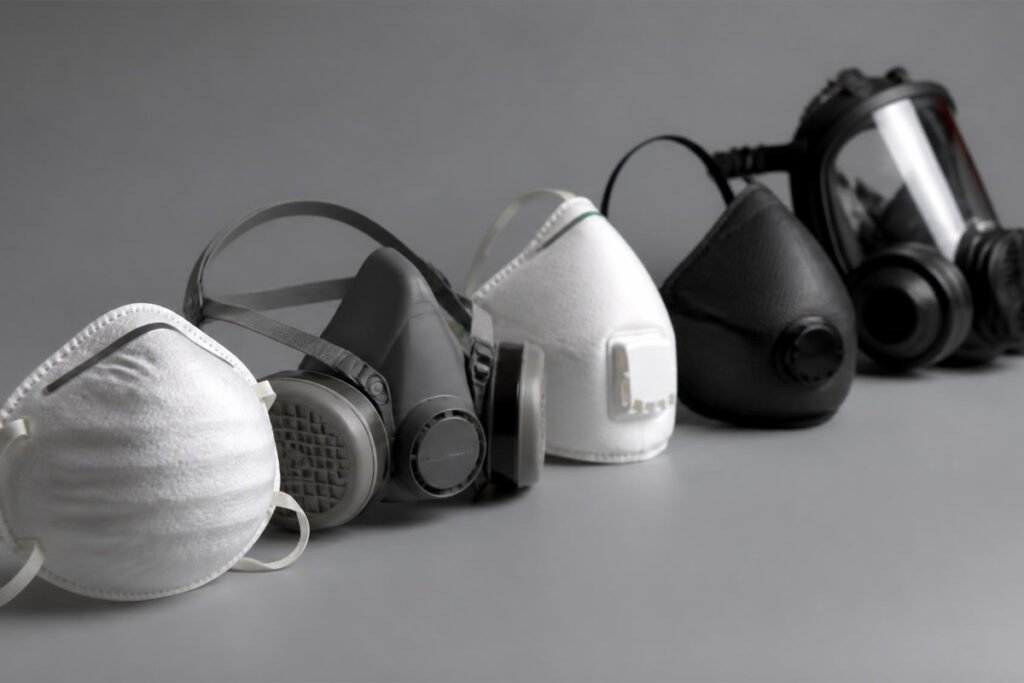
A basic dust mask from the hardware store might block sawdust, but it does almost nothing against spray paint. Aerosolized paint particles are far smaller than sawdust, and solvent-based paints add another problem entirely: volatile organic compound (VOC) vapors that pass straight through a paper mask’s fibers. Wearing the wrong protection doesn’t just mean discomfort — it means breathing in exactly the particles and fumes you’re trying to avoid, every single time you pull the trigger.
This guide breaks down the 5 best respirators and masks for spray painting, matched to the type of paint you’re using and the kind of project you’re tackling. If you haven’t settled on your spray setup yet, our HVLP spray gun buying guide and air compressor buying guide are good places to start before you get to the safety gear covered here.
Why a Regular Dust Mask Isn’t Enough
Spray paint produces two distinct hazards, and they require two different kinds of filtration. The first is particulate — tiny droplets of atomized paint suspended in the air, small enough to lodge deep in the lungs. The second is vapor — solvents like toluene, xylene, and mineral spirits that evaporate off the paint film and pass through the air as gas, not particles. A dust mask, even an N95, only addresses the first hazard. It has no chemical cartridge and does nothing to stop vapors. That’s why solvent-based spray painting — most enamels, most automotive paint, most oil-based products — calls for a respirator with an organic vapor (OV) cartridge, not just a filtering facepiece.
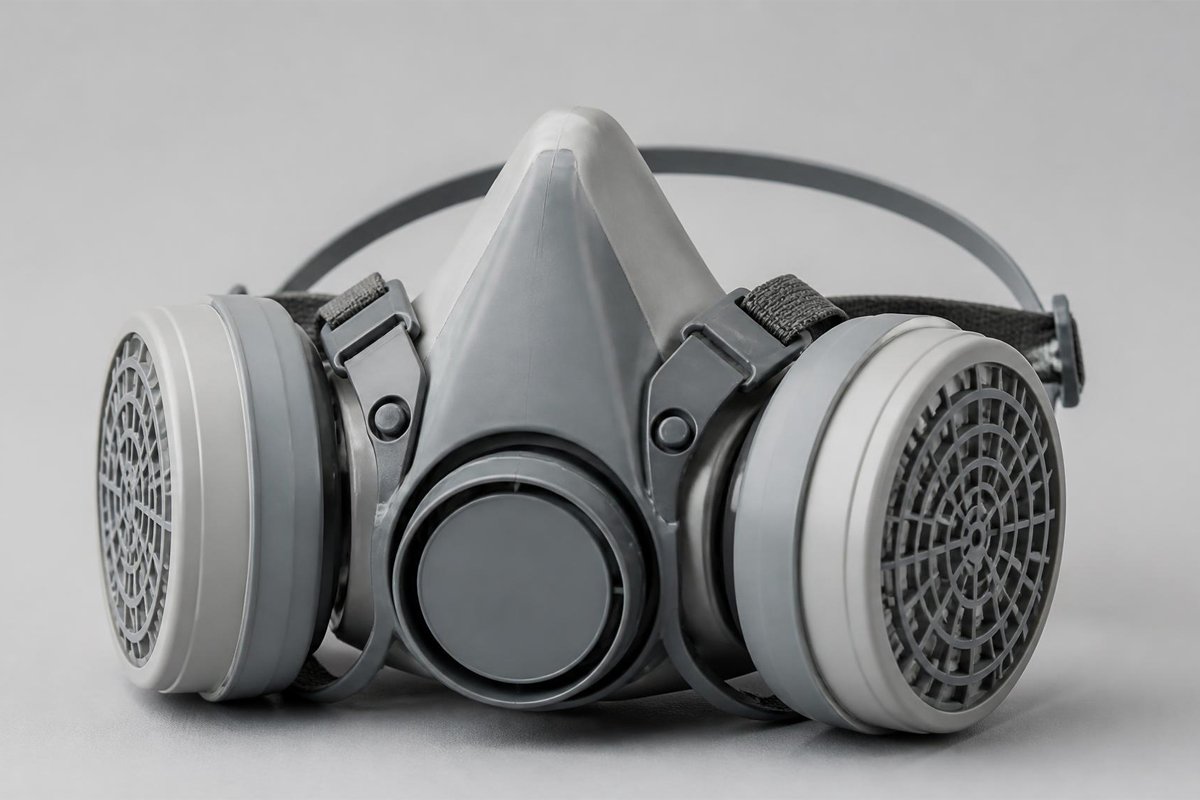
1. 3M 6200 Half Facepiece Respirator with Organic Vapor Cartridges
The 3M 6200 is the benchmark half-mask respirator for solvent-based spray painting, and for good reason. Paired with 3M 60923 organic vapor/P95 combination cartridges, it protects against both solvent vapors and paint particulates in a single unit — exactly the dual protection spray painting actually requires. The silicone facepiece seals well across a range of face shapes, and the cartridges are widely available at any hardware store, so replacement is never a problem mid-project.
The bayonet cartridge mount makes swapping filters fast, and the low profile keeps the mask from fogging safety glasses as badly as bulkier full-face units. The most common complaint is cartridge cost adding up over frequent use, and the half-mask design leaves eyes unprotected, so safety glasses or goggles are still required separately.
Best for: Solvent-based paints, automotive refinishing, and anyone who wants the industry-standard reference point for spray painting respirators.
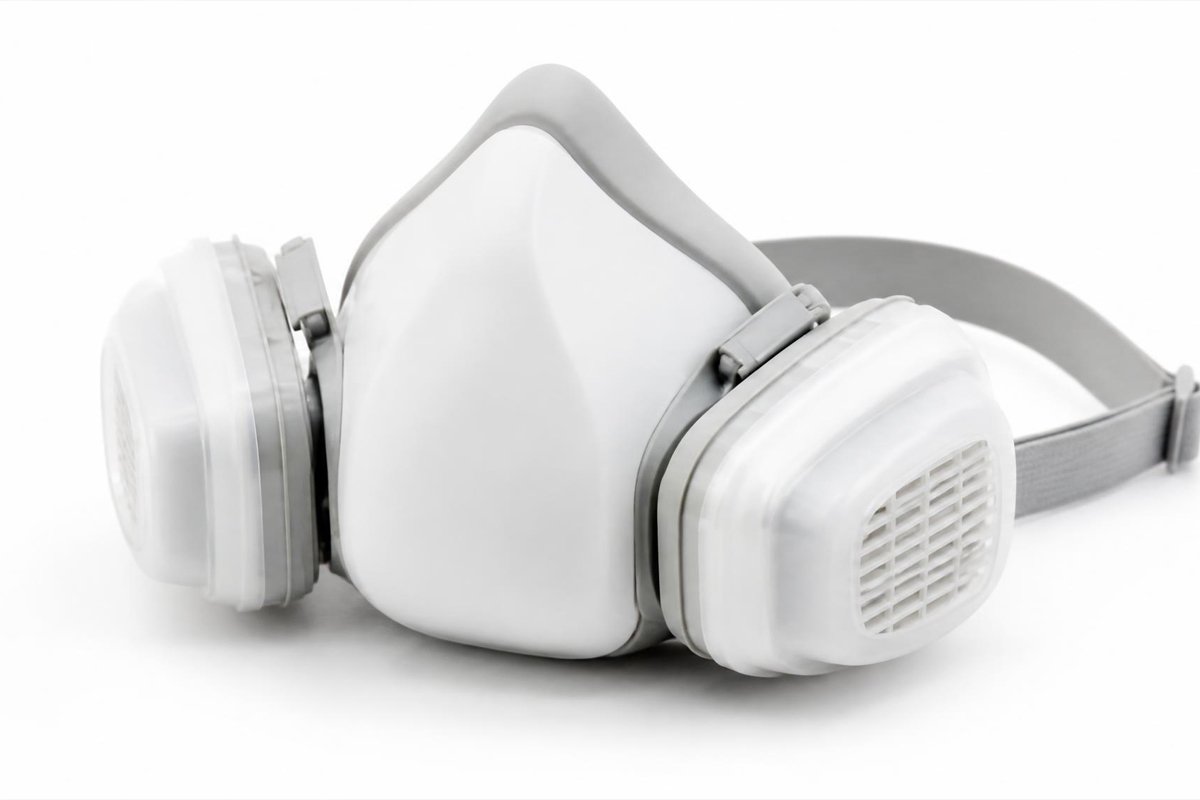
2. GVS Elipse P100 Respirator
The GVS Elipse takes a different approach: instead of separate cartridges bolted onto a facepiece, the entire filter is integrated into two low-profile side pods. The result is a noticeably lighter, more compact mask that a lot of users find more comfortable for long sessions. The integrated P100 filters block essentially all particulates, making this a strong choice for heavy particulate work like sanding between coats or spraying primer-heavy projects.
The trade-off is that the standard Elipse configuration is filter-only — it doesn’t include an organic vapor cartridge the way the 3M 6200 does. GVS does sell organic vapor versions, but the base model is best matched to water-based paints and particulate-heavy work rather than heavy solvent exposure.
Best for: Lightweight comfort during long sessions, and water-based or low-VOC paint projects where particulate is the primary concern.
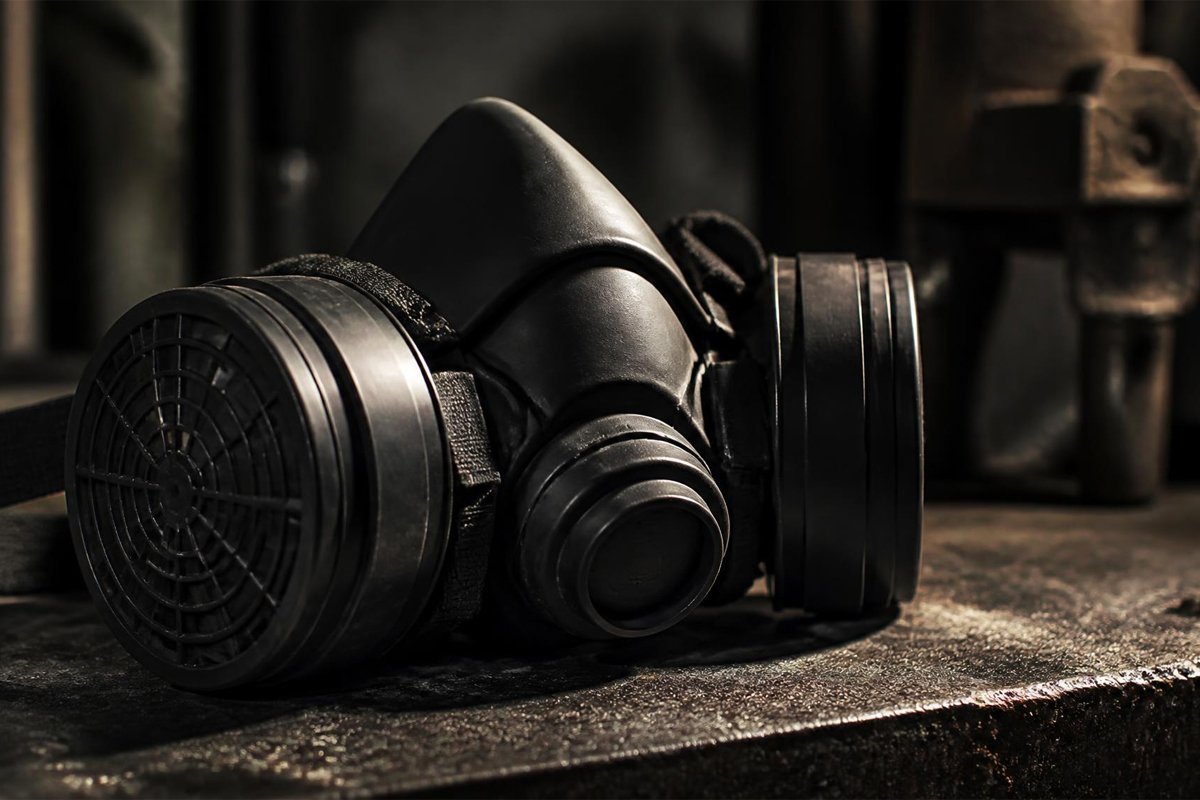
3. Honeywell North 5500 Series Half Mask Respirator
The North 5500 is a rubber-facepiece half mask built for durability rather than lightweight comfort. The thicker silicone-and-rubber construction holds up well to repeated use and cleaning, which matters if you’re spraying multiple projects a month rather than once a season. Like the 3M 6200, it accepts organic vapor cartridges, giving it the same dual particulate-and-vapor protection needed for solvent-based paints.
Reviewers consistently mention the adjustable strap system as more secure than competitors, staying put during overhead spraying or awkward angles. It runs slightly heavier than the 3M or GVS options, which some users notice on multi-hour sessions.
Best for: Frequent users who prioritize a durable, reusable facepiece over minimum weight.
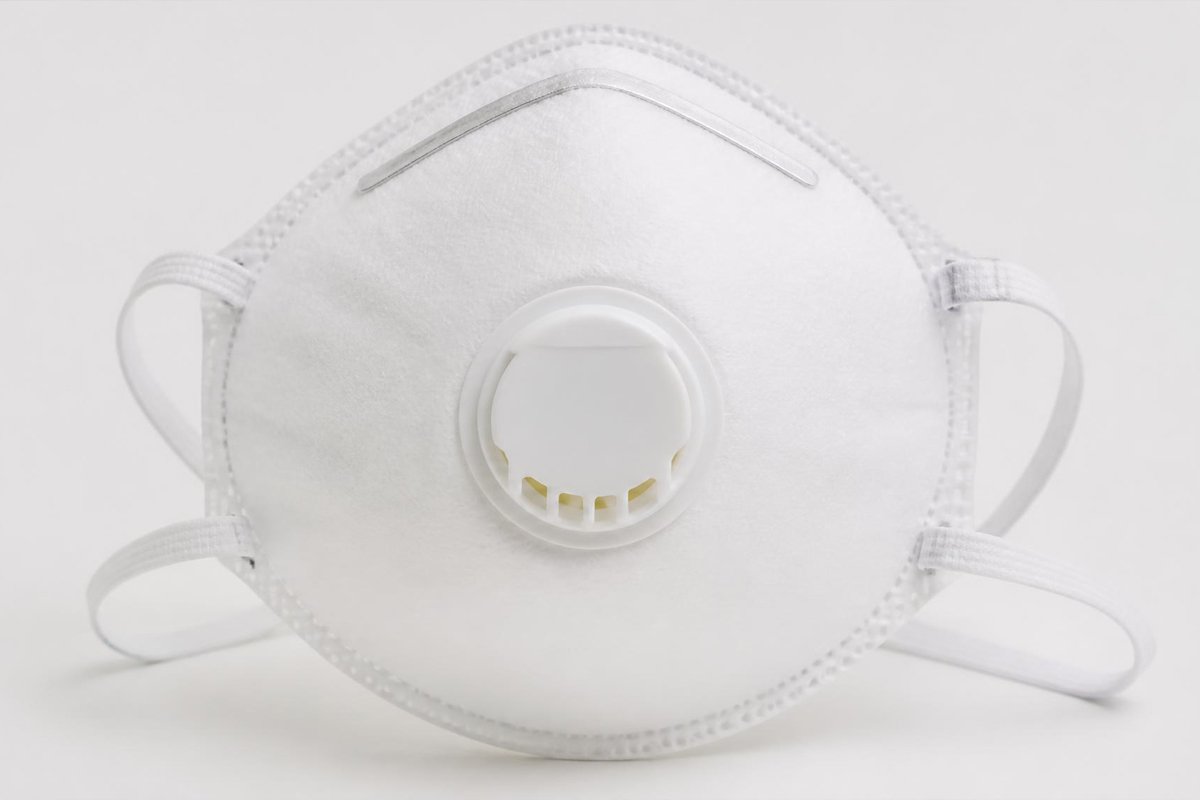
4. Moldex 2200 N95 Particulate Respirator
Not every spray project involves solvents. Water-based latex and acrylic paints release far fewer harmful vapors, and for that category, a properly rated disposable respirator can be sufficient — provided it’s actually rated for the job. The Moldex 2200 is an N95 with an exhalation valve, which reduces heat and moisture buildup inside the mask compared to a standard N95 without a valve, a real comfort difference during a long spraying session in warm weather.
It’s important to be clear about the limits here: an N95, valved or not, has no cartridge and provides no protection against solvent vapors. It should only be considered for water-based, low-VOC spray projects, not enamel, lacquer, or automotive-grade paints.
Best for: Water-based and low-VOC spray paint projects where vapor exposure is minimal.
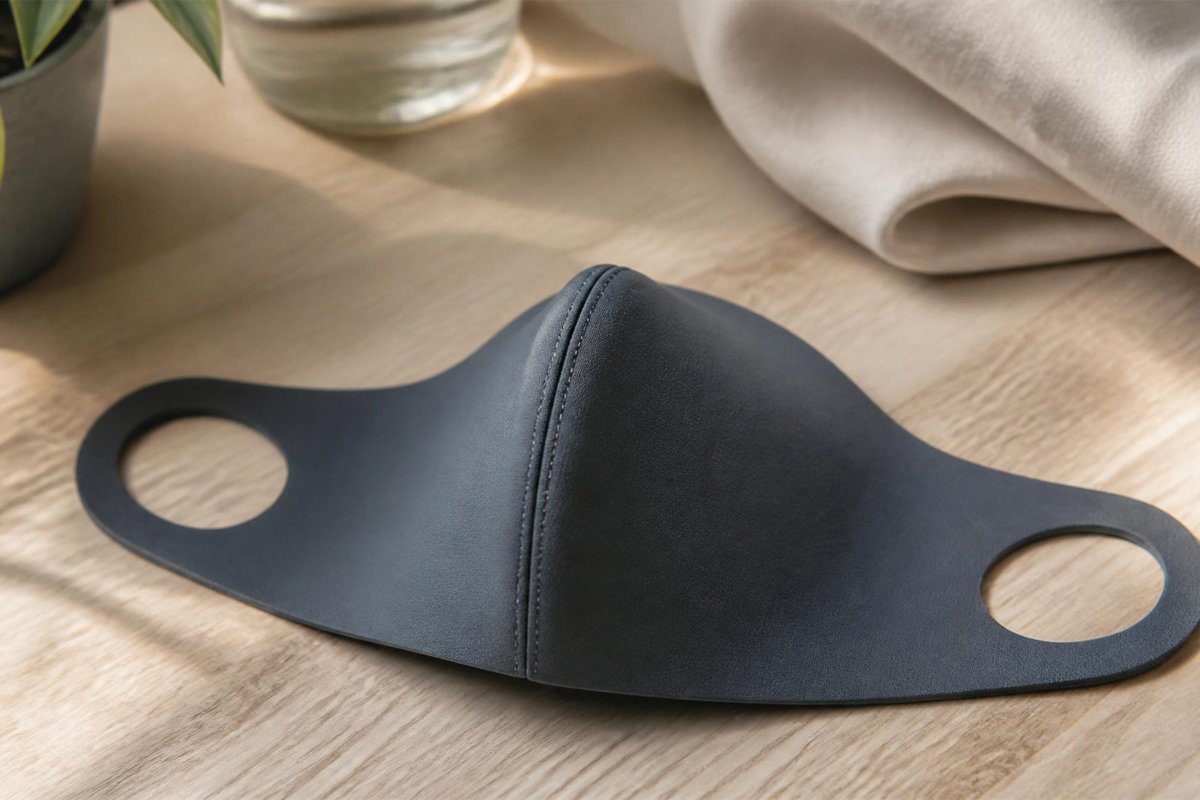
5. RZ Mask M2.5 Reusable Respirator
The RZ Mask M2.5 takes a hybrid approach aimed at DIYers who want more protection than a disposable mask but don’t want the bulk of a full cartridge respirator. It uses a multi-layer replaceable filter that includes an activated carbon layer, which provides some odor and light vapor reduction — though it’s not equivalent to a dedicated organic vapor cartridge in terms of certified protection level.
Where it stands out is fit and wearability: the neoprene construction is flexible, machine washable, and comes in multiple sizes, which makes it a popular option for people who found rigid respirators uncomfortable. For serious solvent-based work, it’s best used as a supplementary layer rather than a replacement for an OSHA-rated cartridge respirator.
Best for: Light-duty projects and users prioritizing comfort and fit over maximum certified protection.
Comparison at a Glance
| Respirator | Protection Type | Best Paint Type | Best For |
| 3M 6200 | Particulate + OV cartridge | Solvent-based | Industry standard |
| GVS Elipse P100 | Particulate (P100) | Water-based | Lightweight comfort |
| Honeywell North 5500 | Particulate + OV cartridge | Solvent-based | Durability |
| Moldex 2200 N95 | Particulate only | Water-based / low-VOC | Occasional light use |
| RZ Mask M2.5 | Particulate + light vapor | Light-duty | Comfort and fit |
How to Choose the Right Respirator for Your Project
Match the cartridge to the paint, not the mask to your budget. If you’re spraying anything solvent-based — enamel, lacquer, automotive paint, oil-based primer — an organic vapor cartridge isn’t optional. Particulate filtration alone leaves the vapor hazard completely unaddressed.
Check the fit before you buy filters. A respirator that doesn’t seal against your specific face shape lets contaminated air leak in around the edges no matter how good the cartridge is. Facial hair is a common culprit — a full seal is very difficult to achieve with more than light stubble.
Don’t confuse N95 with solvent protection. N95, N99, and P100 ratings describe particulate filtration efficiency only. None of them, by themselves, block organic vapors. A P100 filter with no cartridge is not a substitute for an organic vapor respirator when solvents are involved.
Replace cartridges on a schedule, not just when you smell paint. Organic vapor cartridges lose capacity gradually and don’t always give a clear warning before breakthrough. Most manufacturers recommend replacing cartridges after a set number of use-hours or when opened for more than a few months, even if you haven’t noticed odor.
Respirator selection is only one part of a safe spray setup. Pair it with proper enclosed space ventilation, and if you’re spraying indoors, review our full spray painting safety guide for glove, goggle, and coverall recommendations that round out the full protective setup.
Frequently Asked Questions
Do I need a respirator for spray painting outdoors? Outdoor ventilation reduces vapor concentration but doesn’t eliminate exposure, especially with solvent-based paints sprayed at close range. A respirator is still recommended even outdoors for anything beyond a light aerosol touch-up.
Can I use the same cartridges for painting and staining? Organic vapor cartridges are broadly effective against most solvent vapors from paints, stains, and varnishes, but always check the cartridge’s rated list of compounds against your specific product’s safety data sheet.
How do I know when to replace a cartridge? Follow the manufacturer’s end-of-service-life guidance, typically a set number of hours of active use or a fixed number of months after first opening the package, whichever comes first.
Final Thoughts
The right respirator depends entirely on what you’re spraying, not on which mask looks the most rugged on the shelf. Solvent-based paint means an organic vapor cartridge is non-negotiable, while occasional water-based projects can get by with a properly rated particulate mask. Get that match right, and the rest of your protective setup — gloves, goggles, ventilation — falls into place around it.
Last Updated: August 2026