
A stone chip on the hood or a scratch from a shopping cart doesn’t just look bad — left untreated, it exposes bare metal to moisture and oxygen, and rust can start forming within weeks in humid climates. The good news is that most chips and scratches are a genuinely fixable weekend project with the right touch-up paint and a bit of patience, long before the damage would ever justify a trip to a body shop.
This guide covers how to assess the type of damage you’re dealing with, match your car’s exact paint color, and apply and blend touch-up paint so the repair disappears into the surrounding finish rather than standing out as an obvious patch. If you’re tackling a larger project like a full panel or wheel respray instead, see our guides on how many cans of spray paint to paint a car and spray painting car rims and wheels.
Quick Answer
Small stone chips that show bare metal need a rust-preventing primer dab followed by color-matched touch-up paint and a clear coat seal, applied with a fine brush or touch-up pen for precision. Deeper or longer scratches that cut through the clear coat and color layer benefit from a light sand, primer, color-matched spray paint in thin coats, and a blending solvent to soften the edge where new paint meets the old finish. Surface-only scratches that haven’t broken through the clear coat often need nothing more than a rubbing compound and polish, no paint required.
Table of Contents
- Why Chips and Scratches Need Quick Attention
- How to Assess Your Damage Before Choosing a Fix
- Damage Comparison Table
- How to Match Your Car’s Exact Paint Color
- How to Touch Up a Small Stone Chip
- How to Fix a Deeper Scratch with Spray Paint
- How to Blend the Repair Into the Surrounding Paint
- How Much Does It Cost and How Long Does It Take?
- DIY Touch-Up vs Professional Repair
- Common Mistakes
- Expert Tips
- Final Thoughts
- Frequently Asked Questions
Why Chips and Scratches Need Quick Attention
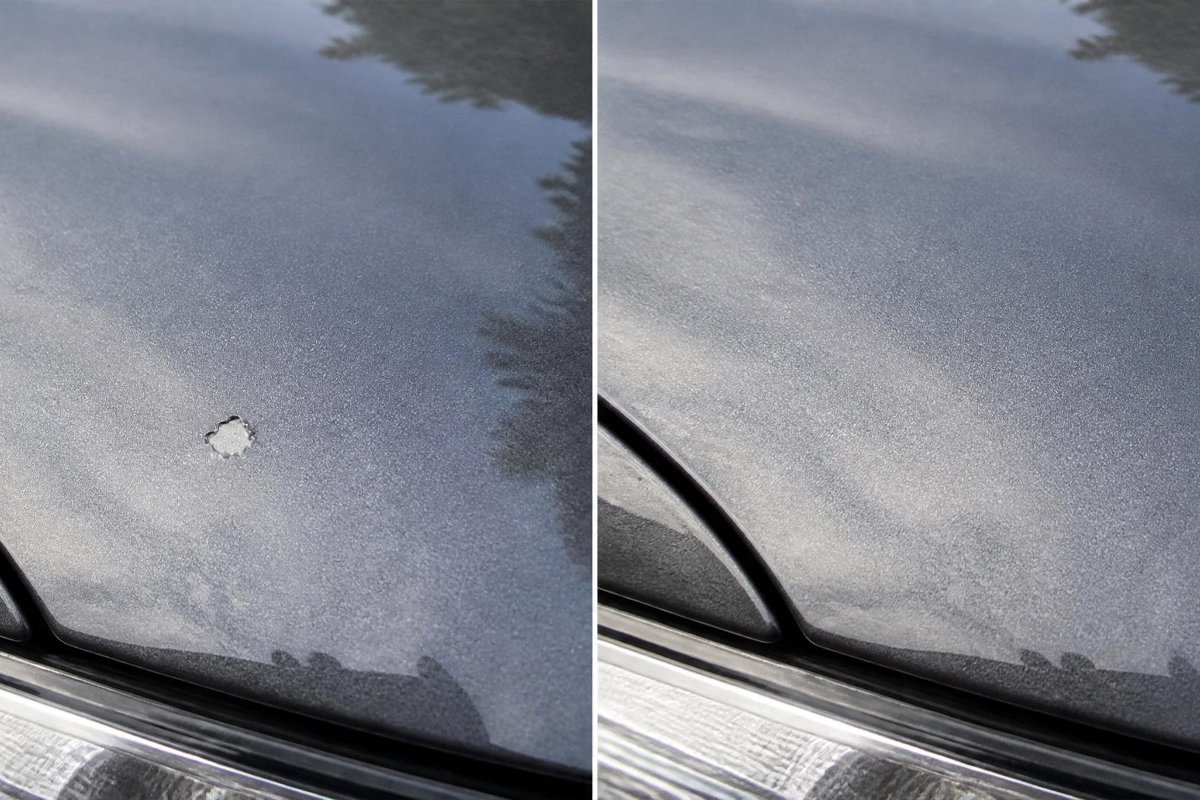
A chip that exposes bare metal removes the factory clear coat and color layer that normally protect steel from moisture and oxygen. Once that barrier is gone, rust can begin forming in as little as a few weeks in humid or coastal climates, and once rust starts under the paint around a chip, it spreads outward and undermines the surrounding finish too — turning a five-minute touch-up job into a much bigger repair. This is the same underlying principle covered in our metal spray painting guide, just applied to the thinner, more precisely engineered paint system on a car body.
Scratches that only cut through the clear coat, without reaching bare metal, are less urgent from a rust standpoint but still worth addressing for appearance and resale value, since UV exposure can slowly discolor exposed color coat that’s lost its protective clear layer.
How to Assess Your Damage Before Choosing a Fix
Before buying any products, look closely at the damage and answer:
- Can you see bare gray or silver metal at the bottom of the chip or scratch? If so, this needs primer and color, not just polish.
- Run a fingernail gently across the scratch — does it catch on a groove, or does the surface feel smooth? A catching scratch has gone through more paint layers than a scratch you can barely feel.
- How large is the affected area? A single small chip is a simple touch-up; multiple chips across a wide area may be more efficient to treat as one small panel repair rather than dozens of individual dots.
Damage Comparison Table
| Damage Type | Best Fix | Difficulty | Tools Needed |
| Small stone chip (bare metal visible) | Touch-up pen or fine brush + spray topcoat | Easy | Touch-up paint, clear coat |
| Deep scratch (through clear coat and color) | Spray primer + color-match spray + clear coat | Medium | Sandpaper, primer, color-match spray, clear coat |
| Surface scratch (clear coat only) | Polish or scratch-repair compound | Easy | Rubbing compound, microfiber cloth |
| Large chipped area / multiple chips | Full panel blend with spray can | Medium-Hard | Sandpaper, primer, spray paint, clear coat, blending solvent |
How to Match Your Car’s Exact Paint Color
Every car has a paint code, usually found on a sticker inside the driver’s door jamb, under the hood, or in the glove box, that identifies the exact factory color formula. Look up touch-up paint or spray paint by this code rather than by the color’s common name (“red” or “silver”), since manufacturers often use several close variations of a similar shade across different model years. Getting this code right is the single most important factor in a touch-up blending invisibly — see our types of spray paint guide for more on how paint chemistry and color matching interact.
If the paint code sticker is missing or illegible, many auto parts stores and touch-up paint retailers can match color from a small paint chip sample or a photo, though an exact factory-code match is always more reliable than a visual match alone.
How to Touch Up a Small Stone Chip
Step 1: Clean the Area
Wash and dry the damaged area thoroughly, then wipe with isopropyl alcohol to remove any wax, road grime, or oils that would prevent the touch-up paint from bonding properly.
Step 2: Treat Any Exposed Bare Metal
If the chip has already started to show light surface rust, treat it first with a small dab of rust converter before painting — skipping this step means sealing active rust under the new paint, where it will keep spreading invisibly. Our rust converter guide covers product selection and application for small spot repairs like this.
Step 3: Apply Primer, Then Color
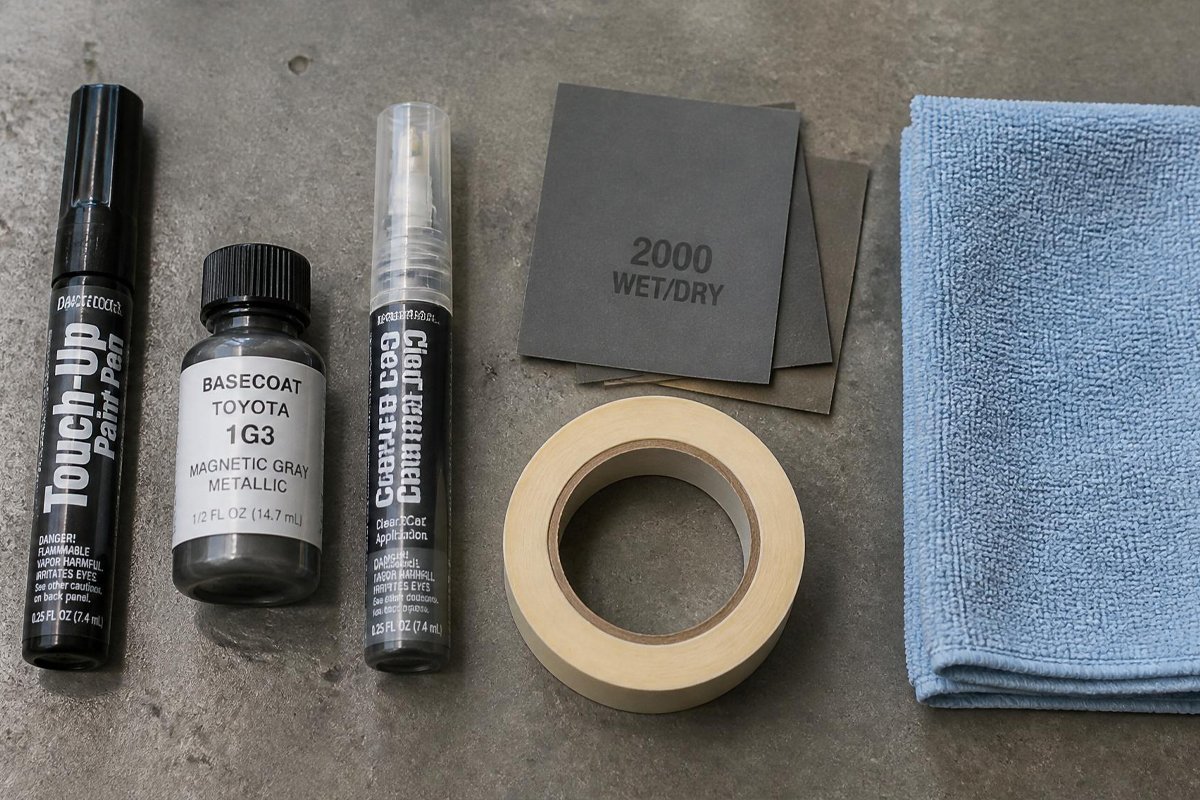
Using a fine touch-up brush or the pen applicator that comes with many touch-up paint products, apply a small dot of primer to bare metal spots, let it dry per the label, then apply the color-matched paint in thin layers, slightly overfilling the chip so it can be leveled later.
Step 4: Seal with Clear Coat
Once the color has cured, cap the repair with a small dot of clear coat to match the factory finish’s gloss level and provide UV protection. Let the full repair cure for several days before washing the car or waxing over the spot.
How to Fix a Deeper Scratch with Spray Paint
Step 1: Sand the Scratch Lightly
For scratches through multiple paint layers, wet-sand the immediate area with 2000-grit sandpaper to create a smooth, feathered transition rather than a hard ridge at the scratch’s edge.
Step 2: Mask Surrounding Panels
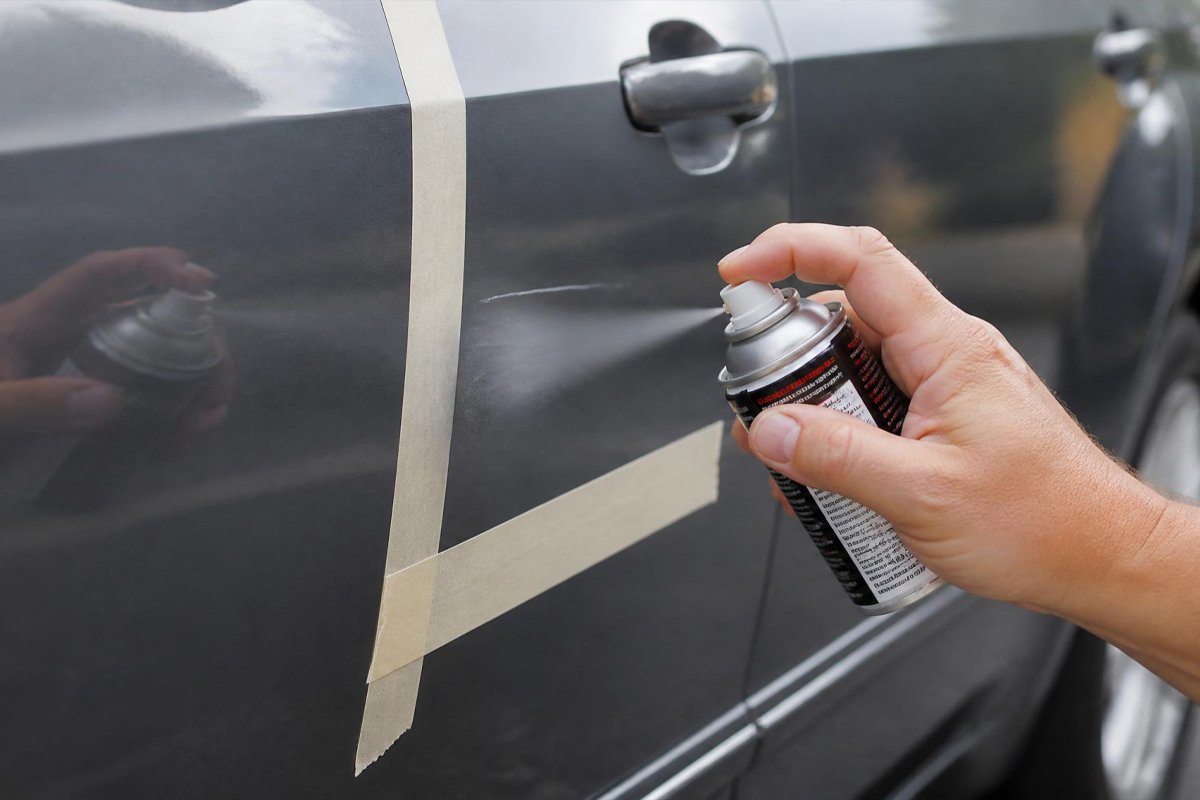
Mask off the surrounding area generously with painter’s tape and paper, since even a small touch-up spray can produces overspray that drifts further than expected on a breezy day.
Step 3: Prime, Then Spray Color in Thin Coats
Apply primer to any bare metal, then spray the color-matched paint in several thin coats rather than one heavy pass, following the same overlap and distance principles from our beginner spray painting guide. Building color gradually reduces the risk of the repair standing out as a slightly different shade or texture from the surrounding factory paint.
Step 4: Apply Clear Coat and Cure
Once the color coat has cured, apply clear coat over the repair, extending slightly beyond the color repair area to avoid a visible edge line, then allow several days of full cure before polishing or waxing.
How to Blend the Repair Into the Surrounding Paint
A blending solvent, applied at the outer edge of a spray repair, softens the boundary between old and new clear coat so it melts together rather than leaving a visible ring — this is the technique that separates an invisible repair from an obvious patch. Working the edge with a foam applicator in light, circular motions, then following with a machine or hand polish once fully cured, further blends the repair’s sheen into the surrounding factory clear coat. This same edge-blending discipline is closely related to the overlap and pass consistency covered in our smooth finish guide, just scaled down to a much smaller repair area.
How Much Does It Cost and How Long Does It Take?
A single small chip repair typically costs under $20 in materials — a touch-up pen or small bottle of color-matched paint, a dab of clear coat, and basic prep supplies most people already have at home. Active work time is often just 15-20 minutes, though full cure time before washing or waxing stretches the total project to several days to a week. A larger scratch repair involving sanding, masking, spray paint, and blending typically costs $30-60 in materials and takes 1-2 hours of active work, plus several days of cure time before the repair is fully hardened and ready for normal exposure to weather and washing.
DIY Touch-Up vs Professional Repair
A DIY touch-up is the right call for small stone chips, isolated scratches, and situations where the goal is stopping rust and restoring reasonable appearance rather than achieving a completely invisible factory-perfect finish. A body shop repair becomes worth the added cost when damage spans a large area, involves dents or bodywork beyond the paint itself, or when the vehicle’s resale value justifies a professional-grade color match and blend that’s difficult to achieve with touch-up products alone. For the vast majority of everyday stone chips and shopping-cart scratches, though, a careful DIY repair using the steps in this guide holds up well and stops rust just as effectively as a professional repair would.
Common Mistakes
- Skipping rust treatment on bare metal: Painting directly over active surface rust seals it in rather than stopping it, and the rust continues to spread invisibly under the new paint.
- Matching color by eye instead of by paint code: Two paints that look identical on the store shelf can read as noticeably different once applied and cured under real sunlight.
- Applying touch-up paint too thick: A heavy dab of touch-up paint often stands proud of the surrounding surface and catches light differently, making the repair more visible rather than less.
- Forgetting the clear coat step: Skipping the final clear layer leaves the color coat exposed to UV fading and reduces the repair’s long-term durability and gloss match.
- Washing or waxing too soon after repair: Introducing water, soap, or wax before the touch-up has fully cured can soften the fresh paint or create an uneven finish.
- Ignoring small chips until they multiply: A single stone chip is a five-minute fix, but letting several accumulate over a season turns a simple touch-up into a more involved multi-spot repair.
- Not testing the color match on a hidden spot first: Applying touch-up paint directly to the visible damage without confirming the match on an inconspicuous area first risks making a bad color match permanent and obvious.
Expert Tips
- Keep a small bottle of your car’s exact touch-up paint color in your garage so new chips can be addressed within days rather than accumulating over a season.
- If you’re dealing with numerous small chips across a hood or bumper rather than one isolated scratch, it’s often more efficient and better-looking to treat the whole panel with a light color-matched spray repair rather than dozens of individual touch-up dots — see our guide on how many cans of spray paint to paint a car for estimating materials on a larger panel repair.
- Work in indirect light or an overcast day when matching and applying touch-up paint — direct, harsh sunlight makes it hard to judge subtle color and gloss differences accurately.
- Photograph your paint code sticker location and the code itself once, so it’s easy to reorder the exact matching paint years later without hunting for a faded or hard-to-find sticker.
Final Thoughts
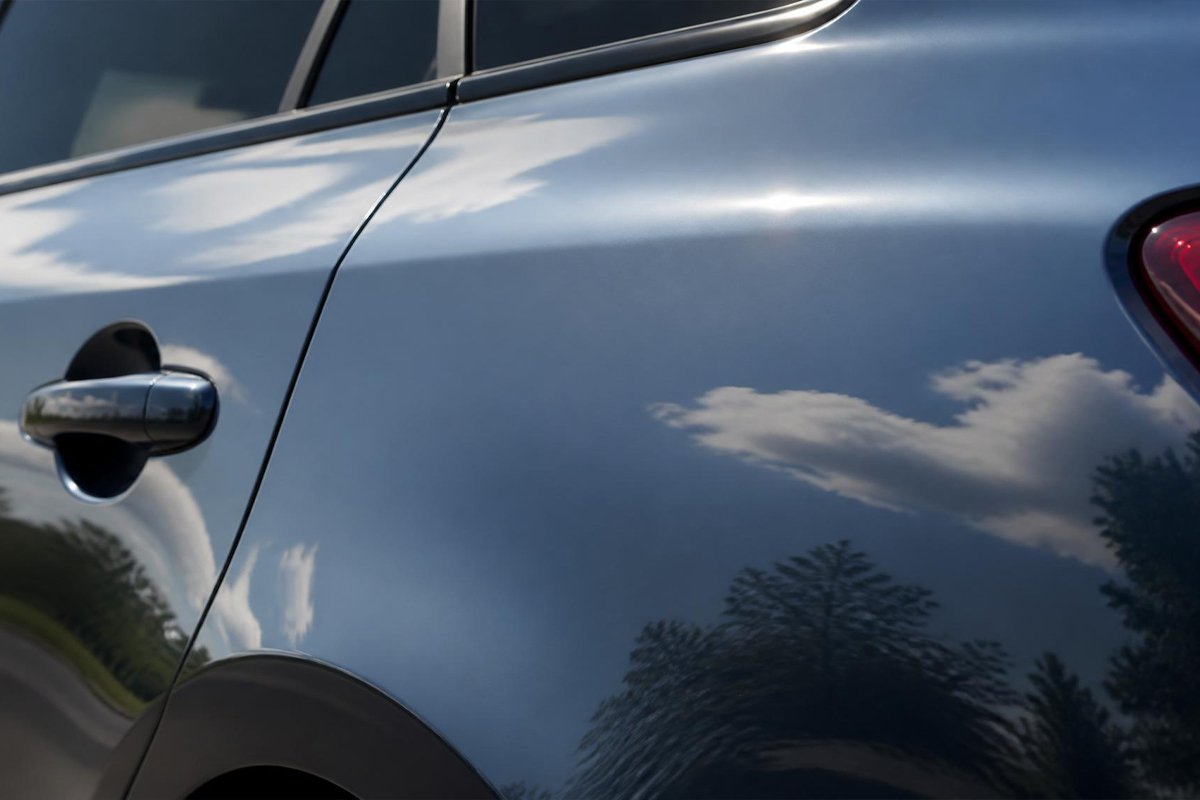
Chips and scratches are one of the most cost-effective repairs available to a car owner willing to invest a bit of patience, since catching damage early prevents both rust and the higher cost of a full body shop repair down the line. Best approach for a small stone chip: primer, color-matched touch-up paint, and clear coat, applied with a fine brush or pen. Best approach for a deeper scratch: light sanding, masking, thin spray coats, and a blending solvent at the repair’s edge for a seamless transition.
For related automotive spray painting projects, see our guides on spray painting car rims and wheels and how many cans of spray paint to paint a car.
Frequently Asked Questions
How urgent is it to fix a small stone chip?
Address chips that expose bare metal within a few weeks if possible, especially in humid or coastal climates, since rust can begin forming quickly once the protective paint layers are broken.
Where do I find my car’s exact paint code?
Most manufacturers place a sticker with the paint code inside the driver’s door jamb, under the hood near the radiator support, or inside the glove box. Check your owner’s manual if you can’t locate it.
Do I need clear coat for a small touch-up, or just color?
Clear coat is worth applying even on small touch-ups, since it protects the color from UV fading and better matches the gloss level of the surrounding factory finish.
Can I use a spray can for a tiny stone chip, or do I need a touch-up pen?
A touch-up pen or fine brush gives more precision on a single small chip, while a spray can is better suited to a scratch spanning a larger area or multiple chips clustered together, where masking and spraying is more efficient than dabbing dozens of individual spots.
How do I know if a scratch needs paint or just polishing?
Run a fingernail gently across the scratch — if it catches or shows any color other than your car’s paint (gray primer or bare metal), it needs paint. If it’s smooth to the touch and only the clear coat looks dulled, a rubbing compound and polish alone can often restore it.
Will a touch-up repair be completely invisible?
A careful repair with correctly matched paint and proper blending technique can be very difficult to spot at normal viewing distance, though extremely close inspection under certain lighting may still reveal a subtle texture or gloss difference compared to a full factory repaint.
How long should I wait before washing my car after a touch-up?
Wait at least several days, and ideally a full week, before washing or waxing the repaired area, giving the touch-up paint and clear coat time to fully cure and harden.
Can I touch up paint on a leased vehicle?
Yes, and it’s often worth doing before returning a leased vehicle, since most leasing companies charge for chips and scratches beyond normal wear at the end of the lease. A careful touch-up can help minor damage pass inspection that would otherwise incur a fee.
Does the type of car paint (metallic, pearl, solid) affect the repair process?
Yes — metallic and pearl finishes are harder to match and blend seamlessly than a solid color, since they contain reflective particles that need to be oriented consistently with the surrounding paint. These finishes benefit even more from careful color-code matching and a proper blending solvent at the repair’s edge.
Author: Rodney Shiner
Last Updated: July 2026