
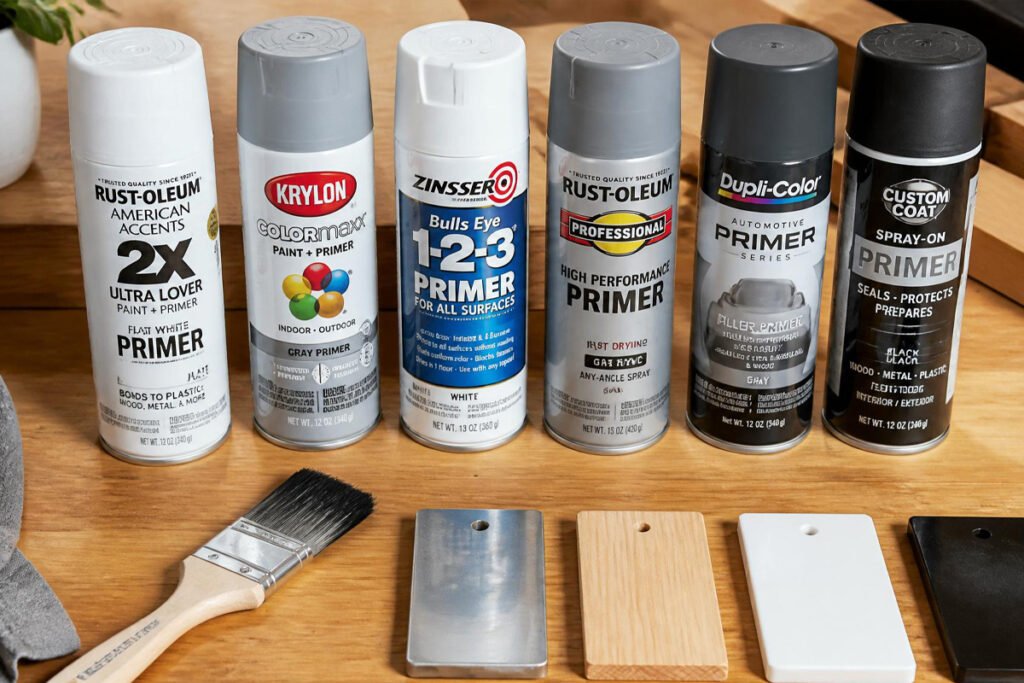
Choosing the wrong spray paint primer is one of the fastest ways to ruin an otherwise good paint job. Skip it, or pick one that doesn’t match your surface, and you’ll likely see peeling within weeks, uneven color, visible brush-mark texture from an aerosol, or paint that never fully bonds and simply flakes off with a fingernail.
The mistake most DIYers make isn’t laziness — it’s assuming “primer is primer.” In reality, a primer built for bare wood behaves completely differently from one built for glossy plastic or bare metal. Wood needs something that seals grain and blocks tannins. Plastic needs a bonding agent that grips a naturally slick, non-porous surface. Metal needs rust inhibitors or the topcoat will bubble and lift within a season. Use the wrong type, or skip primer altogether on a surface that needs it, and even premium spray paint will fail early.
This guide walks through the best spray primers available right now, how to match a primer to your surface, step-by-step application, and the mistakes that cause most primer failures. If you’re painting a specific material, it also helps to check our guides on how to spray paint plastic and how to spray paint aluminum for surface-specific prep steps.
Quick Answer
The best spray paint primer depends on your surface. Bare metal needs a rust-resistant or rust-converting primer (like a Rust-Oleum clean metal or automotive sandable primer). Plastic needs a bonding primer formulated for slick, non-porous surfaces (like a Krylon or Rust-Oleum fusion-style primer). Wood — especially bare or stained wood — usually needs a stain-blocking primer (like a shellac-based Zinsser formula) to stop tannins and knots from bleeding through. For mixed-material projects, a multi-surface primer rated for wood, metal, and plastic saves time but is a compromise, not a specialist. Matching primer to surface is the single biggest factor in adhesion, durability, and finish quality.
Table of Contents
- What Is the Best Spray Paint Primer?
- Why Do You Need It?
- How to Choose the Right Primer
- Best Spray Paint Primers Available
- Comparison Table
- Best Primer for Different Surfaces
- How to Apply Spray Primer Correctly
- Common Mistakes
- Expert Tips
- FAQs
- Final Verdict
What Is the Best Spray Paint Primer, and What Does It Actually Do?
Spray paint primer is an aerosol undercoat applied before your topcoat that creates a stable, uniform surface for paint to grip. It’s not decorative — its entire job is chemistry and mechanics: helping paint molecules bond to a surface that, on its own, would resist them.
Primer does three things a topcoat can’t do well on its own:
- Improves adhesion. Many surfaces — glass, glazed plastic, polished metal — are too smooth for paint to mechanically or chemically bond to. Primer contains resins engineered to grip both the substrate and the topcoat.
- Seals and blocks. Porous materials like raw wood absorb paint unevenly and can let tannins, sap, or old stains bleed through. Primer seals the surface so color goes on true.
- Protects the substrate. On metal, primer is often the only thing standing between your topcoat and rust. Many metal primers contain corrosion inhibitors or converters.
Under the hood, primers are differentiated mainly by their resin base — oil-based (alkyd), water-based (acrylic/latex), or shellac-based — and by additives like zinc or rust inhibitors for metal, or bonding agents for plastic. Picking the right resin type for your surface and topcoat matters more than brand.
For background on paint types generally, see our guide on choosing the right spray paint.
How to Choose the Right Primer
Picking the best spray paint primer for your project comes down to three questions, in this order:
1. What’s the substrate? Bare metal, plastic, and raw wood each behave differently under paint. This is the single biggest factor — get this wrong and no amount of technique fixes it.
2. What’s the exposure? Indoor decor can use a lighter-duty primer. Anything outdoors — furniture, railings, rims — needs rust resistance or UV-stable formulas.
3. What’s your topcoat? Oil-based topcoats generally pair best with oil-based or shellac primers, while water-based (latex) topcoats pair well with acrylic primers. Mismatching resin types is a common cause of wrinkling.
The U.S. EPA’s guidance on VOCs in paints and coatings is also worth a glance if you’re working indoors often — oil-based primers generally carry higher VOC content than water-based ones, which matters for ventilation planning.
Best Spray Paint Primers Available
1. Rust-Oleum Painter’s Touch 2X Ultra Cover Primer
Overview: A flat white, oil-based multi-surface primer built for DIYers who want one can that handles wood, metal, masonry, and most plastics without a separate bonding coat. It’s one of the most widely used all-purpose primers on the market, largely because of its balance of price, coverage, and dry time.
Key Features:
- Dries to the touch in about 20 minutes
- Bonds to wood, metal, masonry, and most plastics
- Chip-resistant, sandable finish
- Comfort spray tip works at any angle
Best For: Furniture, small metal fixtures, mixed-material craft projects, first-time primer users
Pros:
- ✅ Genuinely versatile across common household surfaces
- ✅ Fast dry time keeps projects moving in a single afternoon
- ✅ Widely available and inexpensive
Cons:
- ❌ Not a true rust converter — bare rusted metal needs extra prep first
- ❌ Coverage (~12 sq. ft./can) means larger projects need multiple cans
Our Verdict: This is the “default” primer to reach for on general household projects where you’re not sure which specialist primer to buy. It won’t outperform a dedicated metal or plastic primer on a demanding surface, but it’s a dependable all-rounder for 80% of DIY jobs. Pair it with our spray paint preparation guide for best results.
2. Rust-Oleum Clean Metal Primer
Overview: A dedicated oil-based metal primer designed specifically for bare and lightly rusted steel, iron, and aluminum. Unlike multi-surface primers, this one is formulated around corrosion resistance first.
Key Features:
- Purpose-built rust and corrosion resistance
- Bonds tightly to bare and previously painted metal
- Sandable for a smooth topcoat base
- Available in flat gray or white
Best For: Outdoor metal furniture, railings, tools, automotive parts, gates
Pros:
- ✅ Excellent adhesion specifically on bare metal
- ✅ Strong rust-inhibiting performance for outdoor use
- ✅ Sandable finish improves final topcoat smoothness
Cons:
- ❌ Limited color options (typically gray or white only)
- ❌ Requires a topcoat — not a stand-alone finish
Our Verdict: For anything metal that lives outdoors or handles moisture, this beats a general multi-surface primer. The rust protection alone justifies buying a metal-specific can rather than relying on an all-purpose product. See our metal painting guide for full prep steps.
3. Krylon COLORmaxx Primer
Overview: A fast-drying acrylic primer known for its broad surface compatibility, including wood, metal, wicker, glass, ceramic, and most plastics. It’s a favorite for crafters working across mixed materials in one project.
Key Features:
- Dries to the touch in around 10 minutes — one of the fastest on the market
- Broad surface compatibility (wood, metal, wicker, glass, plastic, ceramic)
- Oversized push-button tip for any-angle spraying
- Strong coverage per can (up to 25 sq. ft.)
Best For: Craft projects, wicker furniture, mixed-material decor pieces
Pros:
- ✅ Very fast dry time speeds up multi-coat projects
- ✅ High coverage per can reduces cost on larger items
- ✅ Reliable on textured surfaces like wicker and rattan
Cons:
- ❌ Less specialized than dedicated metal or plastic bonding primers
- ❌ Some users report thinner build compared to oil-based options
Our Verdict: A strong pick when speed and surface versatility matter more than heavy-duty corrosion or bonding performance. Great companion for our wicker and rattan furniture guide.
4. Rust-Oleum Automotive Sandable Primer
Overview: An oil-based primer engineered for automotive-grade results, with a “Stops Rust” formula and a sandable finish that creates a glass-smooth base before color coats.
Key Features:
- Wet- and dry-sandable for a flawless topcoat base
- Stops Rust oil-based formula
- Works on wood, metal, and fiberglass
- Budget-friendly for automotive-level results
Best For: Car and truck body panels, wheels, rims, restoration projects
Pros:
- ✅ Sandable finish gives a noticeably smoother final coat
- ✅ Strong rust resistance for exposed automotive parts
- ✅ Multi-surface compatibility beyond just metal
Cons:
- ❌ Only available in gray, limiting use as a color-matching base
- ❌ Extra sanding step adds project time
Our Verdict: If you’re restoring rims, panels, or anything meant to look factory-smooth, this is worth the extra sanding step. Pairs well with our car rims and wheels painting guide.
5. Zinsser Bulls Eye 1-2-3 Primer
Overview: A water-based, stain-blocking primer that’s become a go-to for mixed-surface projects that include drywall, previously painted wood, and light rust spots. Known for strong stain-blocking without the smell of oil-based formulas.
Key Features:
- Strong stain-blocking on water stains, marker, and light tannin bleed
- Water-based for low odor and easy cleanup
- Bonds evenly across drywall, wood, and painted surfaces
- Dries quickly, ready for topcoat within about an hour
Best For: Painted wood furniture, trim, mixed indoor surfaces, stain-blocking needs
Pros:
- ✅ Excellent at blocking stains and discoloration
- ✅ Low odor makes it comfortable for indoor use
- ✅ Unifies different textures under one consistent base tone
Cons:
- ❌ Not designed for rust prevention on bare metal
- ❌ Less effective than oil/shellac primers on heavy tannin bleed from raw wood
Our Verdict: The best choice when your problem is staining or discoloration rather than adhesion or rust. Ideal for refinishing older painted furniture. See our cabinet painting guide for a related workflow.
Comparison Table
| Product | Best For | Surface | Dry Time | Durability |
|---|---|---|---|---|
| Rust-Oleum Painter’s Touch 2X Ultra Cover | General DIY, mixed materials | Wood, metal, masonry, most plastics | ~20 min | Good |
| Rust-Oleum Clean Metal Primer | Outdoor metal, rust prevention | Bare/rusted metal | ~30 min | Excellent (rust resistance) |
| Krylon COLORmaxx Primer | Craft projects, wicker, fast turnaround | Wood, metal, wicker, plastic, glass | ~10 min | Good |
| Rust-Oleum Automotive Sandable Primer | Automotive, smooth finishes | Metal, wood, fiberglass | ~30–60 min | Excellent (sandable, rust resistant) |
| Zinsser Bulls Eye 1-2-3 | Stain-blocking, painted wood | Wood, drywall, painted surfaces | ~45–60 min | Very good (stain blocking) |
Best Primer for Different Surfaces
Metal
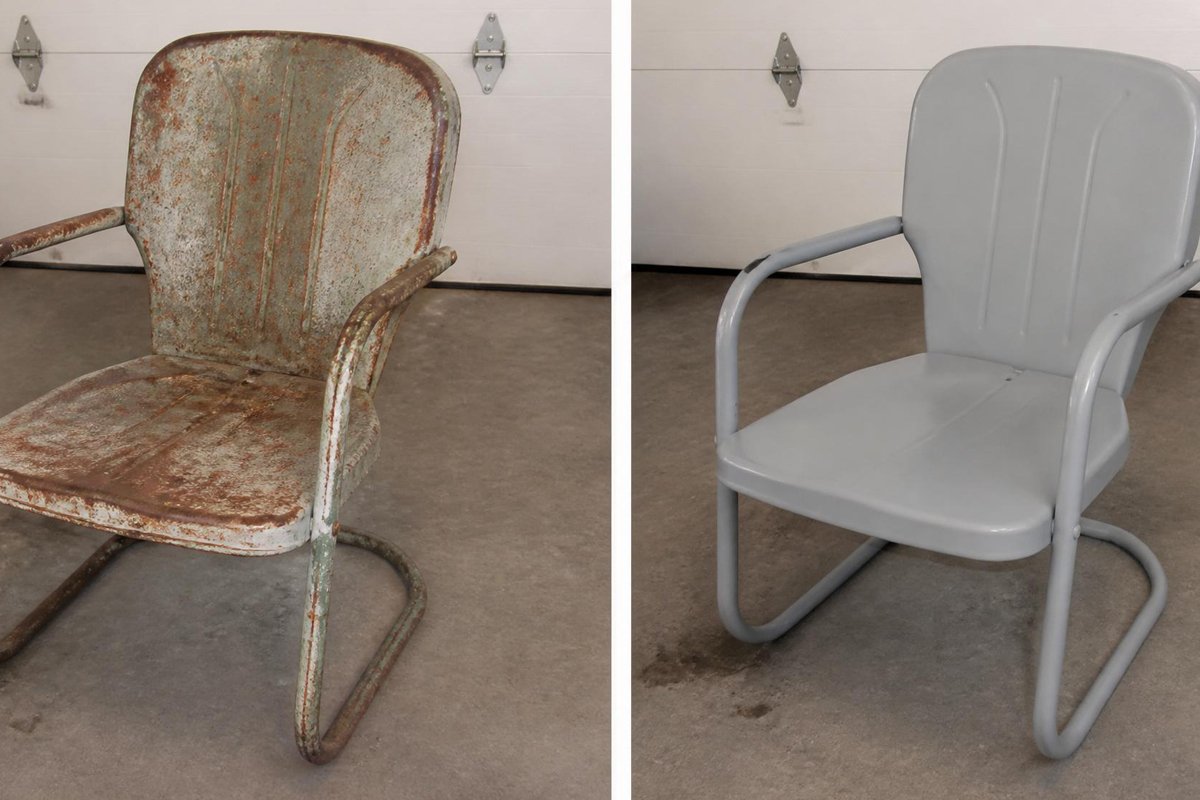
Bare metal is unforgiving — skip primer here and you’re almost guaranteed rust bleed-through within a season, especially outdoors. Start by removing any existing rust with sandpaper or a wire brush, then wipe the surface with a degreaser to remove oils, since paint and primer both fail on greasy metal. A rust-resistant oil-based primer, rather than a water-based one, is the safer choice, since water in latex-based primers can actually promote rust formation on bare steel and iron.
Apply primer in thin, even coats rather than one heavy pass — a single thick coat is more likely to run and takes far longer to cure fully.
Related Guides: → How to Spray Paint Aluminum → How to Spray Paint Stainless Steel → Metal Painting Guide
Plastic
Plastic’s biggest challenge is that it’s naturally non-porous, so standard primers simply sit on the surface instead of bonding to it. A dedicated plastic bonding primer — sometimes labeled “adhesion promoter” or “fusion” — is formulated with resins that chemically etch into the plastic surface rather than relying on texture alone.
Light scuff-sanding with fine-grit sandpaper (320–400 grit) and a wipe-down with isopropyl alcohol improves results even with a bonding-specific primer, though several modern formulas are marketed as no-sand options.
Related Guides: → How to Spray Paint Plastic → Best Spray Paint for Plastic
Wood
Bare or stained wood needs a primer that can seal the grain and block tannins or sap from bleeding through your topcoat — this is where a shellac-based or dedicated stain-blocking primer earns its keep, especially over knots and water stains. For previously painted wood in decent condition, a standard multi-surface primer is usually enough.
Always sand raw wood lightly before priming, and wipe away dust completely — dust trapped under primer creates a gritty, uneven topcoat.
Related Guides: → How to Spray Paint Wood Furniture → Cabinet Painting Guide
How to Apply Spray Primer Correctly
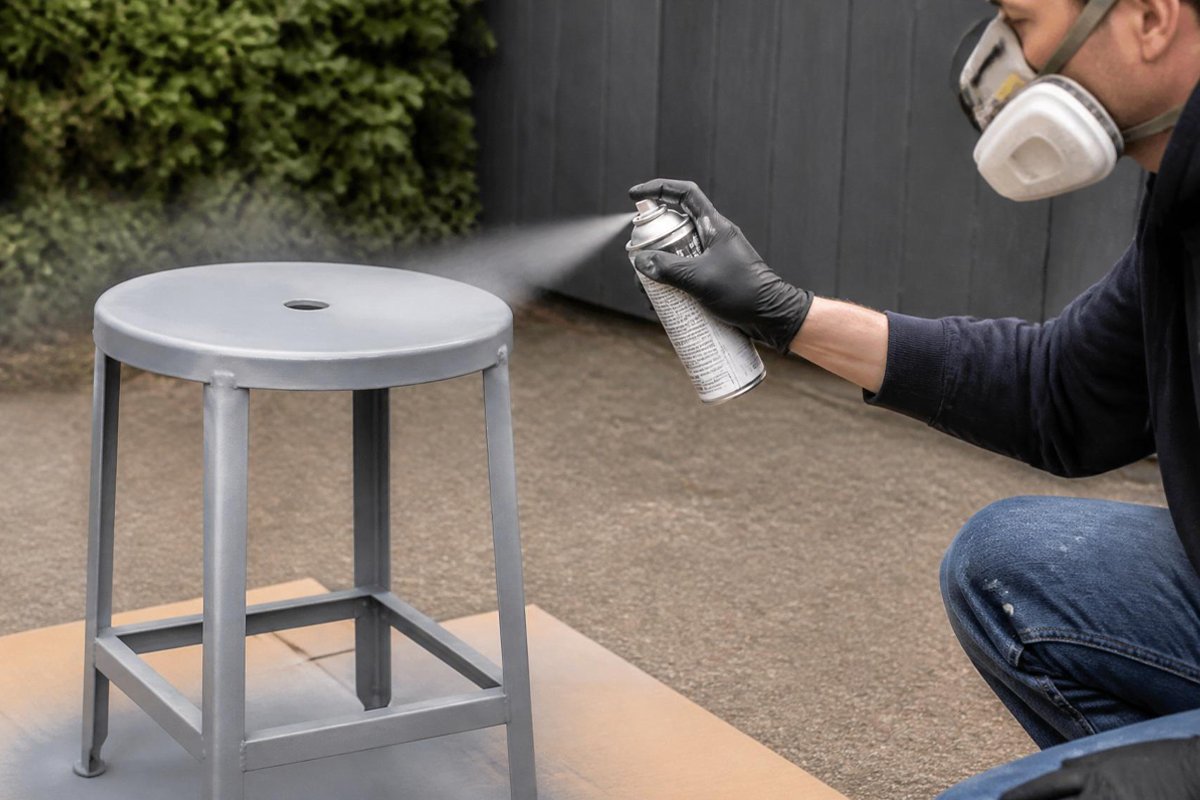
For safety guidance while spraying indoors or in a garage, the CPSC’s aerosol product safety guidelines are a useful reference on ventilation and storage.
Step 1: Prepare the Surface
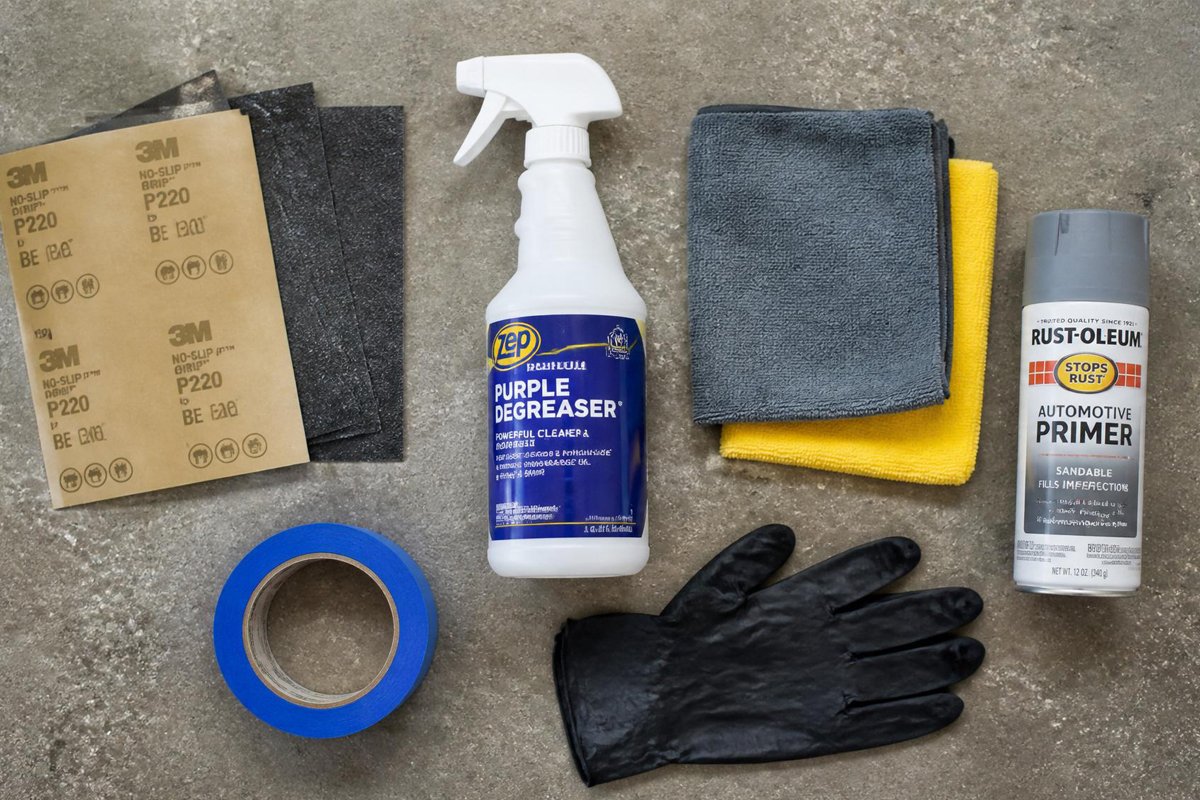
Remove any loose paint, rust, or debris. Sand glossy or uneven areas so the primer has something to grip. See our spray paint preparation guide for a full surface-by-surface breakdown.
Step 2: Clean the Surface
Wipe down with a degreaser (for metal) or isopropyl alcohol (for plastic) to remove oils and dust. Let it dry fully — primer applied over a damp or oily surface won’t bond properly.
Step 3: Apply the First Coat
Hold the can 10–12 inches from the surface and use steady, overlapping side-to-side passes. Keep the can moving constantly to avoid drips or a heavy buildup in one spot.
Step 4: Drying Time
Follow the can’s stated dry-to-touch time before adding a second coat or moving the piece — this varies from 10 minutes for fast-dry acrylics to an hour or more for oil-based and stain-blocking formulas.
Step 5: Final Finish
Once fully cured, lightly scuff-sand the primer with fine-grit sandpaper if the can allows it — this smooths out texture and gives your topcoat a cleaner surface to bond to. Wipe away sanding dust before applying color.
Common Mistakes
Mistake 1: Wrong Product Selection
Using a general-purpose primer on a surface that needs a specialist — bare rusted metal without rust protection, or glossy plastic without a bonding formula — is the single most common cause of early paint failure. Match the primer to the surface first, then pick a brand. See our choosing spray paint guide for more on matching products to materials.
Mistake 2: Poor Preparation
Skipping degreasing or sanding because “the primer says no prep needed” is a common shortcut that backfires on heavily soiled or very glossy surfaces. Most manufacturer claims of “no sanding required” assume a reasonably clean starting surface. If paint isn’t sticking despite using primer, see our spray paint not sticking fix.
Mistake 3: Applying Too Much
Heavy, wet coats look like they’re saving time but almost always cause drips, bubbling, or wrinkling as the primer struggles to dry evenly. Thin, multiple coats consistently outperform one thick coat. If this has already happened, check our spray paint bubbling fix and spray paint wrinkling fix guides.
Professional Tips for Better Results
Tip 1: Shake longer than you think you need to. Most cans recommend at least one to two minutes of shaking after the mixing ball starts rattling. Under-shaken primer separates and sprays inconsistently, leading to patchy coverage.
Tip 2: Test on a hidden area first. Primer-to-topcoat compatibility (oil vs. water-based) can cause unexpected reactions like wrinkling. A small test patch on an inconspicuous spot saves an entire project.
Tip 3: Control your environment. Spray in temperatures between roughly 50–90°F with low humidity when possible. Cold slows curing significantly, and high humidity can cause a cloudy or uneven finish, especially with fast-drying acrylics.
Frequently Asked Questions
Do I always need primer before spray painting? Not always. Many modern “paint and primer in one” spray paints work for quick touch-ups or repainting in a similar color. But bare metal, bare wood, plastic, or any major color change (light to dark or vice versa) benefits significantly from a separate primer coat.
Can I use a metal primer on wood? It’s generally not recommended. Metal primers aren’t formulated to seal wood pores or block tannin stains, so you may still get bleed-through or poor adhesion.
How many coats of primer do I need? Usually one to two light, even coats. Very dark, porous, or heavily stained surfaces may need a second coat after light sanding.
How long should I wait before painting over primer? Check the can, but most modern spray primers are dry to the touch within 10–30 minutes. It’s best to wait closer to an hour, or until fully dry, before applying a topcoat.
What causes bleed-through even after priming? Bleed-through happens when oils, tannins, or old stains in the substrate seep through the new coat. A stain-blocking or shellac-based primer is specifically designed to prevent this.
Is oil-based or water-based primer better? It depends on the surface. Oil-based primers generally offer stronger rust resistance and stain-blocking, while water-based primers have lower odor and easier cleanup — better suited for general indoor wood and drywall work.
Can I skip sanding if the primer says “no sanding required”? Light scuff-sanding still improves adhesion even on no-sand formulas, especially on very glossy or heavily worn surfaces. It’s optional, not harmful.
Does primer color matter? Yes — a primer close in tone to your final color (gray under dark colors, white under light colors) reduces the number of topcoat layers needed for full, even coverage.
Can I use spray primer indoors? Yes, but ventilation matters, especially with oil-based formulas. Water-based, low-odor primers are generally more comfortable for enclosed spaces.
What’s the difference between primer and a rust converter? A primer creates an adhesion layer on top of a prepared surface. A rust converter chemically transforms existing rust into a stable, paintable surface — it’s a pre-primer step for heavily rusted metal, not a substitute for primer itself.
Final Thoughts
Primer is the least glamorous step in any spray paint project, and it’s also the one most likely to make or break the final result. For general household and craft projects, an all-purpose primer like Rust-Oleum’s Painter’s Touch 2X Ultra Cover is the reliable, budget-friendly choice. For anything metal and outdoor-facing, the dedicated rust protection in Rust-Oleum’s Clean Metal Primer is worth the narrower color range. Crafters and mixed-material projects benefit most from Krylon COLORmaxx’s speed and versatility, while automotive-grade smoothness calls for a sandable primer like Rust-Oleum’s Automotive line. And if staining or discoloration is the real problem, Zinsser Bulls Eye 1-2-3 handles that better than any general-purpose option.
Best overall: Rust-Oleum Painter’s Touch 2X Ultra Cover Primer Best budget: Rust-Oleum Clean Metal Primer Best premium/specialist: Rust-Oleum Automotive Sandable Primer Best for beginners: Krylon COLORmaxx Primer
Whatever surface you’re working with, matching primer type to material — and giving it proper prep and dry time — matters more than any single brand choice.
Related Guides: → Best Spray Paint for Outdoor Furniture → How to Remove Spray Paint → Spray Paint Preparation Guide
Author: Rodney Shiner | Spray Painter Guide Last Updated: July 2026