
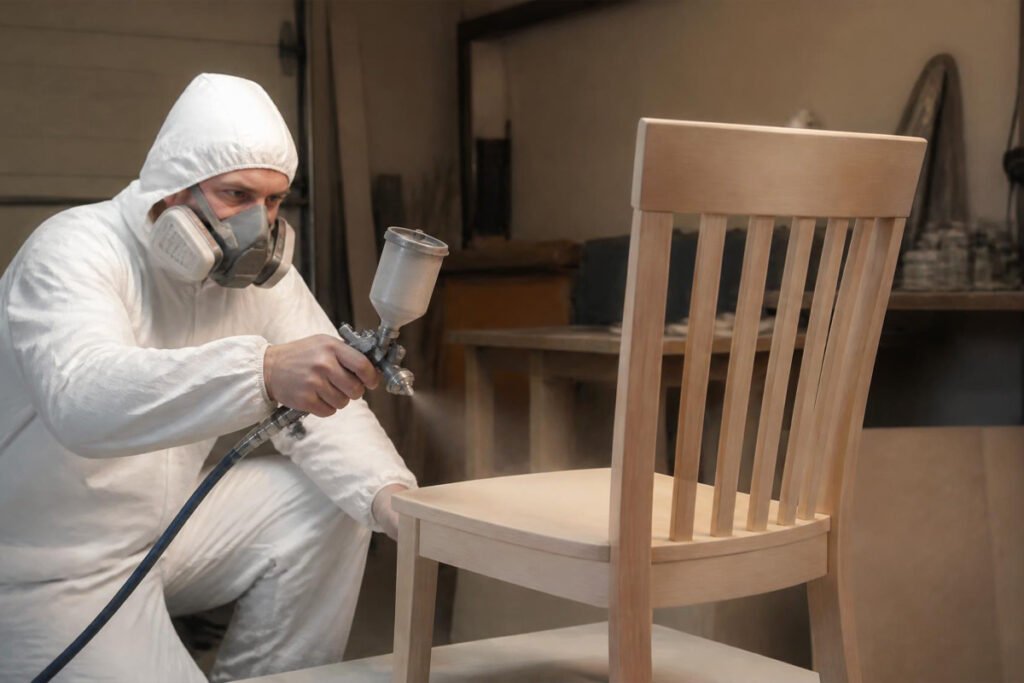
Most home spray painters get the respirator right and stop there — but overspray doesn’t just settle in your lungs, it settles on your clothes, your skin, and your hair. Solvent-based paints and clear coats can irritate skin on contact, and anyone who’s tried to scrub dried enamel off their arms knows the real cost of skipping a suit. If you’ve already sorted your respirator or mask, a coverall is the next piece of PPE worth getting right, and it’s one of the cheapest.
The problem is that “coverall” covers a huge range of products — from $1 paper-thin suits that tear the first time you crouch, to $30 reusable suits built for daily shop use. Buy too cheap and you’ll be picking lint out of your finish or re-taping a torn sleeve mid-job. Buy more suit than you need and you’re wasting money on features a once-a-month hobbyist will never use. This guide breaks down five real, current products so you can match the suit to how often you actually spray.
Quick Answer
For most home spray painters, the DuPont Tyvek 400 is the best all-around pick — durable enough for a full project, breathable enough to wear for hours, and cheap enough to treat as disposable. If you’re spraying in a hot garage or for long sessions, the 3M 4515’s more breathable SMS fabric is worth the small upcharge. Anyone spraying weekly or running a small side business should skip disposables entirely and get a Trimaco SuperTuff reusable suit — it pays for itself within a handful of uses. For waterborne paints and wetter spray environments, the KleenGuard A40 has the best liquid resistance. And if you just need basic protection for one occasional project, the West Chester bulk poly coveralls are the cheapest way to not ruin your clothes.
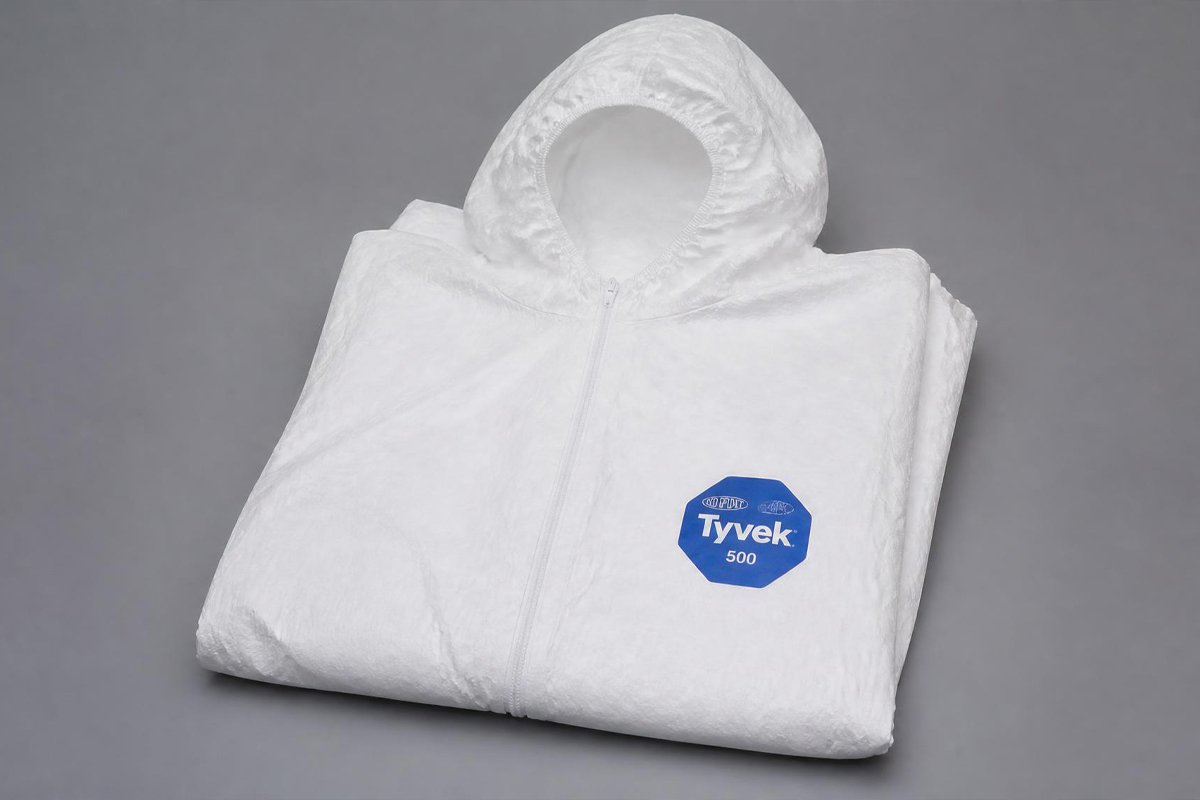
Table of Contents
- What Do Spray Paint Coveralls Actually Protect Against?
- How to Choose the Right Coverall
- 5 Best Spray Paint Coveralls Reviewed
- Comparison Table
- Best Coverall for Different Situations
- How to Wear and Dispose of a Spray Suit Correctly
- Common Mistakes
- Expert Tips
- Final Verdict
- Frequently Asked Questions
What Do Spray Paint Coveralls Actually Protect Against?
A spray paint coverall is a barrier garment worn over your regular clothes to stop wet overspray and airborne particulate from reaching your skin and street clothes. Fabric matters more than most buyers expect: flashspun olefin (Tyvek) and SMS (spunbond-meltblown-spunbond) fabrics block fine particles while staying breathable, while cheaper polypropylene shells are more of a dust barrier than a true liquid barrier. None of these suits replace a respirator — they protect skin and clothing, not your lungs, so the two are meant to be worn together, not as substitutes for each other.
How to Choose the Right Coverall
Ask yourself three questions before buying:
- How often do I spray? A once-a-year hobbyist is well served by a $5–$10 disposable suit; anyone spraying weekly should do the math on a reusable suit instead.
- Am I spraying solvent-based paint, waterborne paint, or both? Waterborne and other wet-spray processes need a suit rated for liquid resistance, not just dust — check for a microporous or laminated fabric, not plain spunbond polypropylene.
- How long will I be wearing it? A thin suit that’s fine for a 20-minute touch-up job becomes uncomfortably hot and prone to tearing over a multi-hour furniture or automotive respray.
5 Best Spray Paint Coveralls & Protective Suits
1. DuPont Tyvek 400 Coverall (TY127S) — Best Overall
Overview
Tyvek 400 is the industry-standard disposable coverall material, made from flashspun high-density polyethylene fibers. It’s the suit you’ll see on professional painters and remediation crews, and it’s become the default recommendation for home spray painters who want reliable protection without overpaying.
Key Features
- Flashspun HDPE fabric blocks fine dry particulate and light overspray
- Elastic hood, wrists, waist, and ankles for a secure seal
- Serged seams for durability during movement
- Sold individually or in multi-packs, sized S through 4XL
Best For
Most home spray painting projects — furniture, automotive panels, metal, general DIY
Pros
- ✅ Excellent particle barrier for the price
- ✅ Widely available and well-reviewed
- ✅ Comfortable enough for multi-hour sessions
Cons
- ❌ Not rated for heavy liquid saturation — a soaked cuff can wick through eventually
- ❌ Single-use only, so cost adds up if you spray very frequently
Price & Value — Will You Actually Gain From This Price?
At roughly $8–$12 per suit (cheaper in multi-packs of 10 or 25), this sits right in the sweet spot: durable enough to trust for a real project, cheap enough that tearing one doesn’t sting. Compared to ruining a $40 shirt with overspray, or dealing with itchy paint residue on skin, the suit pays for itself the first time you’d otherwise have skipped it. Buying the cheapest polypropylene suit instead to save $3–$4 usually costs more in torn suits and re-buys over a full project.
Our Verdict
The default pick for most buyers. Order one size up from your normal size — Tyvek suits run narrow, and a tight fit tears faster at the knees and elbows.
2. 3M 4515 Disposable Protective Coverall — Best Breathability
Overview
3M’s 4515 uses an SMS (spunbond-meltblown-spunbond) fabric instead of film-laminated olefin, trading a small amount of liquid resistance for noticeably better airflow. It’s the suit to reach for when heat, not liquid exposure, is the bigger problem.
Key Features
- SMS fabric breathes significantly better than film-laminate suits
- Low-profile hood designed to fit under a respirator or spray hood without bunching
- Elastic wrists and ankles, available in white and blue
- Lighter weight than Tyvek, reducing heat buildup
Best For
Summer garage spraying, long sessions, anyone who overheats easily in PPE
Pros
- ✅ Most comfortable disposable suit in this lineup for hot conditions
- ✅ Low-profile hood plays well with respirators and full-face masks
- ✅ Good particle protection despite the lighter fabric
Cons
- ❌ Slightly less liquid resistance than Tyvek or KleenGuard for wetter spray processes
- ❌ A little pricier than plain Tyvek in equivalent multi-packs
Price & Value — Will You Actually Gain From This Price?
Priced around $9–$14 per suit, this costs a little more than standard Tyvek, and the value case is specific: if heat exhaustion or constantly stopping to cool off is actually cutting your working time short, the extra couple of dollars per suit buys back real working minutes. For a cool garage or short sessions, the upcharge doesn’t buy you much — standard Tyvek does the same job for less.
Our Verdict
Worth the small premium specifically for comfort in hot conditions. Skip it if you’re spraying somewhere cool or for short sessions — you won’t notice the breathability difference enough to justify the cost.
3. Trimaco SuperTuff Reusable Spray Suit — Best for Frequent Use
Overview
Trimaco’s SuperTuff line breaks from the disposable format entirely: a washable, anti-static polyester suit built to survive dozens of spray sessions and machine washes rather than one job.
Key Features
- 100% polyester shell rated for repeated machine washing
- Anti-static finish, useful when working near electronics or with static-prone finishes
- Reinforced stitching at stress points (knees, elbows, shoulders)
- Available in multiple sizes with a roomier cut for layering over work clothes
Best For
Anyone spraying weekly or running a small refinishing/detailing side business
Pros
- ✅ Pays for itself quickly if you spray regularly — no per-job suit cost
- ✅ More durable at pressure points than any disposable in this lineup
- ✅ Anti-static property is a genuine plus for certain finishes and environments
Cons
- ❌ Highest upfront cost of any product on this list
- ❌ Needs to be laundered between uses, which disposables don’t require
- ❌ Overkill for someone who sprays once or twice a year
Price & Value — Will You Actually Gain From This Price?
At $25–$35, this costs roughly 3x a single disposable suit — but the comparison that matters isn’t one suit, it’s a year of suits. Someone spraying weekly would burn through 50+ disposable suits a year at $8–$12 each ($400–$600), while one SuperTuff suit plus regular washing covers the same year for a fraction of that. For occasional use, that math doesn’t work in the suit’s favor — you’d be paying $30 for a suit that sits in a drawer most of the year.
Our Verdict
The clear best-value pick for frequent spraying, and a poor value pick for occasional use. Buy this based on how often you’ll actually use it, not how nice the fabric sounds.
4. KleenGuard A40 Liquid & Particle Protection Coverall — Best for Wet Spraying
Overview
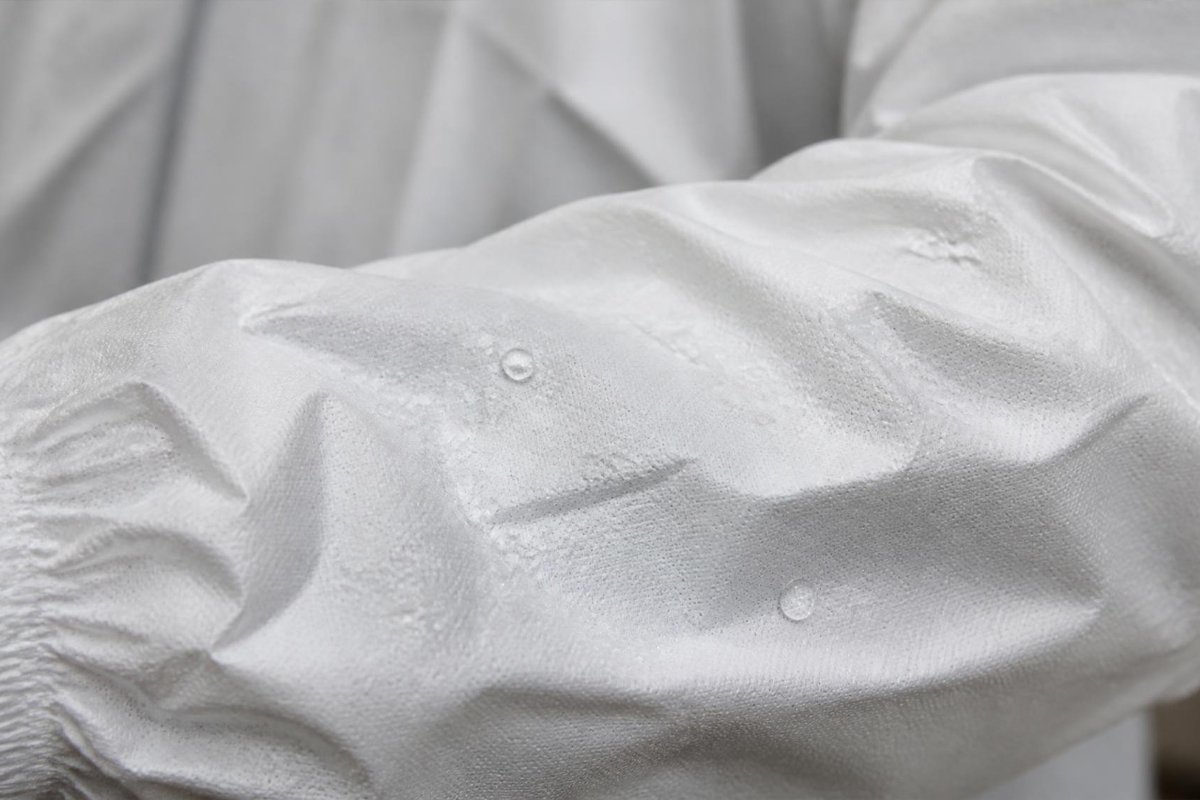
KleenGuard’s A40 line uses a microporous film-laminate fabric specifically engineered for liquid splash resistance, making it the strongest choice on this list for waterborne paints, wet sanding runoff, or any process where the suit will actually get wet rather than just dusty.
Key Features
- Microporous film laminate resists liquid penetration better than SMS or plain spunbond fabrics
- Serged and bound seam options available depending on splash risk
- Elastic hood, wrists, and ankles for a sealed fit
- Widely used in industrial and lab settings, so quality control is consistent
Best For
Waterborne paint spraying, wet sanding, high-moisture environments
Pros
- ✅ Best liquid resistance of any suit on this list
- ✅ Reliable, consistent sizing and quality
- ✅ Reasonably breathable despite the liquid-resistant laminate
Cons
- ❌ Costs slightly more than basic Tyvek for a benefit most solvent-paint sprayers won’t need
- ❌ Less breathable than the 3M 4515 in hot conditions
Price & Value — Will You Actually Gain From This Price?
At $7–$11 per suit, this is priced close to standard Tyvek, which makes it an easy upgrade specifically for wet processes — you’re not paying much more for meaningfully better protection. For dry solvent spraying where nothing is actually wetting the suit through, though, the liquid-resistance benefit goes unused, and a standard Tyvek suit does the job for the same money with slightly better comfort.
Our Verdict
Worth choosing over standard Tyvek specifically for waterborne paint or wet-sanding work. For dry solvent spraying, it doesn’t offer enough extra value to be the default choice.
5. West Chester Protective Gear Polypropylene Coverall (Bulk Pack) — Best Budget
Overview
This is the entry-level option: a lightweight polypropylene shell sold in bulk packs, aimed at occasional use and light dust protection rather than serious spray work.
Key Features
- Lightweight polypropylene shell
- Sold in bulk packs (10–25 count), lowering per-suit cost
- Elastic wrists and ankles, basic hood
- Breathable and cool, good for hot weather light-duty work
Best For
Occasional light spraying, dusty prep work, tight budgets, one-off small projects
Pros
- ✅ Lowest per-suit cost of any product here, especially in bulk
- ✅ Breathable and comfortable for short jobs
- ✅ Fine for genuinely light-duty dust and light overspray protection
Cons
- ❌ Thinnest, least durable fabric on this list — tears easily at stress points
- ❌ Minimal liquid resistance, not suited to wet spraying or long sessions
Price & Value — Will You Actually Gain From This Price?
At $4–$7 per suit in a bulk pack, this is the cheapest option here by a clear margin, and for light, infrequent use that’s genuinely good value — you’re not overpaying for protection you don’t need. The risk is buying this for a real spray project: the thin shell tears easily, and a torn suit mid-job means stopping to change, which costs more in wasted time and paint than the few dollars saved would have been worth.
Our Verdict
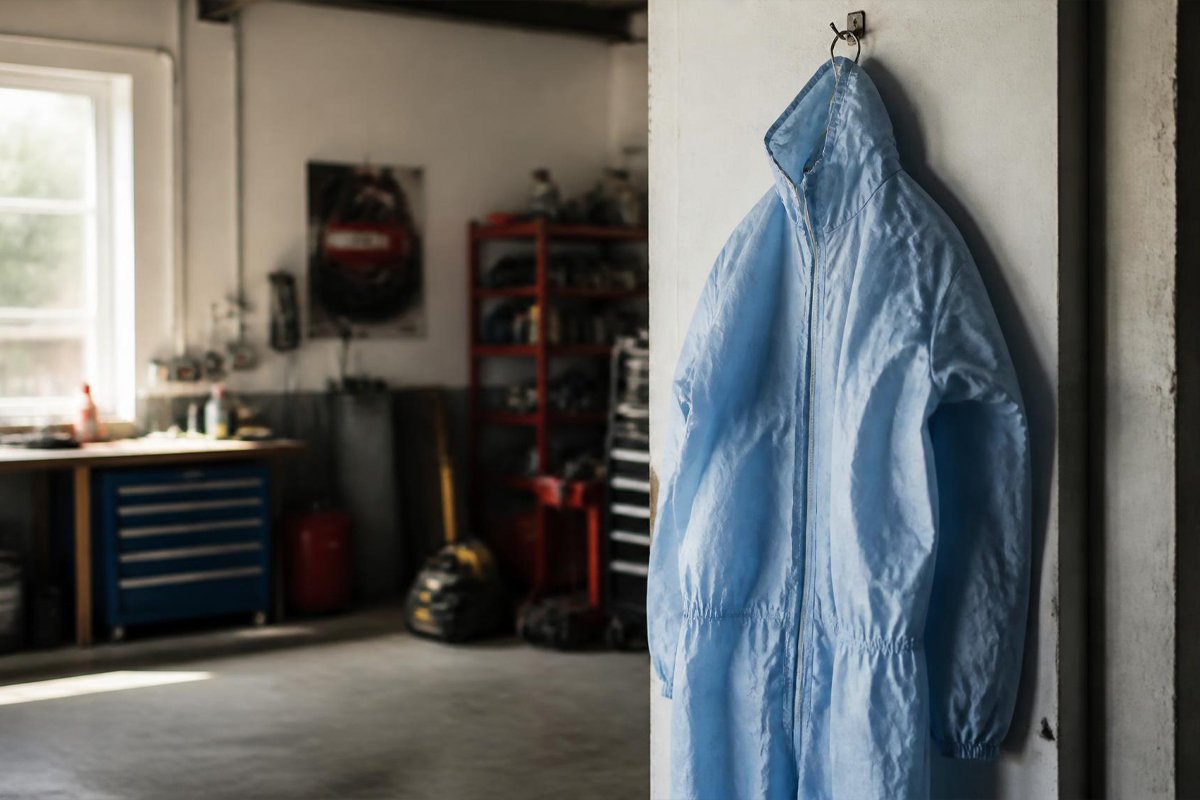
A reasonable budget pick for occasional light work, but a false economy for an actual spray painting project — spend the extra few dollars on Tyvek or KleenGuard once real spraying is involved.
Comparison Table
| Suit | Best For | Price Range | Material | Reusable? | Value Verdict |
| DuPont Tyvek 400 (TY127S) | All-around spray painting | $8–$12/suit | Flashspun HDPE olefin | No (single-use) | Best overall value |
| 3M 4515 Coverall | Long sessions, hot environments | $9–$14/suit | SMS breathable fabric | No (single-use) | Worth it for comfort |
| Trimaco SuperTuff Spray Suit | Frequent DIYers, weekly use | $25–$35/suit | 100% polyester, anti-static | Yes (washable) | Best long-run value |
| KleenGuard A40 | Wet spraying, waterborne paint | $7–$11/suit | Microporous film laminate | No (single-use) | Best for splash protection |
| West Chester Poly Coverall (bulk pack) | Occasional/light use, tight budget | $4–$7/suit (bulk) | Polypropylene | No (single-use) | Cheapest per-use, thinnest barrier |
Best Coverall for Different Situations
Solvent-Based Spray Paint (Most Home Projects)
The DuPont Tyvek 400 is the right default — it’s built for exactly this kind of dry-to-light-mist overspray and is the most widely tested option here.
Waterborne Paint or Wet Sanding
Go with the KleenGuard A40. The microporous laminate actually resists liquid rather than just slowing it down, which matters once the suit is getting genuinely wet rather than lightly misted.
Weekly or Professional-Frequency Spraying
Skip disposables and buy the Trimaco SuperTuff. If you’re also working in an enclosed space regularly, pair it with a proper spray booth ventilation fan — a reusable suit and a stagnant, fume-heavy garage are a bad combination.
How to Wear and Dispose of a Spray Suit Correctly
Step 1: Size Up, Not Down
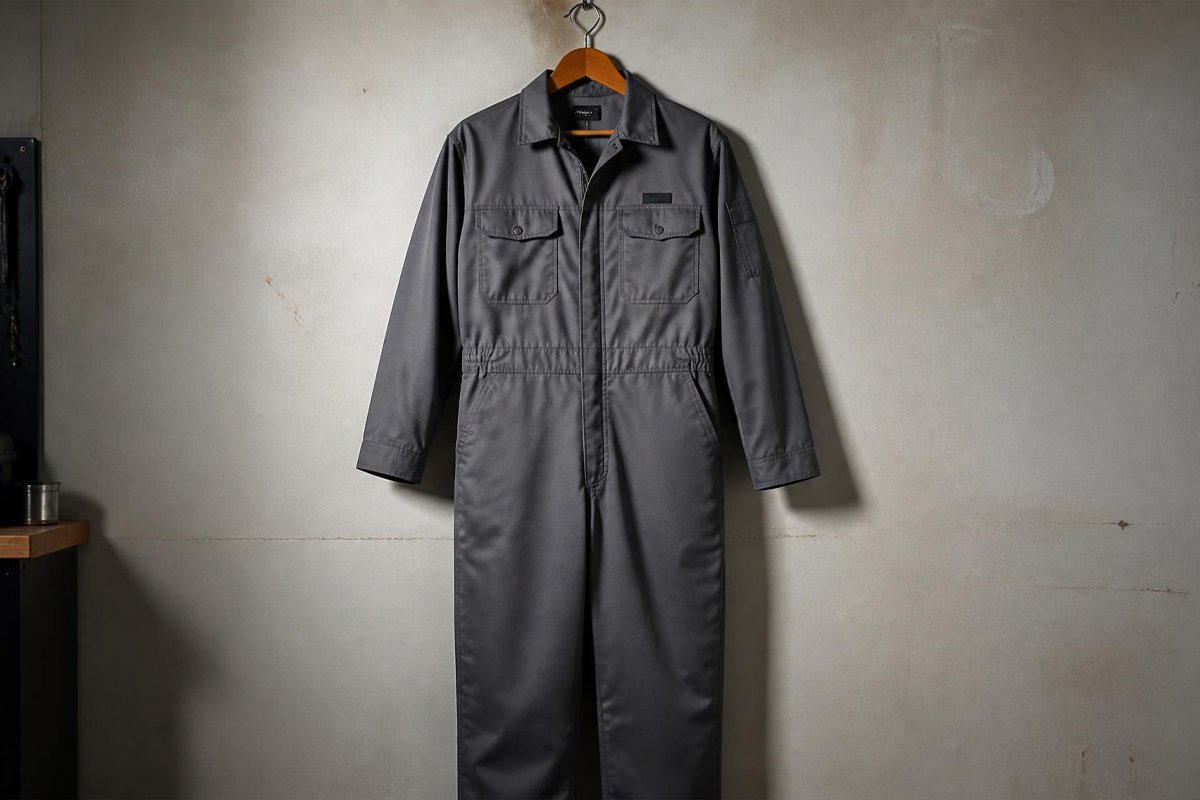
Most disposable coveralls run narrow. Order one size larger than your normal clothing size to avoid stress-point tearing at the knees, elbows, and shoulders.
Step 2: Seal the Openings
Cinch the hood, wrists, and ankles snugly, and if you’re also using masking tape for the project, a small wrap of tape around the wrist and ankle cuffs stops overspray from creeping up a sleeve during long sessions.
Step 3: Pair With a Respirator, Not Instead Of One
A coverall protects skin and clothes; it does nothing for your lungs. Always wear it alongside proper respiratory protection, not as a substitute.
Step 4: Remove Carefully
Peel a contaminated suit inside-out as you remove it, rolling the exterior surface inward so wet paint doesn’t transfer to skin or clothing during removal.
Step 5: Dispose of or Launder Properly
Disposable suits soaked in solvent-based paint should be treated as the same category of waste as paint rags — check our spray paint storage and disposal guide for local disposal rules. Reusable suits should be laundered separately from regular clothing.
Common Mistakes
- Buying the wrong size: a too-tight suit restricts movement and tears fast; a too-loose suit bunches at the elbows and knees and catches on tools or ladders.
- Reusing a disposable suit to save money: once a disposable suit is saturated or torn, its barrier protection is compromised — reusing it defeats the purpose entirely.
Expert Tips
- Keep a spare suit in your kit even if you only spray occasionally — a torn suit mid-project with no backup means either stopping the job or finishing unprotected.
- For automotive work, a suit with attached boot covers or elastic ankles paired with dedicated shoe covers keeps overspray from tracking onto shop floors and carpets.
- If you’re working around others while spraying, pair your coverall setup with our guide on spray painting around kids and pets — overspray drift matters as much for their exposure as your own.
Final Verdict
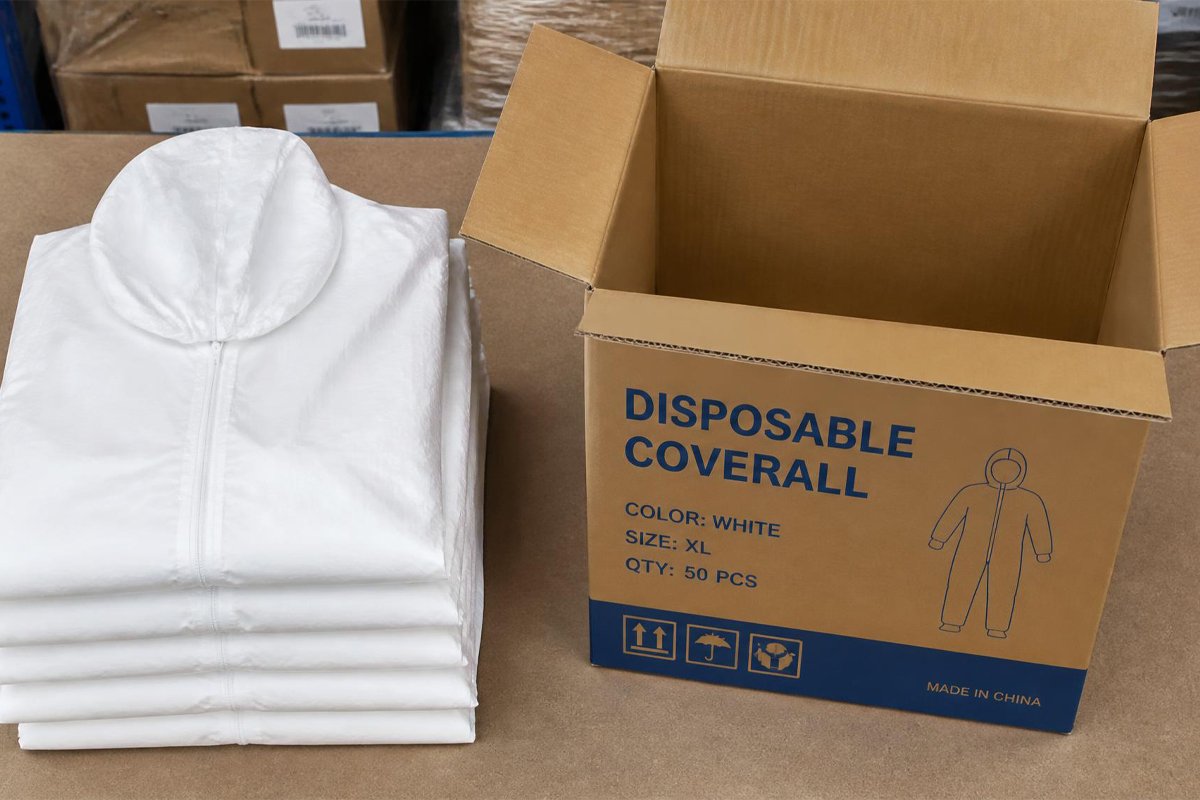
Best Overall: DuPont Tyvek 400 (TY127S) — the safest default for most home spray painting projects.
Best Budget: West Chester Bulk Poly Coveralls — fine for light, occasional use only.
Best for Frequent Spraying: Trimaco SuperTuff Reusable Suit — pays for itself fast if you spray weekly.
Whichever suit you choose, it’s one piece of a full safety setup, not the whole thing. Pair it with the right respirator, proper ventilation, and correct paint storage and disposal habits for a genuinely safe home spray setup.
Frequently Asked Questions
Do I really need a coverall if I’m only spray painting for 10 minutes?
For a very short touch-up, old clothes you don’t mind ruining can be enough. Anything longer, or anything involving a full can or bottle of paint, is worth suiting up for — overspray drifts further than most people expect.
Can I reuse a disposable spray suit?
Technically yes for very light, dry use if it isn’t torn or saturated, but once paint has soaked into the fabric, its barrier protection is compromised. For anything beyond a quick once-over, treat disposables as single-use.
Do spray paint coveralls protect against paint fumes?
No. Coveralls protect skin and clothing from contact with wet paint and overspray particles; they do nothing for inhaled fumes or VOCs. Respiratory protection is a separate, required piece of PPE.
What size coverall should I buy?
Most disposable coveralls run narrow compared to standard clothing sizes. Sizing up one size from your normal fit is the most common recommendation to avoid tearing during movement.
Are cheap polypropylene coveralls safe for spray painting?
They’re safe for light, occasional dust and light-mist protection, but they tear more easily and offer less liquid resistance than Tyvek, SMS, or microporous laminate suits — not ideal for a full spray project.
How do I dispose of a paint-soaked coverall?
Treat it the same way you’d treat solvent-soaked rags — most areas require these to dry out fully before disposal or to go through hazardous waste collection rather than regular trash. See our storage and disposal guide for specifics.