
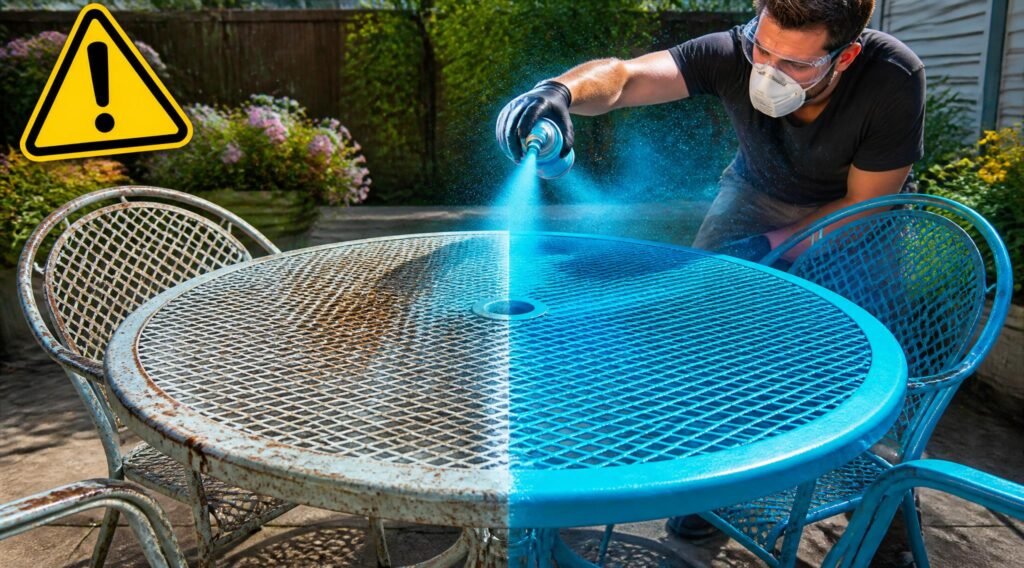
Outdoor spray painting presents unique challenges that indoor projects don’t. Wind, humidity, temperature swings, UV exposure, and rain — all of these work against you. But outdoor spray painting also has enormous advantages: natural ventilation, plenty of room to work, and no worries about overspray on indoor surfaces.
This guide covers everything you need to know to spray paint outdoors and get a finish that not only looks great but actually lasts through the elements.
Choosing the Right Day to Paint
The single biggest factor in outdoor spray painting success is choosing the right conditions. The perfect day for outdoor spray painting has:
- Temperature between 65°F and 85°F (18°C–29°C) — optimal range for most spray paints
- Relative humidity below 65% — high humidity causes bubbling, blushing, and extended drying times
- Light wind — just enough to carry overspray away, not so much that it blows debris into your paint or dries the paint before it can level
- Overcast sky or shaded area — direct sunlight heats the surface and causes paint to dry too fast, leading to orange peel texture
Check weather apps for humidity readings — many display current relative humidity. Avoid painting if rain is forecast within 24 hours; even dried spray paint on an outdoor surface can blush or bloom if rained on before it’s fully cured.
Managing Wind
Wind is the biggest practical challenge of outdoor spray painting. Even a light breeze can blow dust and debris into wet paint, cause uneven drying, and carry overspray onto nearby surfaces and vehicles.
Strategies for managing wind:
- Paint in the morning — mornings tend to be calmer than afternoons
- Set up a wind break — use an open garage, a temporary shelter, or position a vehicle to block the prevailing breeze
- Use a spray tent — a collapsible spray shelter blocks wind and contains overspray
- Time your strokes with wind gusts — wait for a calm moment before each pass if gusts are intermittent
Preparing Outdoor Surfaces
Outdoor surfaces are usually in worse shape than indoor ones — exposed to UV, moisture, and mechanical wear. Preparation is even more important for outdoor projects because any adhesion failure is dramatically accelerated by weather.
Cleaning
Start with a thorough wash using a stiff brush and soapy water or a pressure washer for large surfaces. Remove all mold, mildew, algae, and chalky old paint. For metal, degrease with a solvent cleaner. For wood, a deck cleaner or TSP solution removes weathered surface wood and opens the grain for better paint penetration.
Rust Removal (Metal)
Treat any rust before painting. Sand to bare metal, apply rust converter for deep rust, and prime within a few hours of bare metal exposure to prevent flash rusting. See our complete guide on
Sanding and Priming
Sand all surfaces to create mechanical adhesion for the primer. Use exterior-rated primer — it’s formulated to bridge the surface and provide a weather-resistant foundation. Allow primer to cure fully before applying color.
Choosing Exterior-Rated Spray Paint
Not all spray paint is created equal for outdoor use. Standard craft or decorative spray paint will fade, peel, and chalk when exposed to UV and weather. Always check the label for ‘exterior’ or ‘outdoor’ rating.
Key features to look for in outdoor spray paint:
- UV protection — prevents color fading from sun exposure
- Rust inhibitors — essential for metal surfaces
- Mildew resistance — important in humid climates
- Flexibility — for surfaces that expand and contract with temperature changes (wood fences, plastic furniture)
- Water resistance — for any surface exposed to rain
For a detailed comparison of paint types for outdoor surfaces, see our post on
Application Tips for Outdoor Spray Painting
Work in the Shade
Set up your work in shade if at all possible. Direct sun on the surface causes paint to skin over before it can level, resulting in a rough, orange-peel texture. If shade isn’t available, paint early morning before the sun gets intense, or late afternoon as it’s dropping.
Keep the Can Warm
Cold spray paint cans have lower pressure and produce a coarser spray pattern. If you’re working in cool weather, keep spare cans in a warm space (inside the house or a cooler with warm water at 70–80°F) and rotate them during use.
Adjust for Humidity
High humidity slows drying dramatically. In humid conditions, extend the time between coats beyond what the label recommends, or paint will stay tacky and trap airborne particles.
Protect Surrounding Areas
Overspray on a calm day can travel 5–10 feet from the spray can; on a breezy day it can go much further. Lay drop cloths generously around your work area. Be particularly careful near vehicles, as spray paint is difficult to remove from automotive finishes.
Best Outdoor Projects for Spray Paint
- Garden furniture (metal, wood, plastic, wicker)
- Fences and gates
- Shutters and window frames
- Mailboxes
- Garden pots and planters
- Outdoor sculptures and art
- Grills and fire pits (use high-heat rated spray paint)
- Play equipment
- Bike frames
- Outdoor lighting fixtures
Making Your Outdoor Finish Last
Even the best exterior spray paint benefits from a protective topcoat. For maximum durability:
- Apply a UV-resistant clear coat over your color coat
- Reapply a clear sealer every 1–2 years on high-exposure surfaces
- For metal, touch up any chips immediately to prevent rust
- Keep outdoor furniture under cover when not in use — a cover dramatically extends paint life
Proper prep is the foundation. If paint is failing on an outdoor surface, it’s almost always a prep or product-compatibility issue. Our guide on
Seasonal Considerations
Summer
High temperatures can cause paint to dry too fast. Work early morning or late afternoon. Avoid surfaces in direct sun.
Spring and Fall
Often the ideal painting conditions — moderate temperatures and lower humidity. Watch for temperature drops at night, which can affect curing.
Winter
Most spray paint won’t apply or adhere properly below 50°F (10°C). If you must paint in cold weather, warm the object indoors first and work quickly. Bring the painted piece inside to cure if temperatures will drop overnight.
Final Thoughts
Outdoor spray painting is highly rewarding — fresh paint transforms tired, weathered surfaces and can add years of life to outdoor furniture and fixtures. Choose the right day, use exterior-rated products, and invest time in thorough surface preparation, and your results will last through seasons of weather.
For all your spray painting questions, explore our full range of guides at